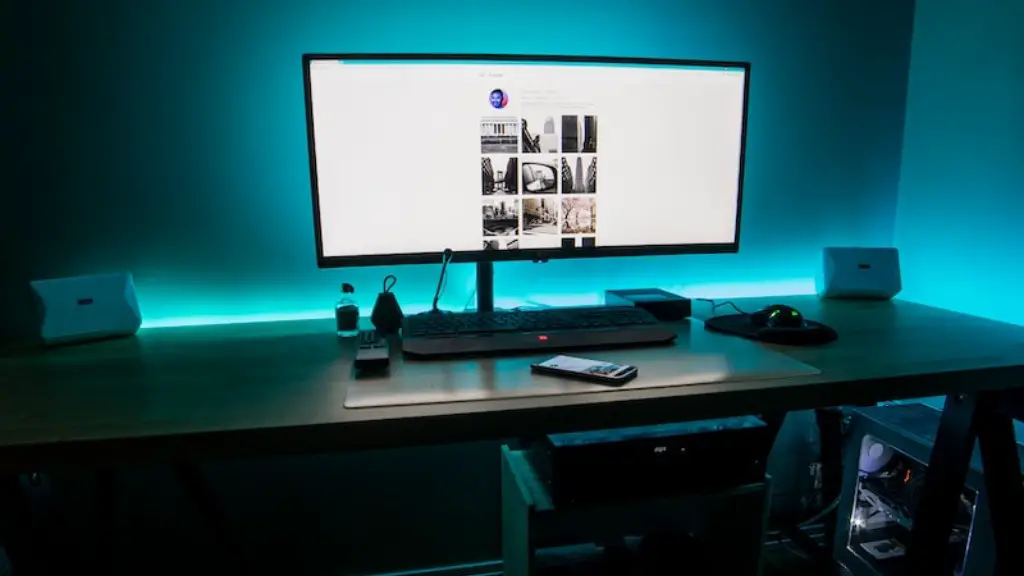
Gaming technology has advanced so much that a PC’s temperature is one of the most important factors when purchasing one. Its temperature affects performance, longevity, and other vital components. So what is the average temperature of a gaming PC?
When it comes to the PC’s temperature, the lower the better. This means that temperatures between 20°C and 25°C (68°F and 77°F) are ideal. Lower temperatures can also reduce the speed of processors, as some processes work better in cooler environments.
Of course, when it comes to gaming, PCs can generate a lot of heat. High end GPUs and CPUs may run anywhere from 75°C to 85°C (167°F to 185°F). This is normal for these components, as long as you keep an eye on temperatures and regularly clean your PC to prevent them from getting too high.
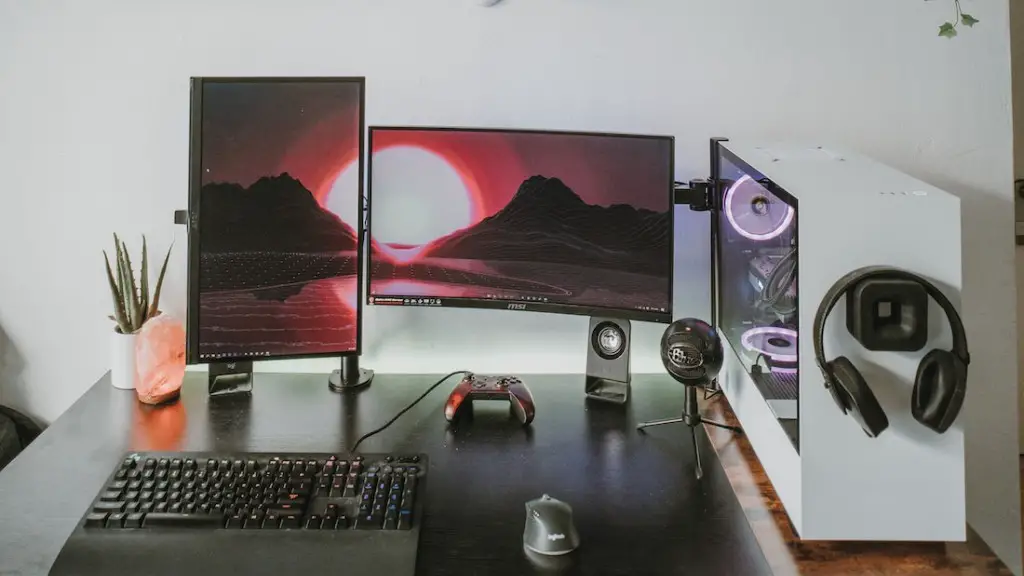
It’s worth noting that the ambient room temperature is also important. If your room is too warm, your PC can’t cool itself as efficiently. An air conditioner or fan can help keep your gaming PC at an optimum temperature.
The average gaming PC can also be affected by dust build-up, blocked air vents, or poor airflow. This can cause temperatures to spike to very high levels. You should take steps to ensure your gaming PC’s cooling system is working properly and that it’s free of dust.
In order to maintain the average temperature of a gaming PC, you need to purchase components, such as a decent fan, with adequate cooling capabilities. You also need the right type of case. An ATX mid-tower case should be sufficient for most gamers, as it’s usually big enough to fit a good-sized fan.
The average temperature of a gaming PC is an important factor to consider when choosing one, as it’ll impact performance and lifespan. Keeping temperatures between 20°C and 25°C (68°F and 77°F) ensures that your rig can run at its peak performance. Some components, like the GPU and CPU, will run hotter, so keeping track of the temperature and making sure your PC is free of dust can help stave off overheating.
Type of PC Case and Cooling System

The type of case and cooling system you choose for your gaming PC will affect its average temperature. An ATX mid-tower case with effective airflow should be more than adequate for most gamers. This type of case is big enough to fit larger fans, which can help keep the components from getting too hot. It’s important to invest in a good quality cooling system, including fans and radiators, to help keep your gaming PC’s temperature at an optimal level.
When shopping for a fan, check for its noise rating. The quieter the fan is, the better as you can ensure that your PC is well ventilated without a lot of noise. Furthermore, look for fans that offer RPT (Rotation Per Minute) ratings. This helps to measure the speed of a fan, which can adjust the level of performance even when the PC is running at full speed.
Airflow optimization is also important when it comes to keeping the temperature of your gaming PC at an optimal level. Make sure that there are no barriers between components that can block the air flow and cause heat to build up.To do this, make sure that your gaming PC is clean and dust-free. A simple laptop vaccuum cleaner can do wonders for extending the life of your gaming components.
You can also look into purchasing a water cooling system. This type of setup involves using liquid to absorb heat from the system, allowing CPU and GPU to maintain a more consistent and lower temperature. Although more expensive than a fan-based system, liquid cooling is an excellent way to keep your gaming PC running at its peak performance.
Finally, you can invest in fan controllers, which allow you to control the speed of your fans. This is especially useful during intense gaming sessions when the CPU and GPU are pushing the system to its limits. Fan controllers allow you to adjust the speed of the fans to keep temperatures at an optimal level.
Managing the Thermal Environment
As previously mentioned, maintaining the temperature of your gaming PC is a lot easier when your ambient room temperature stays consistent. Depending on where you live, your location may experience extreme temperature fluctuation during a single day. This can cause your gaming PC to run hotter than usual during the warmest parts of the day.
To counter this, you can invest in an air conditioner for your gaming room. This will keep the room temperature at a constant level and prevent your gaming PC from getting too hot. It should also be noted that air conditioners are also beneficial for cooling off components, as the cool air from the air conditioner can help keep the temperature inside your gaming PC’s case more consistent.
Proper ventilation is also essential when it comes to managing the thermal environment of your gaming PC. Make sure that there’s room for the hot air to escape from the cooling system. Ensure that the case of your PC has good airflow and that there’s no obstacle, such as a door or furniture, blocking the air vents. If possible, you should be able to feel a small breeze coming out of the case. This will ensure that the hot air is being pushed out and cooler air is being drawn in.
Finally, you can also opt for a liquid cooling system to help evenly distribute heat. As previously mentioned, this type of setup involves using liquid to absorb heat and can provide more consistent and lower temperatures, even during intense gaming sessions.
Thermoelectric Coolers
Thermoelectric coolers, also known as TECs, are another effective way to manage the thermal environment of your gaming PC. TECs monitor the temperature of components and adjust the speed of fans accordingly, preventing any unnecessary temperature fluctuations. This makes them much more efficient than traditional fans, as they can react to temperature changes much faster.
TECs work by absorbing heat from the system and transferring it outside, allowing the PC to remain cooler on the inside. This is especially beneficial during heavy gaming sessions, as it can help regulate temperatures and prevent them from spiking. TECs also require less power than traditional cooling systems, which means that there’s less of a burden on the system.
However, it’s worth noting that TECs are more expensive than traditional cooling systems. Furthermore, they can be more difficult to install, as there are more components to deal with. For those with some technical experience, however, they can be a great tool for keeping your gaming PC’s temperature in check.
Overclocking
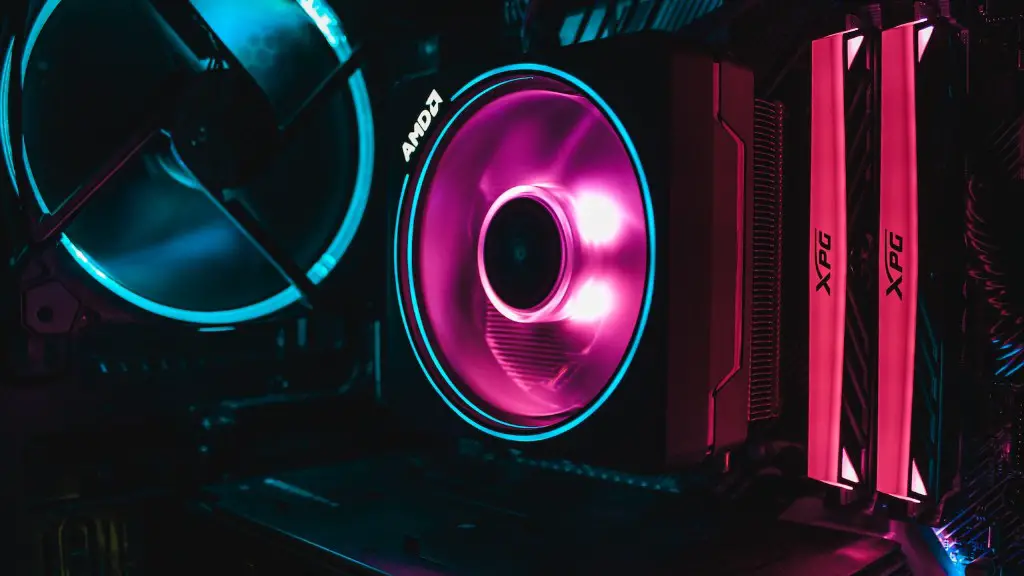
Another way to manage your gaming PC’s temperature is by overclocking. Overclocking is a process in which the CPU, GPU, and other components are boosted to run faster than their factory settings. This can increase performance, but it can also cause the temperature to spike.
Although overclocking can be beneficial in some cases, it’s important to be aware of the risks. A processor that is running too hot can cause irreparable damage, so it’s best to keep an eye on temperatures and prevent them from climbing too high. The best way to do this is by investing in more effective cooling solutions, such as liquid cooling systems and thermoelectric coolers.
It should also be noted that overclocking can have a negative effect on battery life, as running your gaming PC at higher speeds can drain power faster. This means that you’ll need to invest in an additional power source or replace your battery more frequently.
Finally, overclocking doesn’t always guarantee better performance. While it can help you squeeze out a little more power from your components, it can also cause instabilityif it’s not done correctly. It’s always best to test your settings before making any big changes to your gaming PC’s components.
