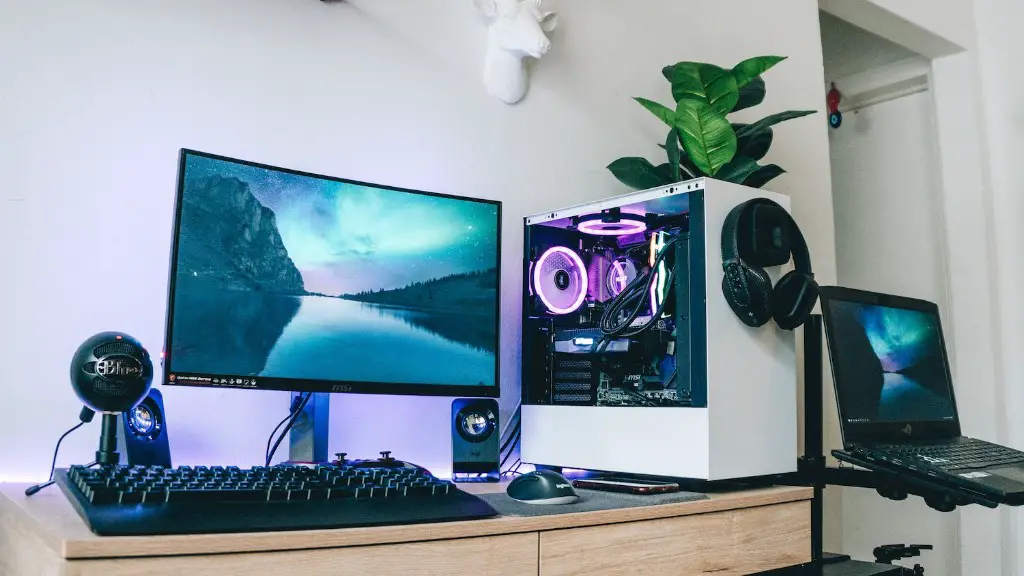
A gaming PC requires several components to run optimally. Firstly, a powerful processor is necessary, as it will ensure smooth game play. Additionally, a quality graphics card is essential to ensure the console can handle the latest games. A suitable motherboard will be needed to fit the graphics card, processor, and any additional components. Memory is also key, as it will increase speeds and prevent game crashing. Furthermore, a strong cooling system is necessary to prevent the components from overheating. Finally, a quality power supply will be needed to provide the necessary energy for the other components.
Graphic Card
A suitable graphics card is an essential requirement to build a gaming PC. Generally, if the game requires high-end graphics, then a powerful graphics card is necessary. Today, there are many different varieties available to choose from. When shopping for a graphics card, it is important to consider the type of games that needs to be played, the processor, and the other components in the system. Furthermore, the available space in the case should also be taken into account when selecting a card.
Processor
When building a gaming PC, it is important to select the best processor for the job. In choosing a processor, there are several things to consider. Firstly, the number of cores should be determined. Generally, more cores will mean better performance in multiple thread games. Secondly, the speed of the processor should be taken into account. Higher processor speeds will mean faster game framerates and better computing performance. Last but not least, the type of processor should be considered. Intel and AMD processors are commonly used, and the differences between them should be taken into consideration when making the purchase.
Motherboard
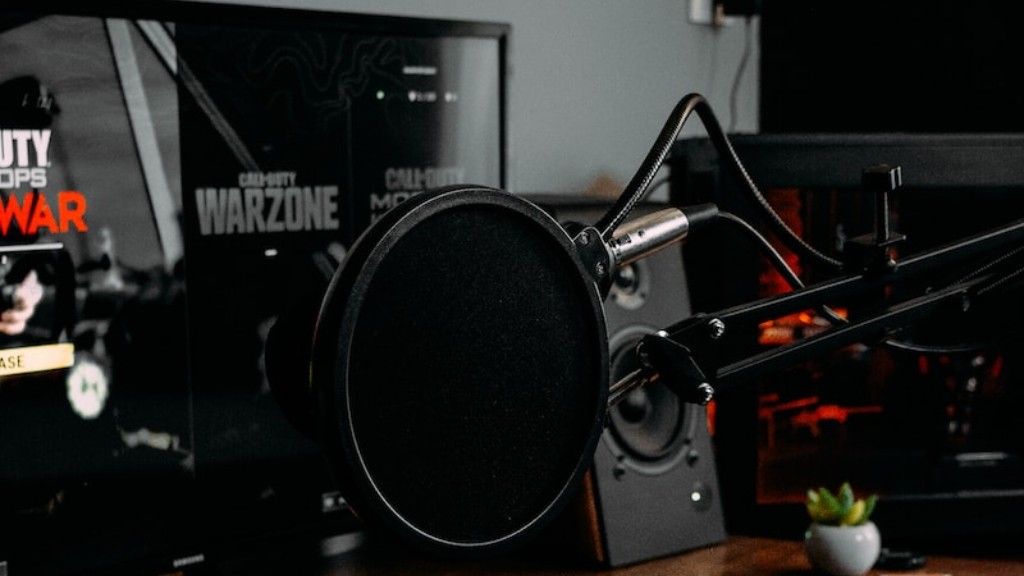
For a gaming PC, one also needs to select an appropriate motherboard. It should be compatible with the processor and the graphics card, and be able to deliver power to all components effectively. The motherboard should also include additional features, such as overclocking capabilities and additional ports. Furthermore, the size of the motherboard should also be taken into consideration, as it should fit into the existing PC case.
Memory
When building a gaming PC, memory is also very important. The amount of memory found in a system will depend on the type of games, as well as the other components. Generally, the more RAM, the better the performance. Additionally, using faster RAM, such as DDR4, will also increase performance, making it ideal for gaming PCs.
Cooling System
As the gaming PC will be using a lot of power, a suitable cooling system is necessary. The cooling system should be capable of handling the power of the graphics card and processor, as well as dissipating the heat from other components. Generally, liquid cooling systems are ideal, as they can be more efficient than air cooling systems and provide better cooling.
Power Supply
A quality power supply is also an essential component when building a gaming PC. The power supply should be able to deliver enough power to the other components and be stable. The power supply should also include enough connectors for all components. Generally, a power supply with a higher wattage rating is more suitable for gaming PCs, as it will ensure that there is enough power for all components.
Storage
Finally, storage is a critical component of a gaming PC. Generally, this should include an SSD as the primary drive, as it will provide faster loading times than traditional hard drives. Additionally, an HDD should also be included, as it will provide additional storage for games and other files.
Peripherals
Of course, a gaming PC should also come with the necessary peripherals, such as a keyboard, mouse, headset, and monitor. Generally, a mechanical keyboard and gaming mouse are ideal for gamers, as these provide precise inputs. Furthermore, the monitor should also be chosen carefully, as it should be able to display the games at a suitable resolution. Finally, it is important to choose a quality headset, as it will provide users with immersion while gaming.
Operating System
If building a gaming PC from scratch, an operating system will also be needed. Generally, Windows 10 is the preferred choice of gamers, as it provides the most support for gaming-related software. Additionally, Windows 10 also provides compatibility with the latest games and hardware. However, there are other options available, such as Linux and macOS. Ultimately, the choice of operating system will depend on the user’s preferences.
Cables and Connectors
When assembling a gaming PC, it is important to have the necessary cables and connectors. Generally, SATA cables will be needed for the storage components, while power cables will be needed to connect the power supply to the other components. Additionally, USB and case fan connectors may also be needed. It is important to ensure that all components are connected properly and securely.
Accessories
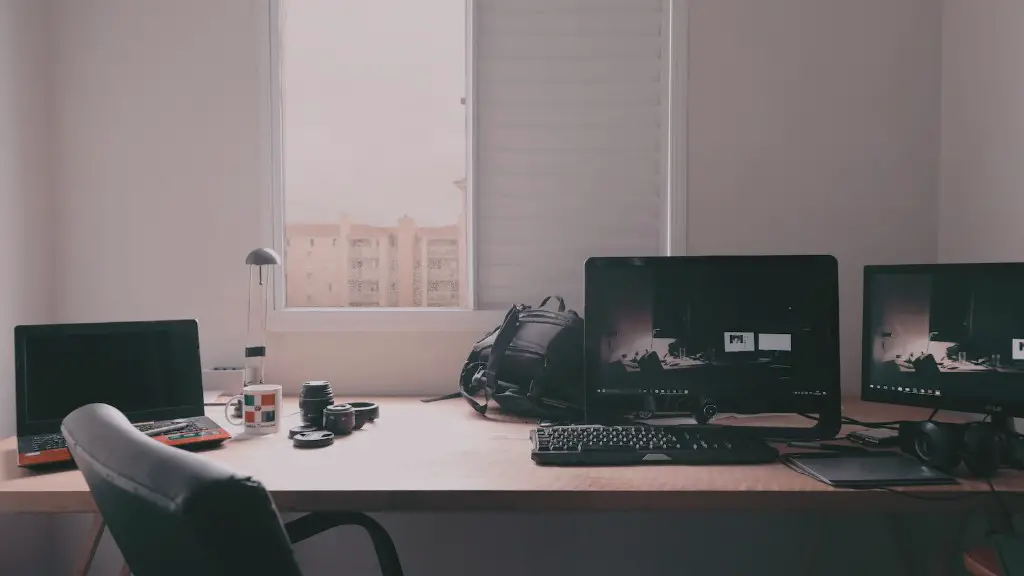
Finally, there may be additional accessories needed for a gaming PC, such as RGB lighting, case fans, and other items. Generally, these accessories are for aesthetic purposes and can be added after the components have been assembled. Additionally, these accessories can also improve cooling and provide additional support for the various components.