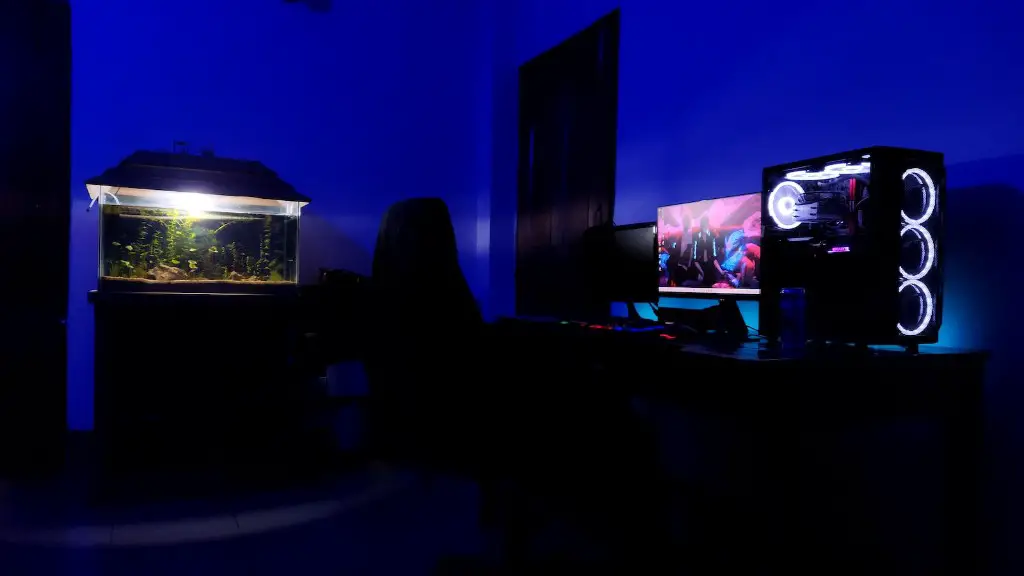
Gamers have come to expect the absolute latest and greatest in computing technology to achieve the best gaming experience possible. To win gaming PC isn’t a simple task, as there are many components that come together to make a premier gaming rig. From powerful processors and graphics cards, to massive amounts of RAM and storage, a gaming computer must have the highest quality parts to give you the edge over your competition. Here’s how to get the most out of your gaming PC and win at gaming.
The CPU is the brains of any computer, and in gaming PCs, the processor should be an Intel Core i7 or an AMD Ryzen 5 chipset. These chips will offer clock speeds of up to 5.2GHz and provide more than enough power for gaming. Both Intel and AMD offer a range of cores and threads – more cores and threads generally mean better performance, but be sure to research each chip before you buy.
For the graphics card, aim for one with the latest architecture, such as an NVIDIA GeForce RTX 2080 Ti. This card can handle the demanding requirements of new game releases, and provide excellent performance in older titles, giving you a competitive edge. Make sure to have ample cooling for the card, as running it too hot can cause problems.

16GB of RAM is a good starting point for a gaming PC. This should provide plenty of memory for gaming, as well as multitasking activities such as streaming. Ensure that your RAM is DDR4, as this is the fastest type of memory currently available.
Storage capacity is important, as this is where you’ll be saving your games and performance data. A 1TB solid-state drive should be sufficient, but if you plan on having lots of games installed and performance data to save, then you may want to consider a larger drive. An 8GB or 16GB of RAM should be enough for most people.
Power is an important consideration when building a gaming PC, and it’s important to make sure you have enough wattage to power your components. A good rule of thumb is to buy a power supply that is at least one wattage above the total wattage of your components. This will allow for additional components to be added later on, as well as providing headroom in case you want to overclock your CPU or GPU.
Finally, a good gaming PC should have a quality case. Your case will be the centerpiece of your rig, and it must be capable of containing all of the powerful components inside. Look for a case that has separate compartments to keep your components cool, and make sure it has enough ventilation to allow hot air to escape. Additionally, look for a case with enough space to add more components in the future.
CPU Overclocking
A CPU overclock is the process of pushing the clock speed of a CPU higher than its rated speed. By overclocking, the potential for higher performance is greatly increased, but the risk of instability is also introduced. As such, overclocking should only be done by experienced users. Before overclocking, it’s important to do research and understand the risks involved.
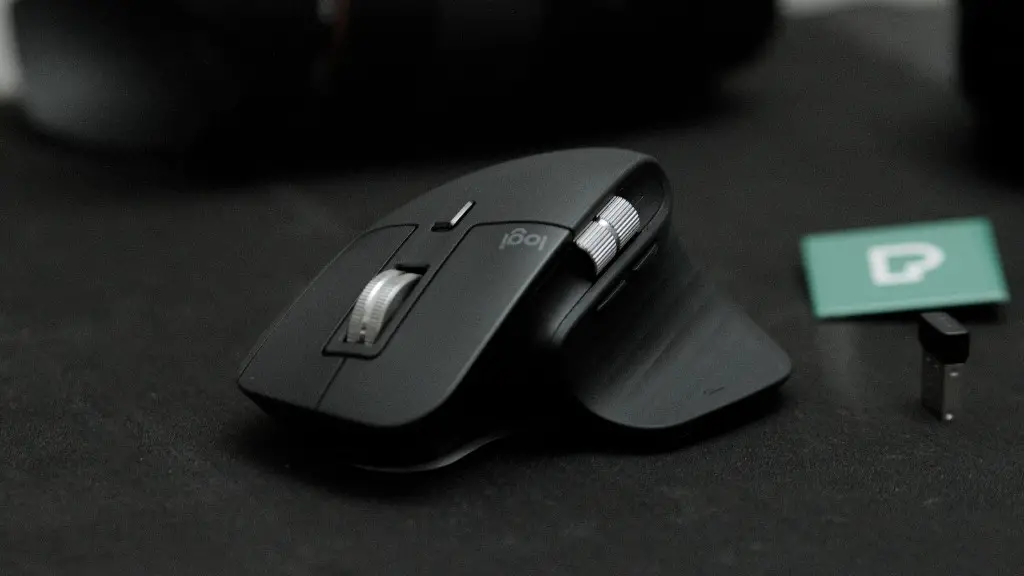
To start the process, you will need a good quality CPU cooler to keep temperatures in check. The cooler should have plenty of fans and a good air flow design. Additionally, you’ll need to adjust the BIOS settings of your motherboard, as some settings may limit the overclock. Adjusting the CPU voltage, multiplier, and core frequency are the main settings that you’ll be adjusting in the BIOS.
Next, you’ll want to start the overclocking process by increasing the clock speed in small increments. This will let you test the stability of the system at each stage of the overclocking process. Additionally, it’s important to monitor temperatures closely and make sure that the system does not exceed safe temperatures. Once the system has been tested and is stable, you can then use tools like Prime95 or 3DMark to benchmark your system and assess if the overclock was successful.
Monitor Refresh Rates
In gaming, the monitor refresh rate is an important factor, as it determines how fast the image is being updated on the screen. The higher the refresh rate, the better your gaming experience will be. The standard refresh rate today is 60Hz, but more advanced monitors can reach up to 240Hz. When choosing a monitor, make sure it has a higher refresh rate than your GPU can output. For example, a GPU that can output 144FPS should be paired with a monitor with a minimum refresh rate of 144Hz.
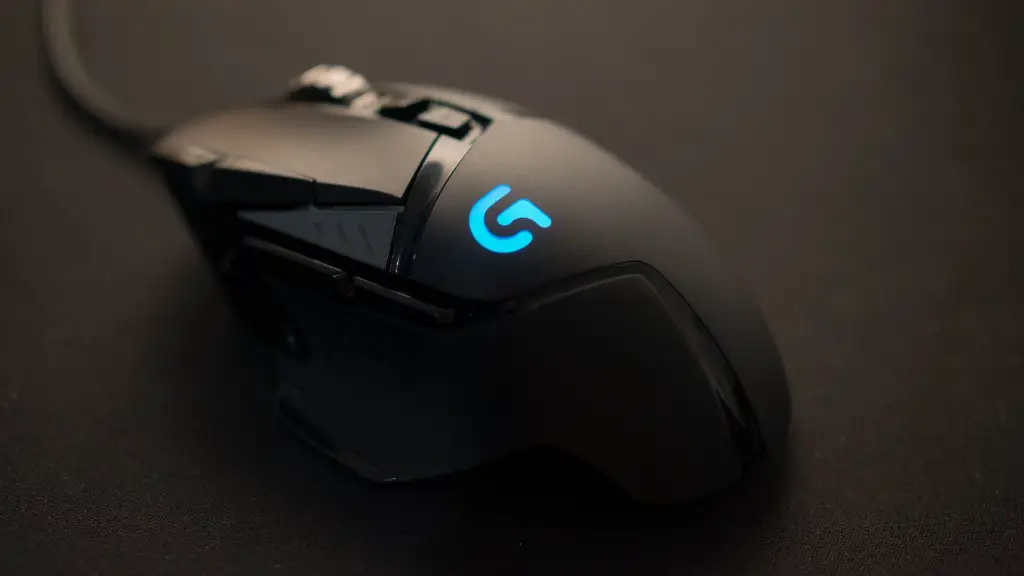
Once you have the right monitor for your setup, it’s time to adjust the settings. Many monitors come with customisable settings such as contrast, brightness, and colour temperature. Take the time to adjust these settings until you are happy with the image quality. You should also adjust the refresh rate settings in the monitor settings menu, as this will affect the gaming experience.
Additionally, if you cycle between different games or applications, it’s important to adjust the refresh rate to suit each application. For example, an intense FPS game might require a higher refresh rate than a slower paced game, so be sure to adjust the settings accordingly. This will ensure that you get the best performance out of your gaming rig.
High Quality Cooling
For a gaming PC to run at its peak performance, it’s important to ensure that components are kept cool. High-end components such as CPUs, GPUs, and RAM generate a lot of heat when running, so it’s important to ensure proper cooling is in place. A proper cooling setup should include a good CPU cooler, as well as fans for the case. For GPUs, an after-market cooling solution should be considered, as this will greatly reduce temperatures.
Another important factor is airflow in the case. Make sure there is plenty of room for air to flow freely, and that all fans are set up in a way that will optimise air flow. Additionally, it’s important to make sure that no cables are blocking or blocking off areas of the case. This will ensure your components stay cool even during extended gaming sessions.
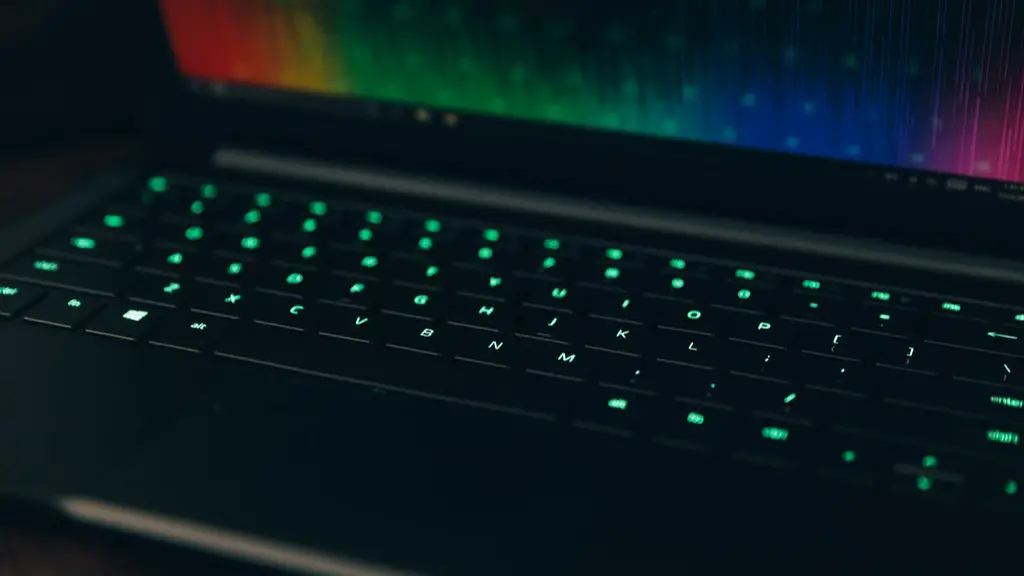
Finally, it’s important to monitor the temperatures of all your components while gaming. This can be done through PC monitoring utilities, and it will allow you to make sure that everything is running at optimal levels. If certain components start to heat up, downsizing the cooling setup or using a better cooler may be necessary.
Performance Tuning
Performance tuning involves using software to improve the abstract performance of your gaming PC. This can include everything from overclocking components to adjusting power usage settings to get the most out of your PC. For experienced users, performance tuning can provide an extra edge in games and help you get the most out of your gaming rig.
One of the most common forms of performance tuning is CPU and GPU overclocking. This involves pushing each component higher than its rated speed, and typically results in increased performance in gaming. Additionally, users can look into CPU and GPU undervolting, which can help save power and improve the thermal performance of the components.
Another popular form of performance tuning is tweaking the power settings of your components. This involves adjusting the voltage and power limits of your components, and can be used to squeeze out additional performance. Higher power limits often lead to higher performance, but make sure to monitor temperatures carefully, as components can easily get too hot.
Finally, tweaking your RAM settings can also improve performance. It’s important to match the rated speed and timings of your RAM, as this will often provide a slight increase in performance. Additionally, adjusting the frequency and timings to higher values may provide additional gains, though this should only be done by experienced users.
Optimising Software and Drivers
One of the most overlooked aspects of gaming PCs is software and drivers. It’s important to have the latest version of Windows installed, as this will ensure that you have the latest updates and features for your operating system. Additionally, it’s important to keep your drivers up to date, as these can often provide performance improvements. This is especially true of graphics card drivers, as these can provide significant performance increases when they are optimised.
In addition to driver updates, gaming software can also help increase performance. This includes programs like MSI Afterburner, which can be used to overclock and monitor components. Additionally, optimisation software like Nvidia’s GeForce Experience can be used to adjust in-game settings for the best balance between performance and visuals.
It’s also important to keep an eye on the background processes running on your PC. Many programs run in the background and can pull resources from the CPU and GPU, leading to performance slowdowns. Therefore, it’s important to identify and disable programs that are not necessary for gaming, or use process management software to limit their usage when you’re gaming.
Conclusion
Winning at gaming requires having the right hardware and tuning your system to the best of its ability. From powerful components to optimised drivers, there are many factors that can contribute to a victory. Use the tips above to get the best gaming experience out of your rig, and give yourself the edge over the competition. Good luck!
