Debating whether or not you should finance a gaming PC can be stress-inducing. It’s a major investment and an important decision. It’s crucial to be familiar with the intricacies of gaming rigs and the pros and cons of financing.
First, to make an informed decision, you must understand gaming PCs. Unlike traditional computers, gaming PCs are built with high-end hardware, allowing gamers to play without lag and in ultra-high resolution. But this also makes them expensive, as the hardware required for optimal gaming performance can be costly. They are also larger than traditional PCs, meaning there needs to be sufficient space to store the hardware.
Second, you should consider the pros and cons of financing a gaming PC. If you’re on a budget, taking out a loan may give you access to better hardware than you could otherwise afford. When budgeting for a gaming PC, it’s important to take into account the ongoing costs of gaming accessories, online subscriptions, and other potential expenses associated with setting up a gaming rig. On the other hand, if you don’t handle your loan responsibly, you could put yourself in a difficult financial position.
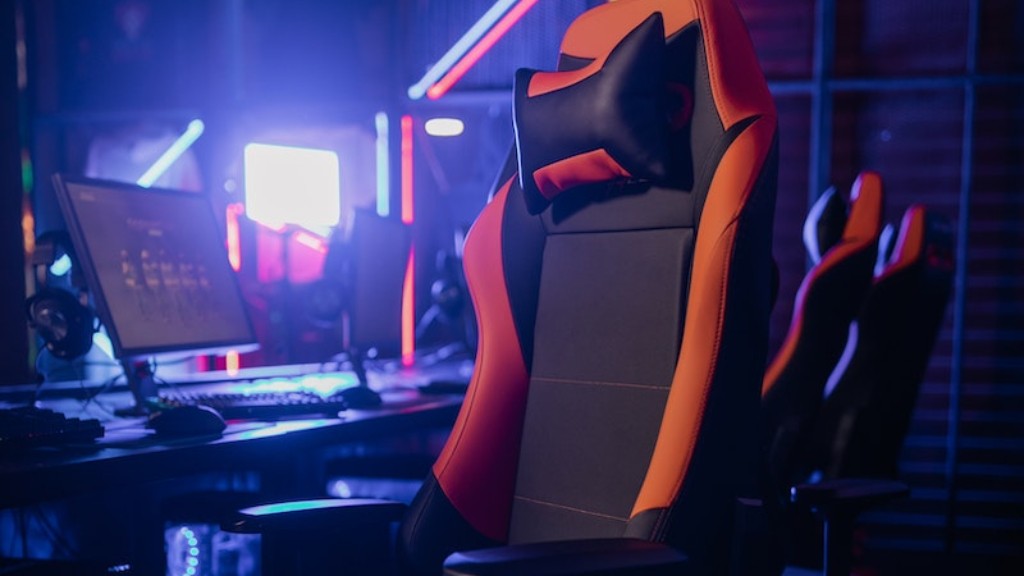
Third, it’s important to understand the type of financing available. Most loan products require a credit check, so a healthy credit score is required for the best rates. If you have a lower credit score, it may be more difficult to get approved for a loan. Make sure to shop around and compare loan APRs based on your credit score.
Fourth, you should assess whether or not a gaming PC is the most cost-effective solution for you. Are you sure you need the high-end performance of a gaming PC or can you get by with a less expensive desktop computer? Ultimately, the best way to make an informed decision is to compare prices, assess your needs, and shop around for the best loan option.
Initial Cost and Upfront Payment
When it comes to financing a gaming PC, initial cost and upfront payment should be taken into consideration. Initial cost refers to the price of the gaming laptop or desktop and any associated setup, such as installation and additional hardware. On the other hand, upfront payment is the amount of money you need to pay when you take out the loan. This could be in the form of a lump sum, a down payment, or an initial deposit. Planning for these costs can help you budget effectively, especially if you have a limited budget.
When taking out a loan for a gaming PC, it’s important to remember that there may be other costs associated with the loan. These could include interest rates, origination fees, or prepayment penalties, depending on the lender. If possible, try to negotiate these fees with the lender, as this could help reduce the overall cost of the loan and make financing a gaming PC more affordable.
Instalment Payment and Loan Duration

Instalment payment and loan duration are two other important factors to consider when financing a gaming PC. Instalment payments refer to the varying amounts of payment you need to make throughout the loan period. Many loan products allow you to select the instalment amount that best fits your needs. In addition, the loan duration is the length of the loan, usually measured in months. Be sure to choose a loan duration that is both manageable and cost-effective.
Finally, it’s important to research the loan’s repayment policies beforehand. Some loans will require you to pay the full amount upon completion, while others may give you the option of refinancing into a lower interest rate or longer loan duration. Knowing the repayment policies can help you determine if a loan is right for you and if it’s the most cost-effective option.
Repayment, Penalty and Refinance
When financing a gaming PC, you must also consider repayment, penalty and refinance policies. Repayment policy refers to the amount of time you will have to repay the loan, which is usually given in a number of months. Both the total loan amount and the repayment policy must be taken into consideration when shopping for a loan product. Penalties may be imposed for late payments or defaulting on the loan, so be sure to understand the loan’s penalty system before committing to it.
Finally, you should research the refinance options. Some loans may give you the option to refinance into a lower interest rate or longer loan duration. Refinancing could be a great way to reduce costs, but it’s important to consider all the potential fees associated with refinancing before making a decision.
Potential Fees and Interest Rates
When budgeting for a gaming PC, it’s important to take into account potential fees and interest rates. Potential fees can include origination fees, prepayment penalties, late fees, and more. It’s important to research these fees and understand the loan’s penalty system before agreeing to the loan. Interest rates are also a factor, as they determine the total cost of the loan. It’s important to shop around and compare rates based on your credit score in order to get the best rate.
Finally, it’s important to remember that buying a gaming PC can be a major investment. While financing can be a good way to get access to a great gaming rig, it is important to be informed and take the time to make an informed decision. Read up on the features of the loan product and make sure to compare prices and loan terms in order to find the best option for you.