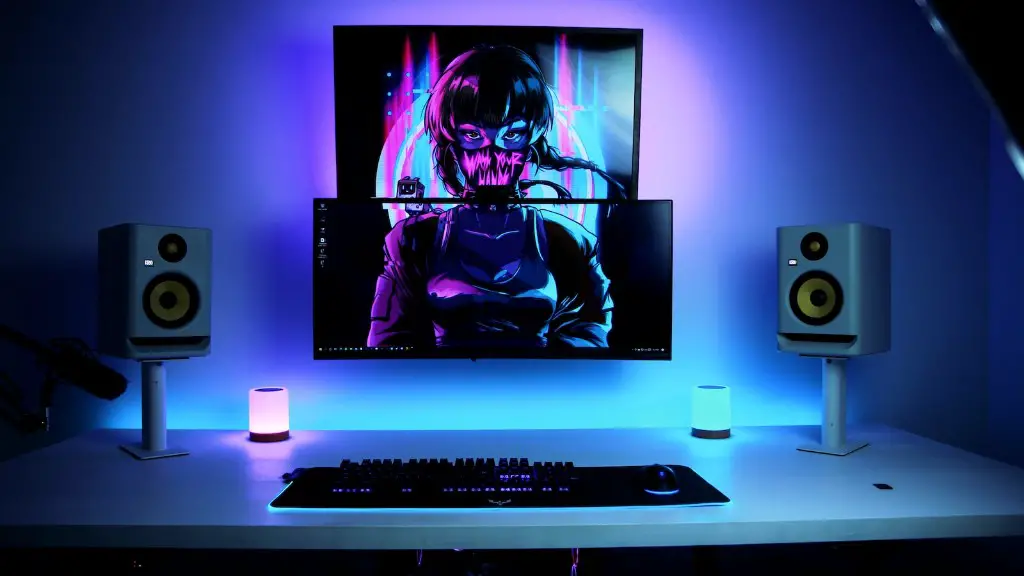
It is no surprise why many individuals hope to build a gaming PC to take their gaming experience to the next level. Although it is not as simple as it appears, it is doable. It all depends on what you are willing to spend on the PC components and how you want the PC to look like. So, what does a gaming PC look like?
A gaming PC is a computer that has been specifically designed to run demanding computer games. It is usually enhanced with powerful hardware such as a fast graphics chip and a large RAM. This ensures that it can handle high definition graphics and smooth-running game play.
A gaming PC also boasts several features which can help to increase its gaming performance. These features include extra USB ports for external controllers and better cooling to prevent overheating.
Other features which can be found on a gaming PC include extended storage options and support for high resolution gaming. This includes 4K and 8K gaming, which adds extra textures, graphics, and video effects to the game experience.
The appearance of a gaming PC also can vary greatly depending on the individual’s preference. It is possible to customize the look of the PC, from the choice of case, fan, and lights to the paint job. Choosing a case with a side window panel, coloured lighting, and themed graphics will all help to enhance the overall look of the gaming PC.
The peripherals, such as the keyboard, mouse, and headset, can also help to define the look of a gaming PC. This is because there are many different styles, shapes, and colours of peripherals designed specifically for gaming.
Finally, other components of the gaming PC such as the speakers, monitor, and gaming console can also be customized to the user’s preference. For example, a gaming console could have a special colour or a unique design which can make it stand out from the other components.
Processors
A gaming PC requires a specific type of processor that can handle data at a high speed. The type of processor will depend on the kind of games that are running, as well as the type of graphics card being used. A Gaming PC requires a processor that can handle high frame rates, 3D graphics, and virtual reality. High-end processors like the Intel Core i7 and AMD Ryzen are powerful enough to meet the demands of a gaming PC.
The motherboard is the centerpiece of a gaming PC and is a crucial component. It is responsible for connecting all the other parts of the PC together and making sure that they all communicate properly. It is important to choose a motherboard that is of a good quality and has enough ports and connections for all of the additional components.
It is also essential to ensure that the processor is compatible with the motherboard. The two must be compatible to ensure that they can work together properly. Additionally, the BIOS need to be supportive and recognise the processor, RAM, and other components in the system.
Finally, it is important to consider the design of the processor. Many gaming processors have a special feature — overclocking — which allows the user to increase the speed and performance of the processor.
Graphics and Video Cards
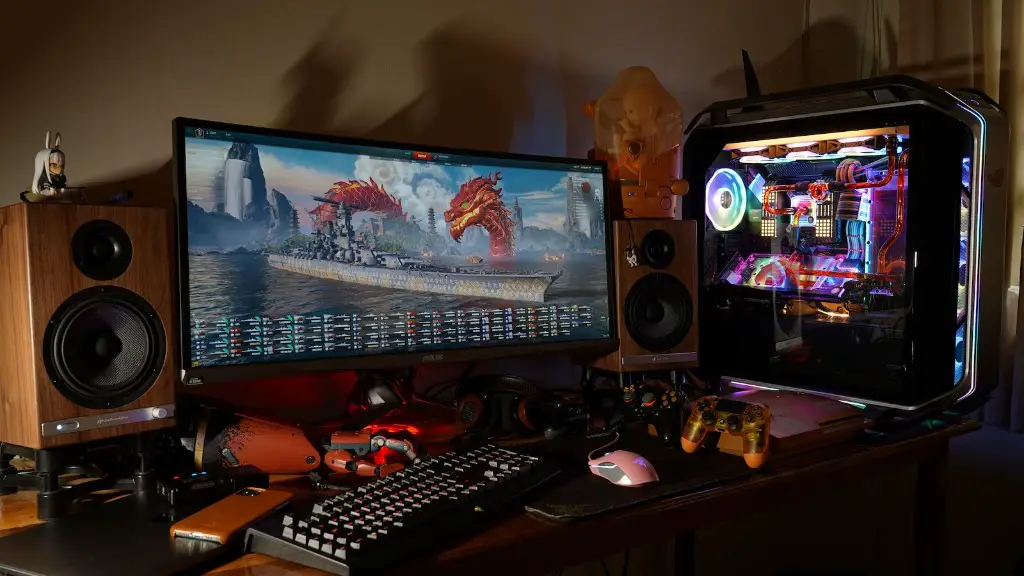
A powerful graphics card is necessary for a gaming PC, as it handles most of the work when it comes to graphics. A gaming graphics card should have a high bandwidth and be able to handle intensive graphics. The graphics card must also be compatible with the games that are being played on the PC.
When considering the graphics cards, there are two types that are available — integrated graphics and dedicated graphics cards. Integrated graphics are built into the motherboard and are suitable for casual gaming. Dedicated graphics cards, on the other hand, are more expensive and powerful. They provide higher frame rates, resolutions, and textures.
The video card is responsible for displaying the images and videos on the monitor. If a gaming PC has multiple displays, it would benefit from a powerful video card that can handle multiple displays.
The resolution of the video card should also be considered. Video cards can range from 1080p to 4K resolution. The higher the resolution, the better the image and video quality.
Memory and Storage

The next important component in a gaming PC is memory. Memory houses the RAM which helps to store and access information quickly. An adequate amount of RAM is necessary to make sure the games run smoothly, as higher RAM will allow more game data to be managed at once.
Storage is also an important component. Solid State Drives (SSD) are the best choice for storage because they are fast and reliable. The size of the SSD or Hard drive will depend on the games and applications that need to be stored.
Other Components
In addition to the processor, graphics, memory, and storage, there are other components that need to be considered when building a gaming PC. Components such as a power supply, cooling system, peripherals, and speakers are also necessary for a gaming PC.
A power supply is necessary for providing the power for all of the components. It is important to choose a power supply with enough wattage to handle the games and other components. A cooling system is also necessary to prevent the PC from overheating, as gaming PCs can get very hot.
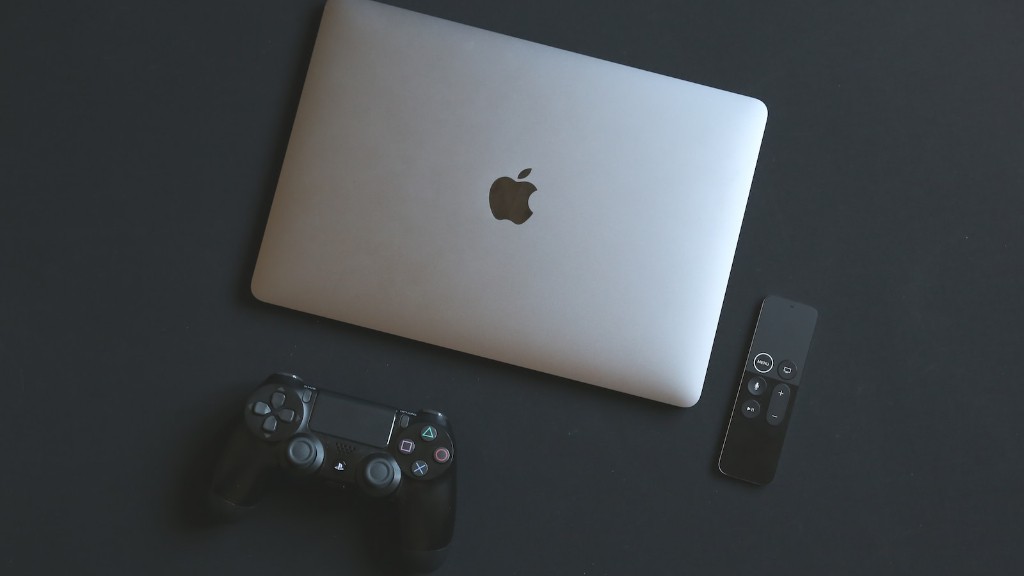
Peripherals such as a mouse, keyboard, and headset can also be important. If the gaming PC is connected to a television, a gaming controller may be necessary. Speakers are also necessary if the gaming PC will be used for playing games with sound.
Conclusion
A gaming PC looks like a powerful combination of hardware and peripherals with a unique design customized by the individual. It includesComponent such as a powerful processor, a graphics card, memory, storage, and a number of other components to provide the best gaming experience. It is important to choose the components carefully to ensure that the PC is capable of running the games that the user wants to play.
