Introduction
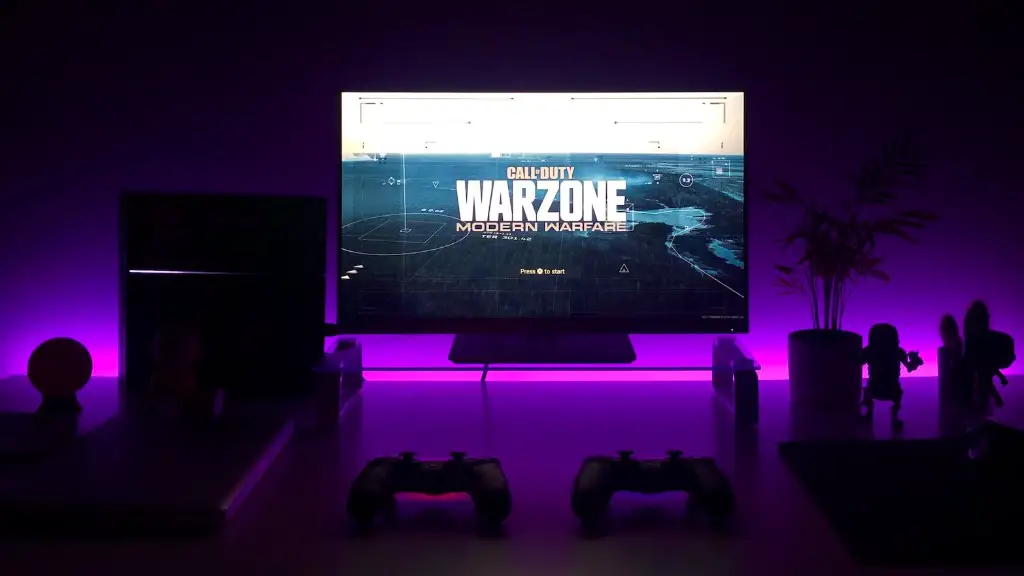
Turning on a gaming PC is a relatively simple task, but it does require some knowledge of how to properly set up your gaming PC for optimal performance. This guide will provide you with the essential steps needed to correctly turn on your gaming PC, as well as explain some of the more advanced features available.
Step 1: Getting Your Gaming PC Ready
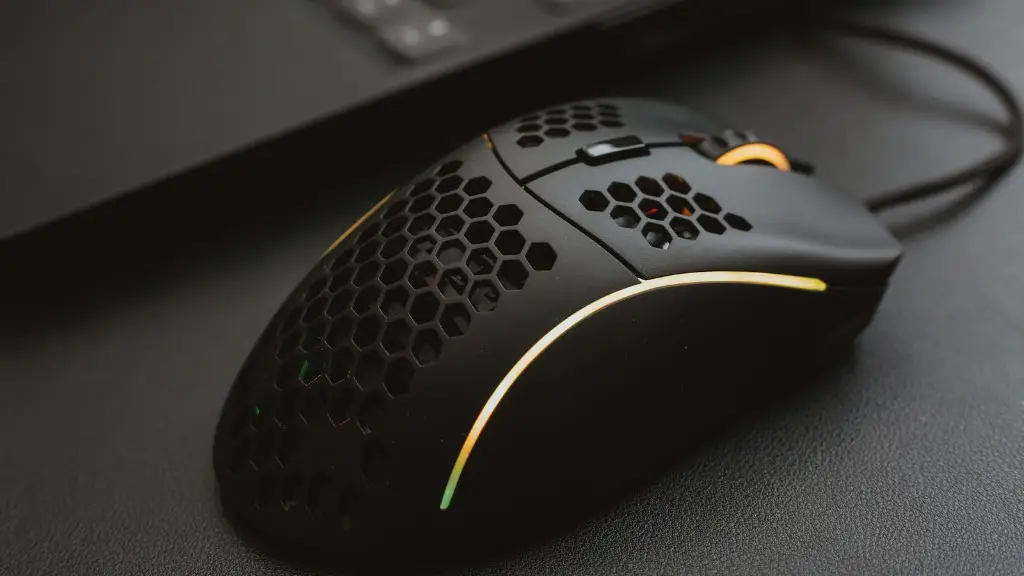
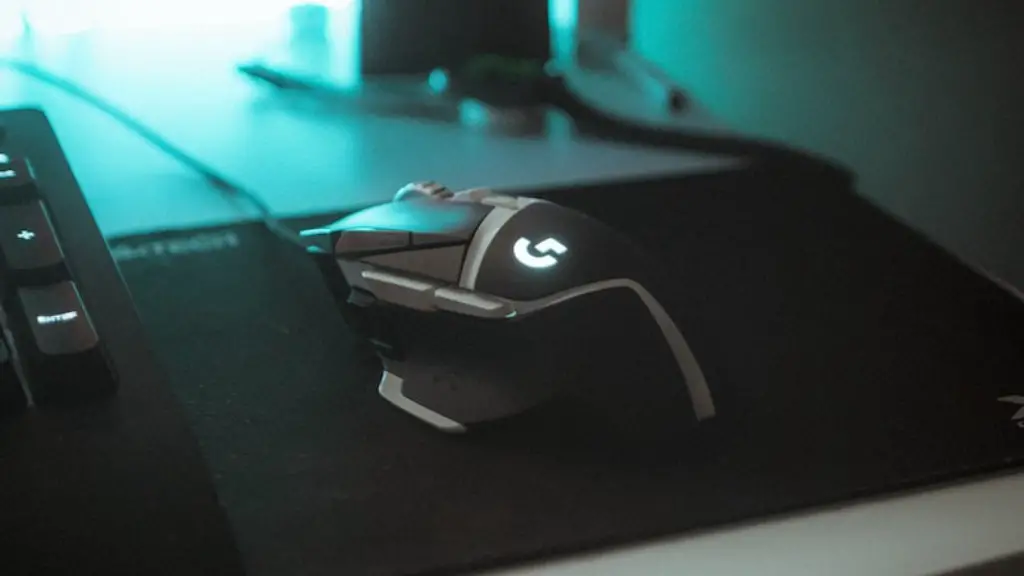
Before turning on your gaming PC, you should make sure that it has all the necessary components and peripherals connected. This includes the power cord and necessary display monitor, mouse, keyboard, and any other gaming peripherals you may need. Make sure to also check that the power switch on the power supply is switched to “On”.
Step 2: Turning On Your PC
After checking that all components are connected and that the power switch has been switched to “On”, press the power button of your gaming PC. Depending upon the model, the power indicator light may turn on, and the fans on the cases and power supply will start to spin. Once the fans have started spinning, the power button of the PC can be released.
Step 3: Connecting to the Network
Most gaming PCs come with a wired internet connection. If your PC supports a wireless connection, use the provided adapter to connect to your approved network. If you are using wired networking, make sure to connect the network cable securely and make sure that the corresponding power switch is turned on.
Step 4: Booting the Operating System
Once the power indicator light turns on and the fans start spinning, the operating system will be ready to boot. Depending upon the model of your gaming PC, the boot process may take a few minutes. You can either wait until the boot process is complete or press the reset button on the PC to speed up the process.
Step 5: Updating the Operating System and Drivers
After the boot process is complete, it is important to make sure that your operating system is up to date. The best way to do this is to run a system update and install any applicable updates. You should also update the drivers for any attached components, such as the graphics card, sound card, and other peripherals.
Step 6: Installing and/or Updating Game Software
The final step to turn on your gaming PC is to ensure that all of your installed game software is up to date. This includes any patches, add-ons, expansions, and other content for the games you have installed. You may need to restart your PC for the changes to take effect.
Optimizing Performance
Once you have successfully turned on your gaming PC, you may want to consider some advanced tips to optimize the performance. By making small changes to the system settings, you can ensure that your gaming PC runs at its best.
Updating the BIOS
Your gaming PC’s BIOS, or Basic Input/Output System, is responsible for managing the hardware components of your gaming PC. It is important to make sure that your BIOS is up to date, as out-of-date BIOS can cause problems with hardware components and reduce performance. Make sure to check the manufacturer’s website for updates and instructions on how to update the BIOS.
Optimizing the Power Mode
Most gaming PCs come with a power saving mode, and it is important to optimize the power mode for optimal performance. If you are looking for more power for gaming and intense graphics, you should change the power mode to the “High Performance” setting. Conversely, if you are looking to conserve power and reduce energy consumption, you should switch to the “Power Saver” mode.
Overclocking
For some gamers, overclocking is a great way to maximize performance of their gaming PC. Overclocking entails pushing the processor and components to their highest possible speeds and beyond the manufacturer’s recommended settings, thereby improving the gaming PC’s performance. However, overclocking can potentially damage the system if not done correctly, so it is important to research, understand, and be comfortable with the overclocking process before attempting it.
Adjusting System Resources
To maximize the performance of your gaming PC, it may be necessary to adjust the settings of the computer’s system resources. In the Control Panel, you can adjust the resources of your gaming PC, such as the CPU, RAM, and disk usage, to better allocate the system resources to gaming-related tasks. This will help ensure that your gaming PC runs optimally and the games run smoothly.
Cleaning Up and Maintenance
To ensure that your gaming PC continues to run optimally, it is important to regularly clean it up and perform necessary maintenance. This includes cleaning out the dust from the case and any attached peripherals, cleaning up the hard drive, and regularly backing up system files.
Cleaning the Case and Peripherals
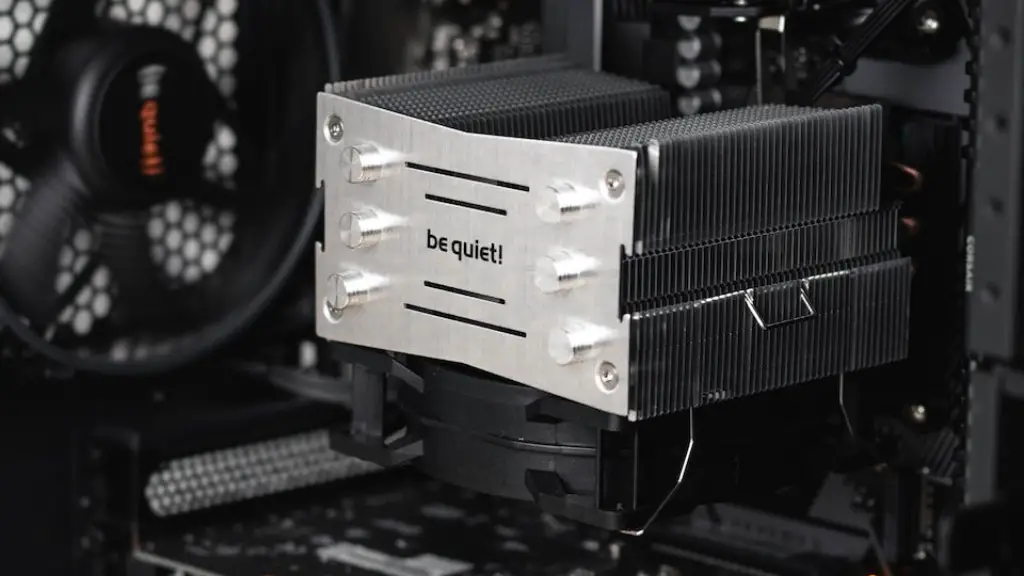
Over time, dust and other airborne particles can accumulate in the PC’s case and within the peripheral devices. This can lead to overheating issues, so it is important to regularly clean out the case and any attached peripherals. Use a can of compressed air to blow out any dust or debris that has accumulated, and make sure to unplug the device before cleaning it.
Cleaning Up the Hard Drive
The hard drive can also benefit from regular maintenance, as it can contain unnecessary files or applications. You can use Windows’ built-in Disk Cleanup tool to check for and remove any unnecessary files. You should also regularly defragment the hard drive, which will make the hard drive more efficient in retrieving data.
Backing Up System Files
You should always back up your gaming PC’s system files in case of damages or system malfunctions. Fortunately, most operating systems have a built-in backup utility that can be used to create regular backups of the system files. It is also a good idea to store these backups in a secure and easily accessible place in case a full system recovery is needed.
Troubleshooting
If you encounter any issues when turning on your gaming PC, there are ways to troubleshoot and resolve the problems. Begin by checking the components to make sure they are connected securely, then check the settings in the BIOS and operating system.
Checking the Components
The first step when troubleshooting your gaming PC is to check the components. Make sure that all components, such as the graphics card and sound card, are properly connected to the motherboard and that the power switch on the power supply is switched to “On”. After that, check that all connected peripherals, such as the mouse and keyboard, are also connected properly.
Checking the BIOS Settings
It is also important to check the BIOS settings to make sure that the hardware components are properly configured. This includes checking the “Boot Order” settings to make sure that the correct device is being used to boot the operating system. You may also want to make sure that the BIOS version matches the motherboard model.
Checking the Operating System Settings
Another important step to take when troubleshooting your gaming PC is to check the settings in the operating system. In Windows, you can check the Device Manager for any component-related issues, and make sure that any updated drivers are installed. You may also want to check if there are any software updates that need to be installed.
Conclusion
By following the steps outlined in this guide, you can turn on your gaming PC and ensure that it is running optimally for peak performance. If you encounter any issues, there are ways to troubleshoot and resolve the problems. Regular cleaning and maintenance, as well as advanced techniques such as overclocking and optimizing power modes, are also important for maximizing performance. With these steps, you can successfully and safely turn on your gaming PC and enjoy gaming with friends and family.
