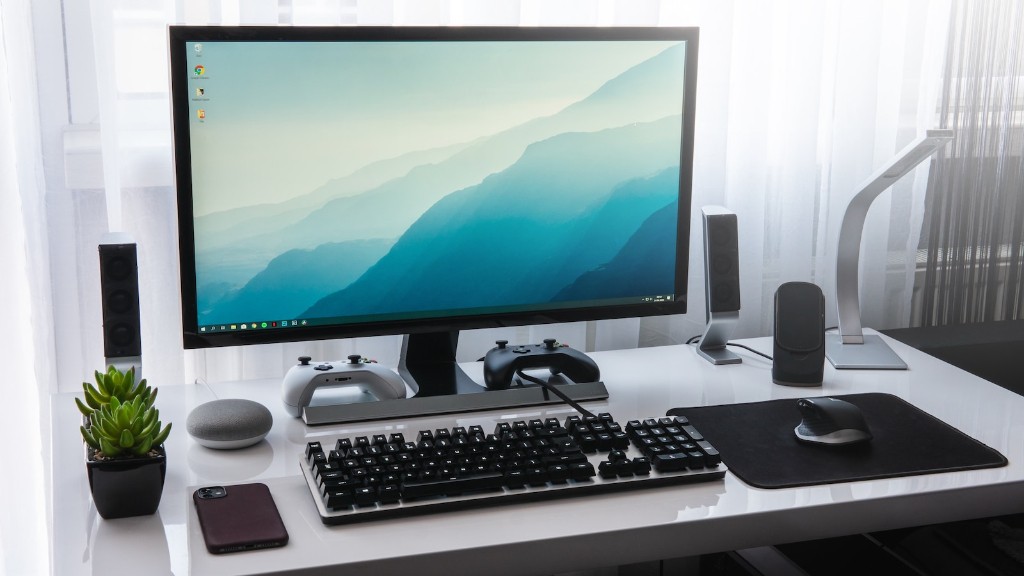
A good gaming PC needs more than a great graphics card and plenty of storage. It needs the right specs put together to create the ultimate gaming PC. There are many different components to consider when constructing a PC for gaming.
CPUs are the brain of the PC. It is essential to select one that can keep up with the most demanding games. An Intel Core i7 processor offers the best performance, but Core i5 or Ryzen 5 processors offer good compromises of price and performance. When selecting a CPU, pay attention to the number of cores it has, the higher the number of cores, the better the performance.
RAM is the short-term memory of the PC, and an essential ingredient for smooth game performance. 4GB is a good starting point, but 8GB is better for future-proofing. 16GB is generally overkill for gaming, but if you need to be ready for some intensive applications, it is worth it.
Storage is another important component for gaming. SSDs are much faster than HDDs and can load games significantly faster. SSDs also comes in various form factors, from 2.5-inch and m.2 to M.2 NVMe. NVMe blows all other form factors away in terms of speed, but comes with a steep price tag.
When it comes to graphics, the current top-end cards are the RTX 2080 Ti and the cheaper RTX 2070. But if you’re on a budget, the NVIDIA GTX 1070 and AMD RX 580 still offer great performance at a reasonable price. Picking the right graphics card will depend on budget and resolution, but both NVidia and AMD offer cards that can get the job done.
Power supplies also play an important role in gaming PCs. Since power supplies can come in a variety of wattages, it is important to select one that meets the required wattage for the components in the PC. It is always a good idea to invest in a higher wattage power supply to give the system some headroom for upgrades.
Finally, cooling is also a necessary component for gaming PCs. Ideally, a liquid cooling system should be used to ensure the temperature of the components stay low under load. CPU coolers, case fans, and all-in-one liquid coolers, are all options for keeping your components cool.
Motherboards
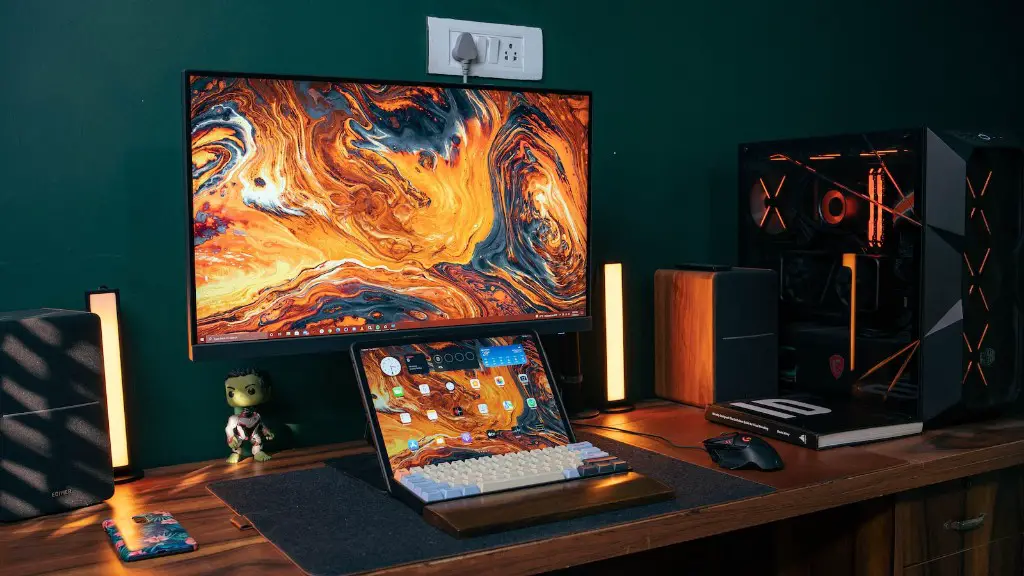
When it comes to gaming PCs, selecting a motherboard is critical. It is important to select a motherboard that is compatible with the processor, the desired RAM and other components in the system. It is also important to select a motherboard with ample ports and slots that can accommodate the desired upgrades. Additionally, motherboards come in various form factors, and selecting one that is compatible with the case is essential.
Cases
Cases also come in a range of sizes and shapes and it is important to select one that is suitable for the components it will house and the motherboard form factor. If a liquid cooling system is to be used, then a case with radiator slots is recommended. It is also good practice to select a case that has good airflow to ensure proper cooling.
Sound Card
For gamers who want an enhanced audio experience, sound cards are an option. Sound cards provide a better audio experience with greater clarity and improved surround sound. But for most PC gaming setups, onboard audio is more than adequate for most gamers’ needs.
Peripherals
Peripherals such as speakers, keyboards, mice, and monitors are also essential components of a gaming setup. Keyboards come in a variety of styles, from membrane to mechanical, and it is important to select one that is comfortable to use. Monitors come in various sizes and resolutions, and with features such as G-Sync and FreeSync. Mice come in a variety of sizes and shapes, with features such as adjustable settings and wireless connectivity. Speakers come in 2.0, 2.1, 5.1 and 7.1 formats, with various levels of power, clarity, and bass.
Networking

Another important component of a gaming PC is networking. For gamers who plan to play online, a quality router and Ethernet cable are essential for a lag-free gaming experience. Wi-Fi connection can be used, but wired connections offer a more consistent connection with reduced lag.
Conclusion
When it comes to building a gaming PC, the specs are important. It is important to select specs that match the desired performance level and budget. CPUs, GPUs, RAM, storage, motherboards, cases, peripherals, sound cards, and networking are the key components in a gaming PC build.