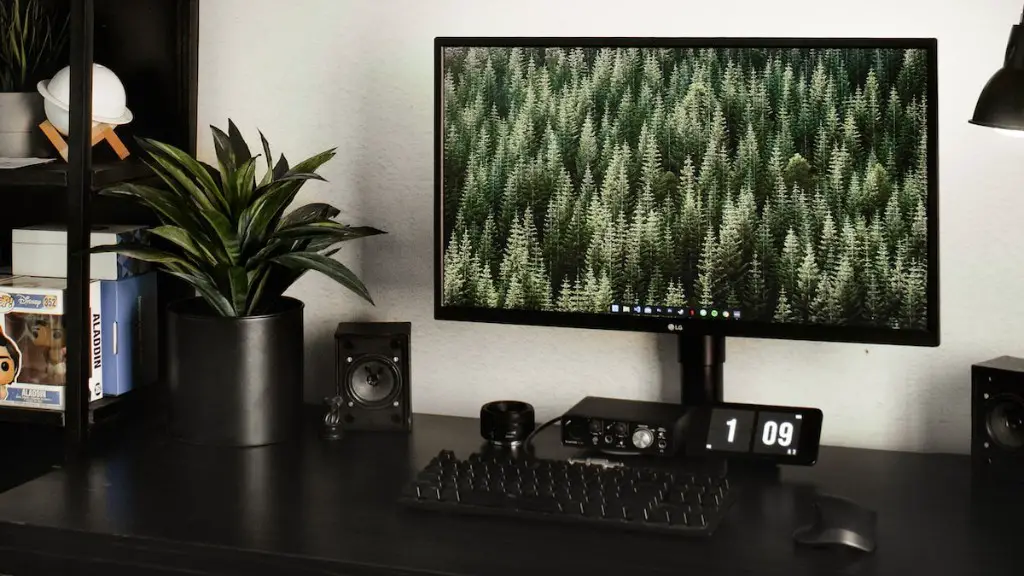
There’s no definitive answer to how much a gaming PC costs, as it depends on the type of components a user chooses. But, as a rule of thumb, a mid-range gaming PC typically costs between $800 and $1,000. This includes a gaming-grade Intel processor and an Nvidia RTX 2060 or AMD Radeon RX 5600 XT graphics card. These components will provide a steady 60 frames per second at 1080p with most modern titles. And users can also expect to pay around $200 for a capable 500-gigabyte solid-state drive and an extra $50 or $60 for a trend-setting monitor.
However, if you’re looking for the best gaming experience with the smoothest frames and top-quality graphics, you’ll need to spend a lot more. For a VR-ready machine, you can expect to pay anywhere from $1,400 to $1,700. This will buy a high-end Intel Core processor and an Nvidia RTX 2080 graphics card.
Building your own gaming computer can save a few bucks, but you’ll need to know a thing or two about hardware. You’ll also need to source each component individually, as few retailers offer customizable gaming PC kits. Plus, if you’re not careful, you could end up with an unreliable machine; if you don’t research your components thoroughly, you’ll be at risk for compatibility issues.

The price tag may also depend on where you buy from. For instance, purchasing from a major retailer such as Nvidia or Best Buy will cost more than ordering from an online store such as Newegg or Amazon. There are also pre-built gaming PCs from superstores and specialist retailers like Alienware.
That said, if you’re looking for top-tier performance, you’ll need to invest significantly more. A high-end PC with twin-Nvidia or AMD GPUs and 16GB RAM will cost anywhere from $3,000 to over $10,000. That’s an eye-watering figure, but if you want the best gaming experience and don’t mind splashing the cash, this is the route you should take. Such a setup will be able to run games at 4K resolution and offer some of the highest frame-rates and graphical fidelity.
Purchasing Pre-Built or Refurbished PCs
An increasing number of gamers are opting for pre-built and refurbished PCs. Pre-built models come with the advantage of being already assembled and configured. There are also a plethora of boutique manufacturers such as CyberPowerPC, offering incredible value for money. Refurbished PCs offer similar value, with the benefit of needing fewer components and a slightly lower price tag.
When purchasing pre-built PCs, it’s essential that you know what’s inside the box. Many retailers may opt for cheaper components, such as lower-capacity memory and outdated storage drives. That said, if you’re already paying top-dollar, you should still consider investing in a laptop, as there are plenty of budget gaming laptops on the market such as the Dell Inspiron 15 or Lenovo Flex 5.
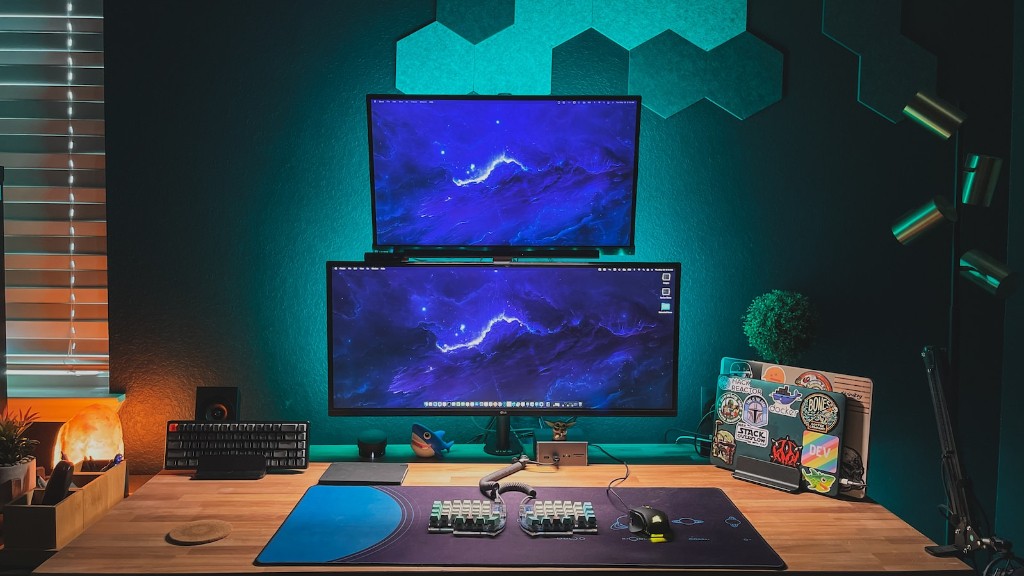
When choosing laptops, bear in mind that cheaper models tend to be heavier. If you’re after ultimate portability, therefore, you should check out some of the range-topping gaming laptops such as the Alienware Area 51M or Asus ROG Zephyrus.
The Shoulder Bustling eSports Scene
An ever-growing number of customers accessorize their gaming rigs with premium peripherals such as high-end keyboards, mouse and gaming chairs. eSports is also gaining traction throughout the gaming community, providing dedicated gamers with the opportunity to pocket large sums of money if they succeed in major tournaments. Dedicated gamers must, therefore, invest in equipment that fits their individual needs.
Competitive gamers take into account several essential factors such as processor speed, GPU, and storage solutions. When it comes to peripherals, a competitive gamer must purchase keyboards, mice, and chairs that offer a competitive advantage. Moreover, a competitive gamer should also invest in powerful sound equipment.
Many competitive gamers are opting for virtual reality setups as these provide stunning immersion and accuracy unmatched by traditional gaming solutions. If a competitive gamer intends to invest in a VR setup, they should expect prices starting from $500 for the Oculus Rift and going up to $800 for a Samsung Odyssey.
The Cost Factor of Overclocking
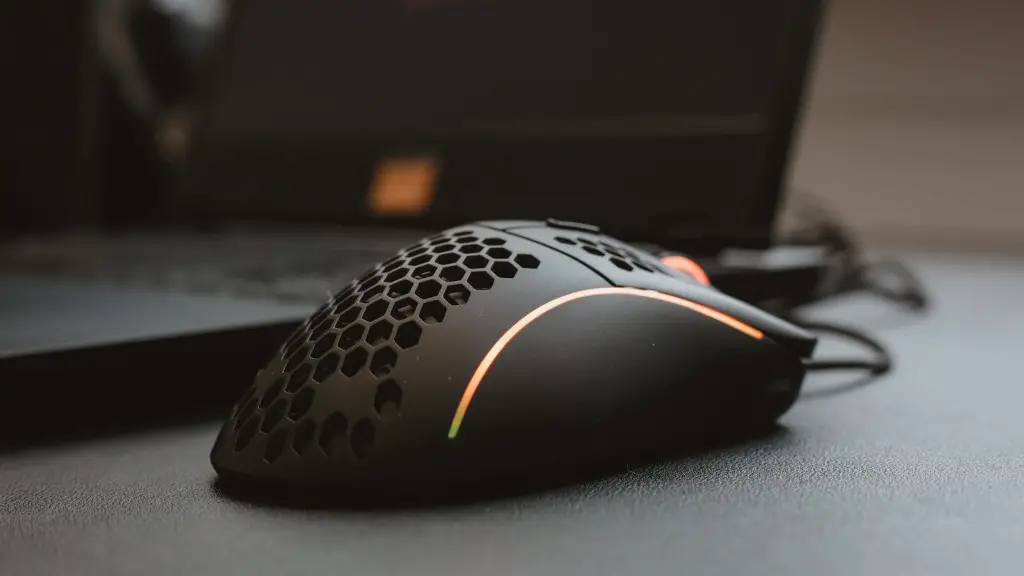
Finally, gamers looking for optimal performance may consider overclocking their components. Such a process can have a damaging effect on hardware and significantly reduce the life span of components. Therefore, investing in high-performance parts, such as liquid cooling, may incur considerable costs.
Overclocking can cause components to run hot, which is why many gamers opt for liquid cooling solutions to help keep systems as cool as possible. Liquid cooling also allows systems to run more efficiently and achieve higher clock speeds. Therefore, if you want to gain a competitive edge in the gaming arena, you should consider investing in a liquid cooling solution.
Upgrading Over Time
If you’re on a tight budget, there’s nothing wrong with starting small. You can always upgrade the machine over time with higher-end components. Plus, investing in simpler GPUs and RAM allows for greater compatibility and support for older games, such as Crysis 3.
While adding a few upgrades here and there can definitely improve system performance, it’s worth noting that component prices are always fluctuating. Therefore, before making a purchase, you should research the market for components and offers.
Optimizing Performance with Software
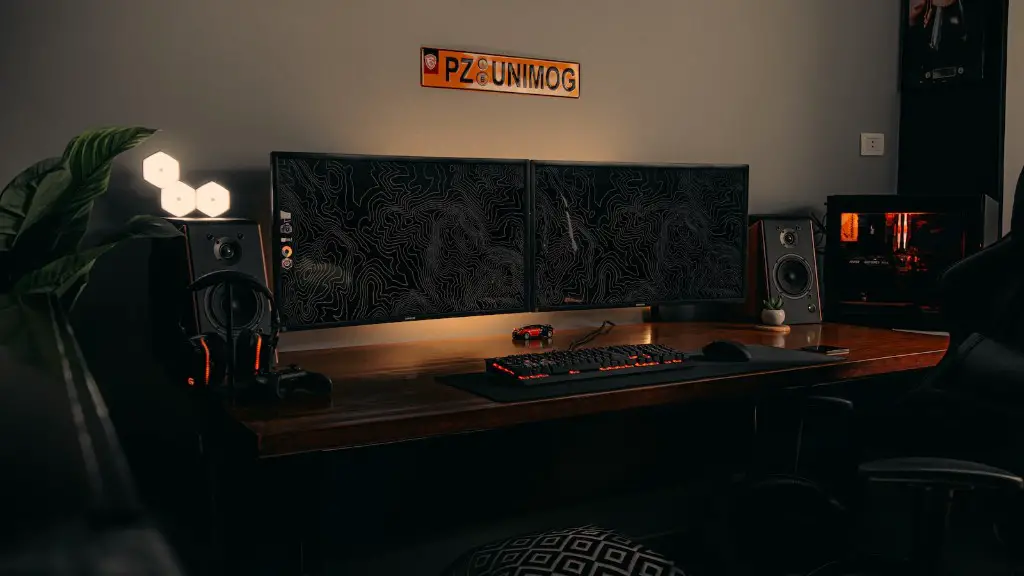
Many users also opt to improve system performance with software solutions. In addition to new drivers, some software solutions such as GeForce Experience enable gamers to easily adjust graphical settings, making it easier to play games at high frame-rates.
Gamers can also benefit from software such as Wise Memory Optimizer, which monitors and adjusts RAM usage in order to reduce CPU lags. Plus, there are numerous disk optimization tools available to help users keep their storage drives clear of unnecessary files.
The Risk of DIYs
Regardless of whether you decide to purchase your gaming machine pre-built or build it yourself, it’s essential that you do your research. Pre-built PCs may not always offer great value, so be vigilant when researching specifications. DIYers must also ensure that components are compatible and that the wiring is properly secured.
These concerns leave gamers in an awkward spot. After all, it’s hard to find a reliable machine on a budget. As manufacturer’s prices continue to rise, users are increasingly opting for second-hand components or refurbished PCs.
Summary
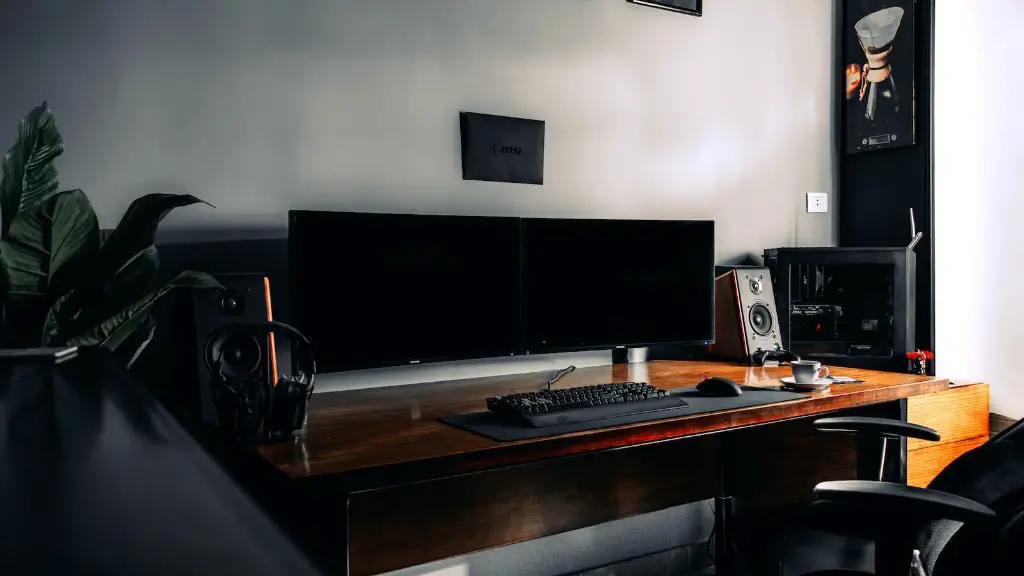
The price of gaming PCs vary depending on what a user needs. Mid-range gaming PCs typically cost between $800 and $1,000; however, a VR-ready system falls in the region of $1,400 to $1,700. If you’re after optimum performance, a PC with twin-Nvidia or AMD GPUs and 16GB RAM could cost you anywhere from $3,000 to over $10,000. While building your own PC can be a viable option for enthusiasts, there is also the option to buy pre-built or refurbished PCs.
Peripherals and software can also affect the cost. eSports is booming and dedicated gamers must invest in components and peripherals that give them an edge. If you intend to use VR, the prices vary significantly between different models. Lastly, if a user plans to overclock components, investing in tailored liquid cooling solutions is essential.
