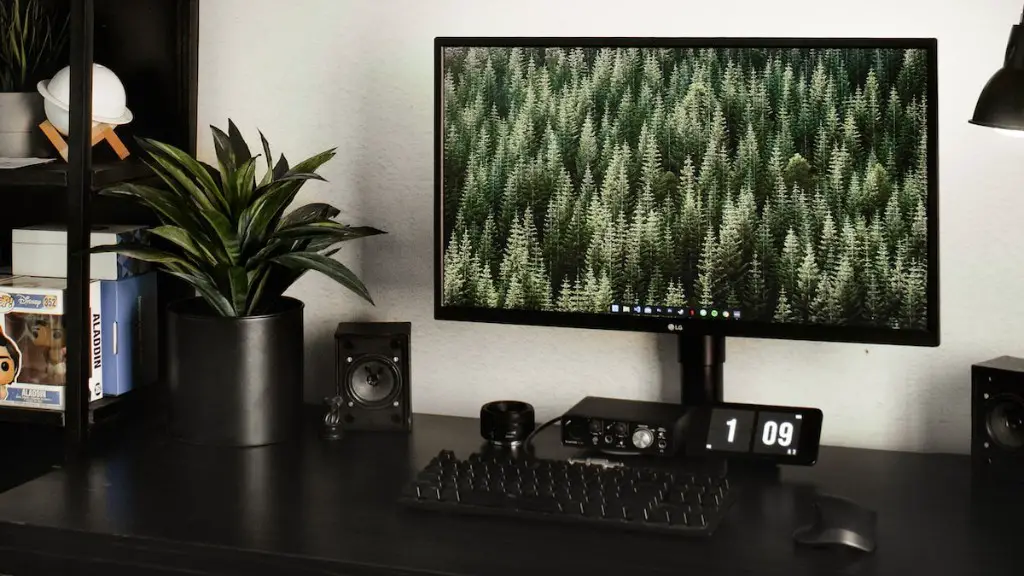
Aspiring gamers can now learn how to build their own gaming PCs in 2018. Building a gaming PC can provide a more affordable and customized gaming experience. All that’s needed is an understanding of the components, an idea of the specs required, and the right tools.
First, it’s important to understand the different PC components and how they work together. Central Processing Units (CPUs) are the “brains” of the gaming PC. Graphics Processing Units (GPUs) generate the graphics. RAM stores memory, and the motherboard connects all the components. To build a gaming PC, one will need cables, a CPU, a GPU, RAM, a motherboard, and a power supply.
Next, aspiring gamers should look into what specs and components will work best for their PC build. If a budget allows for it, look for higher-end specs like a good processor and RAM. Most gaming PCs should have 8GB of RAM at minimum; 12-16GB is ideal. GPUs should meet the specs of the gaming requirements. Intel Core i5 and AMD Ryzen CPUs provide the best performance.
Third, gamers want to make sure they have all the tools needed to build a gaming PC. A screwdriver and a pair of tweezers is necessary to fit the pieces together. Anti-static gloves and wrist straps are needed to help prevent short-circuits. A thermal paste is needed to help cool down the processor. Lastly, a Phillips screwdriver and pair of pliers will be needed to insert cables together.
Lastly, gamers may want to consider purchasing a PC gaming case for an aesthetically pleasing appeal. PC cases come in hundreds of sizes, shapes, and designs so take the time to find a case that will fit all their components. Many gaming cases provide additional space for installing water cooling radiators or extra fans. Doing this can help regulate the temperature of the gaming PC and help keep it from overheating.
RAM for Gaming PC
Gamers interested in building a gaming PC should consider the type of RAM needed. They should not purchase older types of RAM, such as DDR memory, as this won’t be compatible with most new processors. Instead, they should look into DDR4 RAM. This is the fastest type of RAM available and has over double the amount of bandwidth of DDR3 memory. For gaming, 8GB of DDR4 RAM should provide plenty of performance. Gamers can also look into Intel Optane memory, which provides an additional boost to system performance.
SSD and Hard Drives
Another component gamers should consider is SSDs and Hard Drives. An SSD offers superior performance to a traditional hard drive because it has no moving parts. Instead, information is stored on interconnected microchips. SSDs offer faster boot times and load times for games, making them ideal for gaming PCs. Gamers should also consider having a larger Hard Drive for a good balance of performance and storage. Hard drives offer more storage than an SSD but can be a bit slower.
Cooling for Gaming PC
Finally, gamers should also look into cooling solutions for their gaming PCs. Many stock fans and coolers that come with the components won’t be enough to keep temperatures in check during heavy gaming. Look into after-market coolers and radiators that can be installed into the case to improve cooling. Doing this will reduce the noise and help the components run at optimal temperatures.
Power Supply for Gaming PC
Choosing the right power supply for a gaming PC is equally as important as selecting the right components. Opt for a power supply with at least 600 watts of power and look for 80 Plus certification. This ensures the power supply is efficient and will keep the components in your PC running smoothly. Good quality PSU brands include Corsair, EVGA, and Seasonic.
Design and Assembly
Once the components and tools are chosen, it’s time to plan out the design of the PC. Gamers should make sure to measure their case and plan out the size and layout of their components. They can also use an online tool like PCPartPicker to select compatible components and plan their build. When it’s time to assemble the PC, gamers should start with the CPU, followed by memory, the GPU, and finally the motherboard.
GPU Drivers and Windows Installation
Once the components are all in place, the final step is to install the GPU drivers for the GPU. It’s best to download the driver from the manufacturer’s website as it will have the proper updates for the GPU. Finally, Windows needs to be installed. Windows 10 is the best choice for modern gaming PCs, and it can be installed via a USB drive or DVD.
Conclusion
Building a gaming PC in 2018 doesn’t have to be daunting. As long as gamers have the right specs, tools, and patience, they can easily build their own gaming PC. Take the time to research compatible components, measure out the case, and assemble them carefully. In the end, gamers will have a personalized gaming rig that they can be proud of.