The debate between gaming PCs and gaming laptops is a hot topic among gamers. Both have their own advantages and disadvantages and choosing the best one for you depends on your specific needs. This article will assess the merits of gaming PCs vs. gaming laptops and discuss the key factors that make one preferable over the other.
In terms of raw performance and power, gaming PCs are the obvious choice – they’re capable of reaching greater heights in terms of boosted speed, better graphics, and capacity to process complicated tasks. This is because they are typically packed with more internal components and can be upgraded more easily. If you’re looking to play the latest and greatest AAA titles and want a lag-free gaming experience, then a desktop gaming machine is the way to go.
Conversely, gaming laptops provide portability and convenience that a gaming desktops can’t match. They’re designed for those who need to take their gaming on the road, whether for travel or gaming events. They also have enough power to run the latest games at respectable settings, in addition to carrying all their other features with them.
In terms of cost, gaming laptops are usually more expensive than similarly-specced gaming desktops. That said, gaming laptops come with features and specs that a desktop may not be able to replicate at the same price point. For example, some gaming laptops come with touchscreens, unlike most desktops. They also have a wide range of battery life, depending on the model and settings.
Another key difference between gaming PCs and laptops is their size and weight. Not only can desktops be much bigger and heavier, they require more space and may require an entire gaming room. Laptops are lightweight and compact, perfect for transporting to gaming events or your buddy’s house.
When it comes to gaming performance, hardware is only one small factor. You need the right software that optimizes the hardware. If you’re planning to go with a gaming laptop, make sure to check what type of software is pre-installed on the laptop and if you need to purchase any additional software. Pre-installed software can vary greatly from manufacturer to manufacturer, so it pays to do your homework before making a purchase.
And lastly, it’s important to consider what games you’ll be playing, as some games may perform better on laptops than others. Ideally, you should test before buying to see how the game performs on both machines.
Storage Capabilities

When it comes to storage, gaming PCs and laptops currently provide similar capacities. It’s possible to find both gaming PCs and laptops with SSD and HDD capabilities, albeit with a slight advantage to gaming laptops, as they are better able to cope with the resources-intense nature of high-end gaming. For example, the latest gaming laptops come with the latest 3.2 PCIe NVMe SSDs for faster loading speeds.
In terms of sheer capacity, gaming PCs will have a greater if not almost unlimited storage availability. Since gamers usually need a lot of storage to store the large number of games, gaming PCs offer much greater room for expansion. It’s not uncommon to find a gaming PC with up to four TBs of storage capacity.
On the downside, some desktop motherboards may not even provide additional storage slots, plus, installing additional drives requires you to open the tower, which can be time-consuming.
On the other hand, a gaming laptop may not have the exact same hardware but will still offer enough storage for gaming requirements, including capacity for up to two drives. This makes it convenient for the user.
Cooling System
Both PC and gaming laptops are comparable in terms of cooling systems. Gaming laptops offer a variety of features depending on the model, including DualFan cooling solutions.
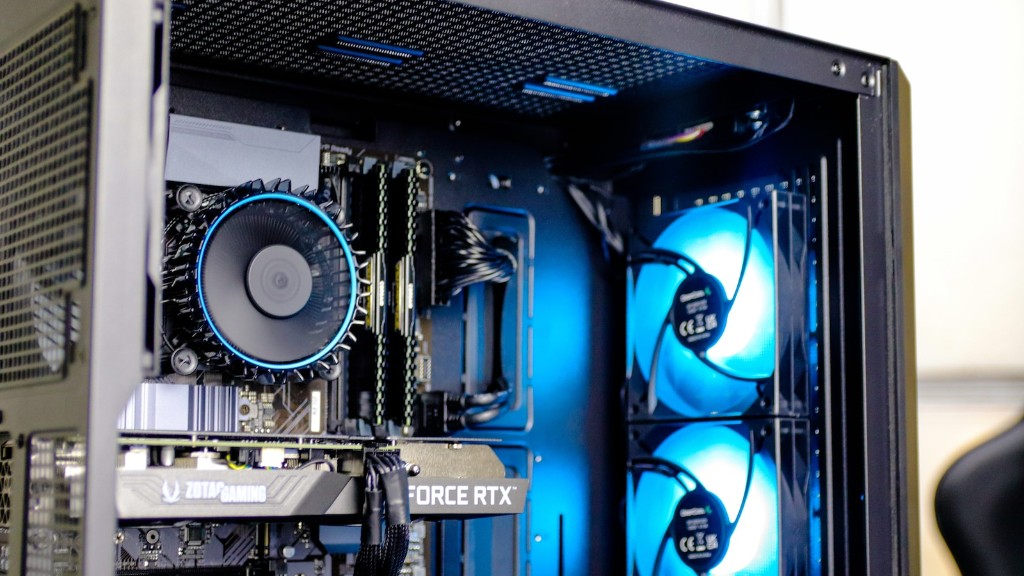
Desktop PCs also come with a variety of cooling systems, such as liquid cooling systems, fans, and custom fan systems. Some high-end PC cases are even designed with cooling systems specifically for gaming needs.
The cooling system of the PC is arguably more important for hardcore gamers since high-end gaming hardware increases power consumption and generates more heat, which can potentially cause the system to overheat. To prevent this and keep your hardware functioning at an optimal level, you’ll need to pay close attention to the cooling system, especially if you’re aiming to reach a higher overclock.
For MacBook users, they’ll find that the cooling system is not as automated and all configuration must be done by the user. The good news is there are plenty of supportive accessories and upgrades.
To summarise, it’s clear that both PCs and gaming laptops have their pros and cons and the right choice ultimately depends on individual needs and preferences. In terms of cooling systems, both solutions provide effective cooling solutions for hardcore gamers who are keen to attain higher overclocks.
Upgrading- PC Vs Laptop
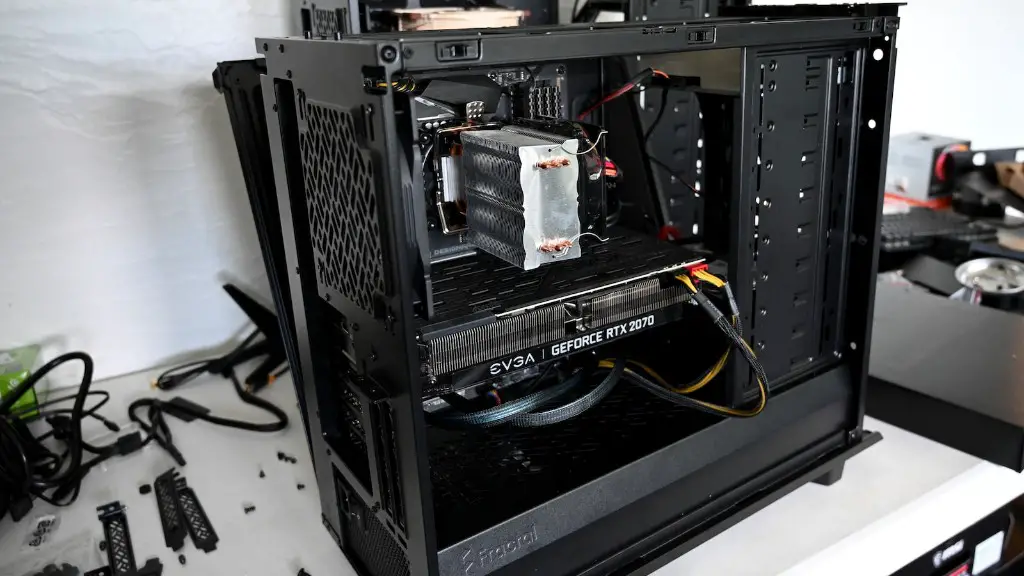
When it comes to upgrading, desktops obviously have the advantage over laptops. It is much easier to upgrade PCs since all you need to do is open the tower, add more RAM or GPU, and increase the storage capacity.
The same cannot be said with gaming laptops. Upgrading can be a little tricky and potentially expensive, with most gaming laptops requiring parts to be replaced instead of added on. If you’re looking to continually upgrade your gaming machine, you’re probably better off with a gaming PC.
Although gaming laptops are also upgradeable, they are typically limited to specific components and models. If you need something more specific, like additional GPU or RAM not available in the laptop’s particular model, you’ll need to purchase a completely different laptop.

But gaming PCs aren’t perfect either – they can be quite tricky to maintain and require some technical skill to replace or upgrade parts. Which is why desktops may not be the best choice for those who are just getting started with gaming.
Looks and Aesthetics
The looks and aesthetics of a gaming PC or laptop can be just as important as the technical specs. When it comes to the exterior of a gaming PC, the options are almost endless and can be tailored to your personal style. From custom PC cases and keyboards, to RGB lighting and customized gaming gear, the possibilities are endless.
On the other hand, gaming laptops also provide a variety of designs. Some modern gaming laptops come with backlit keyboards and customizable theme effects, as well as metallic and textured designs.
In terms of size and portability, laptops obviously come out on top. Desktop PCs can take up an entire room, and moving them can be an arduous task. Laptops are easy to move around and can be used anywhere. This is especially useful for gamers who participate in esports tournaments, or simply want to take their gaming on the go.
All things considered, it all comes down to personal preference. If you’re looking for power and performance, then a gaming PC is the way to go. But if portability and convenience is more important, then a gaming laptop will fit the bill.
