When it comes to gaming performance and maintaining optimal conditions, gamers are often wondering when they should upgrade their gaming PC. Upgrading often means replacing existing hardware with newer and better components, which can be costly. Therefore, gamers should have a clear understanding of how often they should upgrade and which components should be upgraded first.
The frequency of PC upgrades greatly depends on the type of games that you play and your budget. For gamers who are playing the latest release or enjoying graphically intensive games, a dedicated gaming rig that can handle higher settings is necessary. If you are on a tight budget, you may want to upgrade only when you need to as components become obsolete and upgrading becomes necessary.
While upgrading hardware components is one way of improving your gaming experience, there are some other ways that you can improve your gaming performance without the need to upgrade your hardware. Keeping your system updated with the latest driver versions can help improve compatibility with the latest games. Having enough RAM and a fast processor will make sure your games run more smoothly.
You can also improve your gaming performance by adjusting the settings in your games. For instance, if your graphics card is lower-end then you can reduce the game settings to make it run smoother. You can also reduce the resolution of your monitor, which will also help improve your gaming experience.
When it comes to upgrading, the best way to do it is to focus on the parts that you need. You may not necessarily need to upgrade all of your components. You can start by upgrading the component that would give you the most significant performance boost. For example, if you don’t have enough RAM or a fast processor, upgrading these two components would undoubtedly give you the greatest benefits.
Finally, it is important to note that the frequency of upgrades can vary from gamer to gamer. While some may need to upgrade multiple times a year, others may only need to upgrade occasionally. Ultimately, it all comes down to your individual needs and budget.
Upgrading Your Motherboard
Upgrading your motherboard is one of the best ways to give your gaming PC a boost. Replacing your existing motherboard with one that has more features and capabilities can allow you to experience the latest games on higher settings. It can also give you the ability to install newer components such as graphics cards, sound cards, and networking cards.
One of the main considerations when upgrading your motherboard is the type of CPU socket your motherboard supports. If you are using an older processor, you may need to get a new motherboard that supports newer processors. Additionally, you will also need to make sure that your RAM and other components are compatible with the new motherboard.
Another important factor to consider when upgrading your motherboard is the form factor. The two most common form factors are ATX and Micro ATX. ATX is a full-sized form factor and provides more features and expansion opportunities compared to Micro ATX. Generally, if you plan to install multiple GPUs, then you should go with an ATX motherboard.
When choosing a motherboard for gaming, it is important to make sure it has the necessary features for gaming. For example, most gaming motherboards come with more USB ports and more RAM slots than non-gaming motherboards. Additionally, many gaming motherboards also have specialized features such as integrated audio and LAN ports, allowing you to easily connect to a gaming network.
Upgrading your motherboard can be costly, but it is one of the best ways to get the most out of your gaming PC. Additionally, when you replace your existing motherboard with a newer one, you can also benefit from increased compatibility with the latest components.
Upgrading Your Hard Drive

Another way to enhance the performance of your gaming PC is to upgrade the hard drives within your system. The hard drive is responsible for storing all of your data, so it is important to ensure that you have fast and reliable storage for your games and other files.
The two main types of hard drives are solid-state drives (SSDs) and hard disk drives (HDDs). An HDD is a spinning disk of magnetic media and is generally used for storage of large but less frequently accessed files. On the other hand, an SSD is a non-volatile memory chip, meaning that it does not need to be constantly spinning in order to function.
An SSD offers faster read and write speeds than an HDD, which makes it ideal for gaming. Additionally, SSDs are more reliable, durable, and consume less power than their HDD counterparts. Therefore, if you can afford it, replacing your existing HDD with an SSD is the best way to improve the performance of your gaming PC.
When upgrading your hard drive, it is important to make sure that you get a drive that is compatible with your existing setup. Many gaming rigs come with an M.2 slot, which is the most common type in gaming PCs. However, some models still have SATA connections, so make sure to double-check before buying.
When shopping for an SSD, it is also important to consider the capacity of the drive. If you are using a lot of games and other applications, then you should get an SSD with a large capacity. Fortunately, most gaming grade SSDs are available in capacities up to 4TB, offering plenty of space for all your games and other data.
Upgrading Your Graphics Card
If your PC is struggling to keep up with the newer and more graphically-intensive games, then you might want to consider upgrading your graphics card. Upgrading your GPU can significantly improve gaming performance, especially if you opt for a higher-end card.
When shopping for a new graphics card, the two main considerations should be the type of GPU and the amount of video memory. Nvidia and AMD are the two most popular and reliable GPU makers, and both offer cards with different levels of performance. Generally, cards from either company can offer good performance for gaming, but if you want the best performance, then an Nvidia RTX card would be an ideal choice.
In terms of video memory, it is important to note that the more memory you have, the better the performance. Generally, 4GB is the minimum amount of video memory you should have for gaming, but if you want to be able to play the latest games on higher settings then you should opt for 8GB or more.
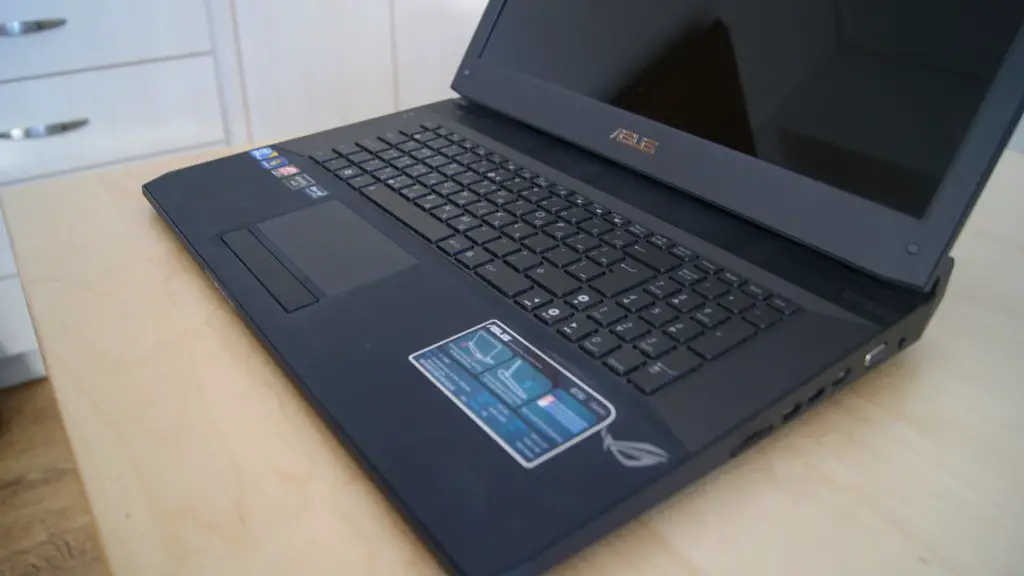
It is also important to make sure that your graphics card is compatible with your existing peripherals. For instance, if your monitor only supports HDMI then make sure that your graphics card has an HDMI port. Additionally, if you plan to use multiple GPUs then you need to make sure that your motherboard supports multi-GPU setup.
Upgrading your graphics card can dramatically improve your gaming performance, but it can also be expensive. Therefore, it is important to do your research and find the best option for your budget and performance requirements.
Upgrading Your Power Supply Unit
The power supply unit (PSU) is an important factor when it comes to PC gaming performance. Insufficient power output from the PSU can cause instability and hardware failures, so it is important to make sure that you have an adequately powered PSU.
When shopping for a new PSU, it is important to make sure that it is powerful enough to handle the components in your system. You should also avoid buying more wattage than you need as this can be a waste of money. Generally, 500W is sufficient for most gaming rigs, but if you plan to use multiple GPUs then you may need something more powerful.
Additionally, compatibility is also an important factor to consider when upgrading your PSU. Modern PSUs come in a variety of form factors and may require an additional bracket to fit in your case. Make sure that the PSU you buy is compatible with your existing case and comes with the necessary cables for your components.
Finally, noise can also be an issue with PSUs. Modern gaming PSUs are designed to be quiet but if you are particularly sensitive to noise then you should look for a silent or semi-silent power supply.
Upgrading your PSU can ensure that your gaming PC is able to run efficiently and perform better. While it may be a daunting task, it is important to make sure that you have the right PSU for your system.
Conclusion
Upgrading your gaming PC is an important part of maintaining optimal performance and can allow you to enjoy the latest games on higher settings. However, it is important to do your research before upgrading and make sure that you have an understanding of the components that you will need. Additionally, you should also focus on the parts that will provide the most significant improvements to your gaming performance.
