Building a gaming PC for just $2000 may seem like an impossible task. But with the right components and a little know-how, it’s definitely doable. Here’s how to get started:
Firstly, pick your components. If you’re looking for high-end performance in your gaming PC, you’ll want to pick components that can pull off tasks like video editing and graphics rendering with ease. Start by choosing a powerful processor – an Intel Core i5 or an AMD Ryzen 7 – as well as a good graphics card – either the NVIDIA GTX 1660 or the AMD RX 5700. You’ll also need to consider RAM, storage, and other components — spending under $200 on each of these parts.
Secondly, buy your components. You can find good deals online on sites like Newegg, Amazon, and TigerDirect. Once you’ve found the components you want, make sure to check them against each other to make sure that they are compatible with one another. For example, make sure that the processor’s socket type is compatible with the motherboard you’ve chosen.
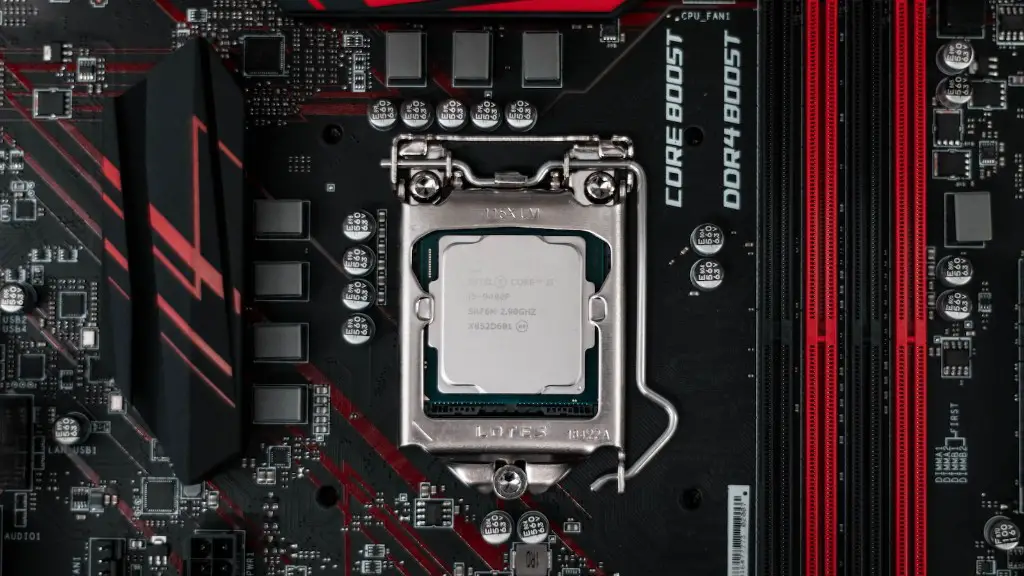
Thirdly, assemble the pieces. When you have all your components ready, it’s time to put them together. Make sure to read the manuals that come with each part – you don’t want to damage any of them. Also, be sure to ground yourself when building the PC to avoid any static electricity damage.
Fourthly, install an operating system. You can’t run a PC without an OS, and you’ll want to get one that’s optimized for gaming. Windows 10 is the most popular choice – though you may also want to consider Linux, which is also popular for gaming.
Fifthly, install games. Once your OS is up and running, you’ll need to download and install your favorite games. Depending on your game selection, you may need to upgrade your RAM and storage, so make sure to look out for any performance bottlenecks while doing this.
Sixthly, customize the setup. Tweaking your gaming PC’s performance is an important step in getting the most out of it. You can optimize your system’s settings, upgrade to better cooling, or even overclock the processor. Be sure to do your research on this step – you don’t want to risk damaging your components.
Seventhly, enjoy your gaming PC. Now that all the hard work is done, you can kick back and enjoy the fruits of your labor. You should be able to get several years of tax-deferred gaming performance out of this machine – and it’s only going to get better with time.
Managing Overclocking
Overclocking is an important part of getting the most out of your gaming PC. By pushing the processor’s clock speed higher, you can get an extra performance boost and make your games run even smoother. But overclocking can be risky – you could damage your processor and other components if you don’t do it correctly. Here’s how to manage overclock your PC safely and effectively.
Firstly, familiarize yourself with the concept. Before you do anything, you’ll want to become familiar with the basics of processor overclocking. Do some research on the subject, read some tutorials, and watch some videos on the topic. Don’t be intimidated – it’s really not as complex as it seems.
Secondly, research suitable overclocking settings. You’ll want to use stable settings for your overclock, based on the specific hardware in your PC. You can look for pre-defined settings online, or create your own based on your benchmarks.
Thirdly, back up your system. Before you start pushing your processor to higher clock speeds, it’s important to make sure you have backups of all your important data. That way, if something goes wrong and you have to reset the system, you won’t lose important files.
Fourthly, use a desktop environment. If you’re not comfortable working with the Windows command line interface (CLI), you’ll want to use a desktop environment like MSI Afterburner. This makes it easy to adjust your overclock settings and monitor the processor’s performance.
Fifthly, regularly monitor your system’s temperature. Make sure to use temperature monitoring software to check how well the processor is managing the increased workload. If the temperature of any component gets too high, you’ll want to turn down the overclocking settings or invest in better cooling.
Sixthly, keep a record of the changes. For each change in the overclocking settings, keep a record of the processor’s performance. That way, you’ll be able to detect any issues early on and make the necessary adjustments.
Seventhly, be willing to experiment. As you become more familiar with the process, you’ll be able to identify which settings work best for your specific gaming PC. Don’t be afraid to experiment – you never know what kind of performance gains you could make.
Managing Storage
When building a gaming PC, you’ll need to consider how much storage you’ll need. You’ll be downloading and installing a lot of games, which will add up quickly. But not all storage is the same – here’s how to manage your storage effectively.
Firstly, identify the type of storage you need. Do you want to use a solid-state drive (SSD) or a hard-disk drive (HDD)? An SSD is faster but more expensive, while an HDD can give you more storage space with a slower access speed.
Secondly, find good deals on storage. Storage components can be expensive – make sure to shop around and look for good deals online. Look for sales, discounts, and special offers that can help you get more value for your money.
Thirdly, install the storage components. Install your storage components following the instructions in the manual – this isn’t something you want to just guess at. Make sure that everything is properly connected and that the USB ports are working properly.
Fourthly, partition the storage. When your storage is ready to go, you’ll need to partition it into functional areas. You can use the Windows Disk Management Tool to do this – it’s much easier than the command line interface.
Fifthly, create a backup strategy. It’s important to have a plan for backing up your files – you don’t want to lose all of your progress if something goes wrong. Look into creating an off-site backup as well as a local one.
Sixthly, employ compression tools. You can compress your game files, saving you some much-needed storage space. This is especially useful if you have an SSD – they don’t have much storage space to begin with.
Seventhly, use cloud storage. By storing the games you don’t play often in the cloud, you’ll free up some of the local storage. You won’t be able to play when you don’t have an internet connection, but it’s a great way to get an extra performance boost when you’re in a pinch.
Managing Cooling
Overheating can be a major issue with gaming PCs – the hardware is under a lot of stress, and if it gets too hot it could cause serious damage. That’s why proper cooling is essential – here’s how to manage your gaming PC’s cooling setup.
Firstly, identify the components that need to be cooled. Generally, the processor and graphics card need the most cooling. You can also look into cooling the RAM and other components – but these tend to run cooler and thus don’t require as much cooling.
Secondly, find good cooling solutions. You’ll need to invest in quality cooling components – look for fans, radiators, and pumps that can handle the thermal output of your PC’s hardware. Also, make sure that the cooling hardware you choose is compatible with your components.
Thirdly, install the components. Make sure to follow the instructions that come with the cooling components – you don’t want to damage any of them. Pay attention to the fan speed as well – it’s best to keep the noise level as low as possible.
Fourthly, use monitoring software. Look into downloading a software package that can monitor your system’s temperature. This will help you identify any heating issues that might be causing a bottleneck in your system, allowing you to make adjustments to the cooling setup before it’s too late.
Fifthly, tweak your settings. If you find that your processor is running too hot, try tweaking the CPU’s settings to reduce the amount of power it requires. You may also want to adjust the fan speed – by running faster, they can help cool down the system faster.
Sixthly, clean the components. Make sure to clean the inside of your PC regularly – dust can build up and block air vents, which in turn will reduce the efficiency of the cooling setup. You can use a gentle vacuum for this step – just make sure to take care when cleaning.
Seventhly, invest in upgrades. If your current cooling setup isn’t sufficient for your gaming needs, you may need to invest in better cooling hardware. Liquid cooling systems can provide far better cooling than air coolers – though they can be expensive.
Managing Upgradeability
Your gaming PC won’t be top of the line forever – eventually, you’ll need to upgrade the components to keep up with the rapidly changing landscape. But upgrading your gaming PC can be difficult if you don’t know the basics – here’s how to go about it:
Firstly, identify the components you may need to upgrade. Start by looking at the most important components – the processor, graphics card, and RAM. If any of these are looking outdated, they’re likely your first candidates for an upgrade.
Secondly, research the components that you need. Look into the latest and greatest components – compare benchmarks and read reviews to find the best one for your needs. Don’t forget to consider their power requirements and compatibility with your existing components.
Thirdly, purchase the necessary components. Once you’ve identified the components you need, shop around for good deals. You can find some amazing deals on sites like Newegg and Amazon – just make sure to double-check the specs before making the purchase.
Fourthly, take stock of the components you’re replacing. Before you start tearing down your PC, make sure to label your components and keep track of their connections. This will save you time when reassembling the PC later.
Fifthly, disassemble your PC. Follow the instructions in the manual on how to safety take apart your gaming PC. Take pictures along the way to make reassembly easier.
Sixthly, remove the existing components. Physically remove the components you’ll be replacing – taking note of the spacers and screws used. Make sure to clean off the contact points to ensure a good connection.
Seventhly, install the new components. Check the components you’ll be installing against the existing ones to make sure that they are compatible. And make sure to ground yourself so you don’t damage the components with static electricity.
