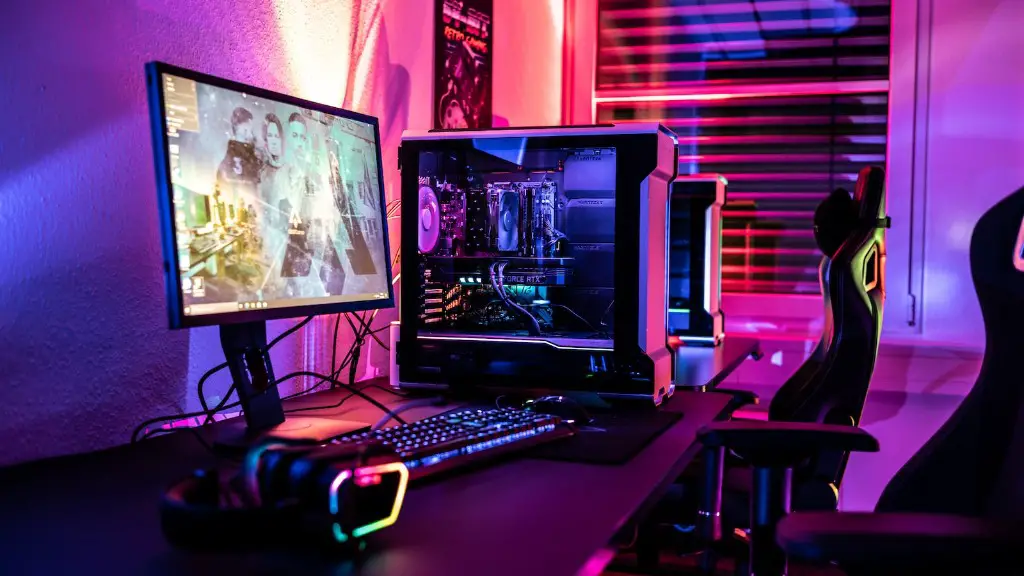
A gaming PC case is an enclosure that houses all the components of a computer system. It has a large form factor and usually provides ample space for all the components to fit securely while allowing airflow and access to the ports and connectors. A good gaming PC case is one that offers features that help to maximise performance and visuals. This includes ample airflow and cooling, plenty of space for additional components, dust filters and removable dust filters, supports to mount fans and radiators, RGB lighting, and other features. To help you pick the perfect gaming PC case, here are some things to consider:
Size & Layout
When choosing a gaming PC case, the main factor to consider is size; the larger the case, the more space there is for components, and the more creative you can be with its layout. ATX cases come in a variety of sizes, from tiny Mini-ITX form factor cases to mid-sized and full-sized towers. It’s important to make sure you have enough room for all the components, taking into account the CPU cooler, GPU, power supply, drive bays, and any extra accessories.
Cooling
Another important factor for choosing the best gaming PC case is cooling. Not only does it need to be able to cool all the components well, but it should also have plenty of additional space for mounting fans and radiators. Look for a case that has good airflow, dust filters, and removable dust filters. Some cases even come with pre-installed fans or liquid-cooling support.
Design & Looks
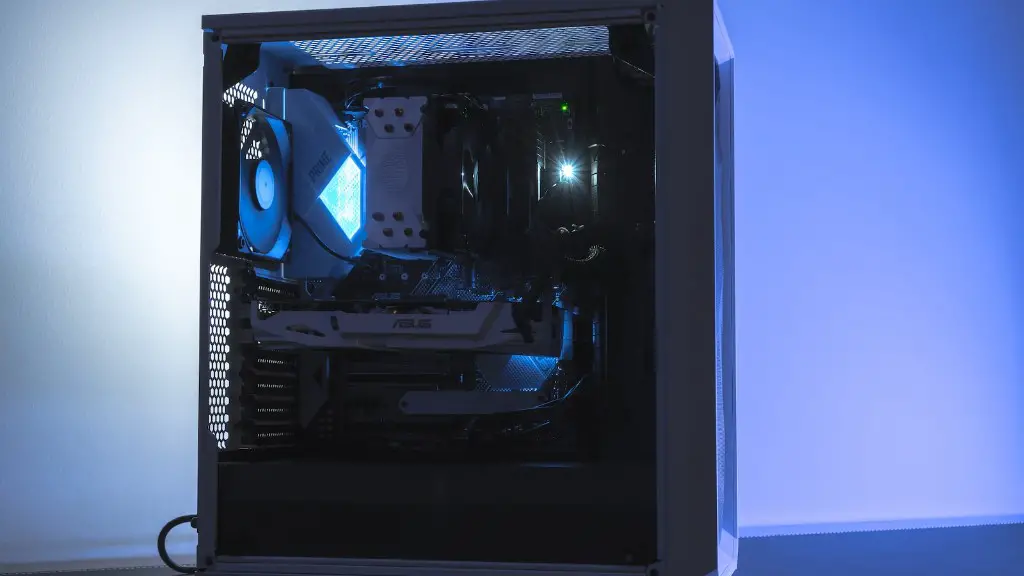
One of the great joys of gaming is customising the look and feel of your gaming rig, and a good gaming PC case should complement that. Look for cases that have features such as tempered glass panels, RGB lighting, intricate designs, and customisable parts. This will help your rig stand out from the crowd.
Connectivity
The layout and number of ports and connectors can also make or break a gaming PC case. Make sure it has enough ports for your components, including audio and USB ports, as well as ports for HDMI or DisplayPort. It should also have enough room for additional drives, such as M.2 SSDs and optical drives.
Additional Features
There are tons of other features to consider when buying a gaming PC case. Look for features such as tool-less design, ease of installation, cable-routes and channels, and the ability to attach additional components. If you’re purchasing a full-sized tower, consider if it’s capable of supporting massive GPUs and multiple radiators.
Pricing
Last but not least, consider the price of the case. Some high-end cases can be expensive, while budget cases can be surprisingly good. Look at reviews to find the most bang-for-buck.
Conclusion

Choosing the ideal gaming PC case can seem overwhelming, but it doesn’t have to be. Consider your budget, size and layout, cooling, design and looks, connectivity, and additional features. By doing so, you’ll find the perfect case to fit your gaming needs.