Most gamers would agree that PCs are preferred for gaming over laptops for a variety of reasons. Firstly, PCs come with more options for customisation. This lets gamers change their hardware and personalise their systems to what best suits their gaming needs. While laptops can be customised, most have limited hardware options available. Laptops also have stricter temperature & power consumption limits, meaning PCs have the potential for higher performance. Secondly, desktops tend to be more cost effective when it comes to creating a gaming machine. PCs are built to be cost effective and high performing, whereas creating a good laptop setup with the same gaming performance isn’t usually as cost effective or as easy.
Thirdly, and most importantly, PCs come with larger screens that are usually more suited to gaming than the smaller, 13-15-inch laptop screens. For many gamers the immersion factor of larger screen sizes is one of the most important things when shopping for a gaming setup. PCs also have better cooling and fans, making them run more reliably and quietly compared to laptop fans that have to contend with more cramped, restrictive space.
With all of that being said, laptops can be a practical option for gamers with limited space, or who like to game on the go. Laptops are often more convenient than lugging around a bulky PC setup, although they come with some drawbacks as mentioned earlier. Also, when playing at home or in a dorm, plugging your laptop into a bigger screen can help, but most gaming laptops aren’t designed to work with large monitors.
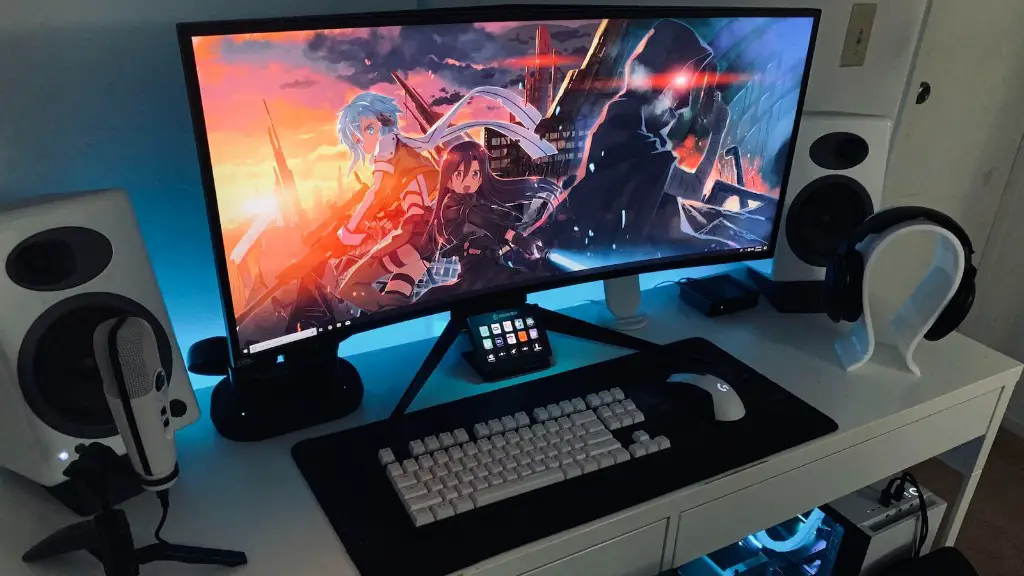
Overall, a gaming PC is a better option for most gamers than a laptop. PCs have better performance, customisation options, larger screens, and better cooling fans. Laptops do have their advantages and can be more convenient for gaming on the go, but overall desktop PCs are better suited for hardcore gamers.
Customization: Gaming PCs vs. Laptops
When comparing gaming PCs and laptops, one of the most important gaming-related factors is customisation. With desktops, gamers have more options for hardware upgrades depending on their gaming needs. For example, gamers can upgrade the RAM, CPU, GPU, and hard drives on their PCs, all of which can improve gaming performance. On the other hand, laptops usually come with limited options for hardware upgrades, meaning their gaming performance can’t usually be improved to the same extent.
Furthermore, many gaming laptops come at a premium price, making them costlier than some desktop gaming PCs. This is due to the additional costs associated with making laptops more compact and lighter than desktops. This is especially true when looking at higher-end gaming laptops that come with powerful hardware, or gaming laptops with slim chassis designs.
In addition to hardware upgrades, PCs can also benefit from more efficient cooling solutions. Since desktop PCs have more space for fans and radiators, the cooling system can be tailored specifically for gaming, meaning more performance and less overheating. Laptop cooling solutions, on the other hand, are often inadequate for gaming since these are more tightly constrained to fit within the laptop’s chassis.
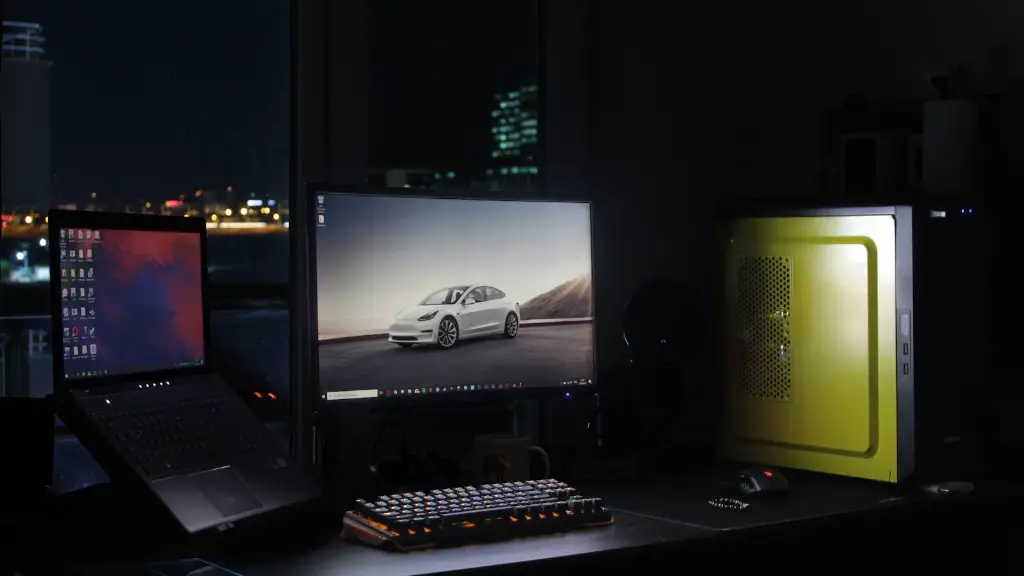
Finally, one of the biggest advantages that desktop gaming PCs have over laptops is their aesthetic appeal. While laptops come in a variety of designs, desktop PCs can be personalised with custom-made cases, cooling solutions, lighting, and other parts to make them look more visually appealing. This adds to the gaming experience and can make playing games feel more immersive.
Performance: Gaming PCs vs. Laptops
When it comes to performance, gaming PCs have the advantage over gaming laptops. This is due to the fact that gaming PCs can be customised with the latest hardware, whereas most gaming laptops are limited in terms of hardware upgrades. Furthermore, gaming PCs can usually be made to be more cost effective than gaming laptops due to lower parts costs.
In addition to hardware performance advantages, gaming PCs also have better cooling compared to gaming laptops. Since desktop PCs have more space for cooling components such as fans and radiators, cooling performance can be easily tailored to best suit the hardware specs. Laptop cooling solutions, on the other hand, tend to be more inadequate since they cannot use as many cooling components due to space restrictions.
Furthermore, with gaming PCs you can use multiple displays and larger monitors for a more immersive gaming experience. Gaming laptops, on the other hand, are limited to smaller, 13-15-inch screens. Also, PC gamers can usually take advantage of better gaming peripherals like keyboards and mice, whereas laptop gamers often have to settle for smaller and less accurate laptop versions.
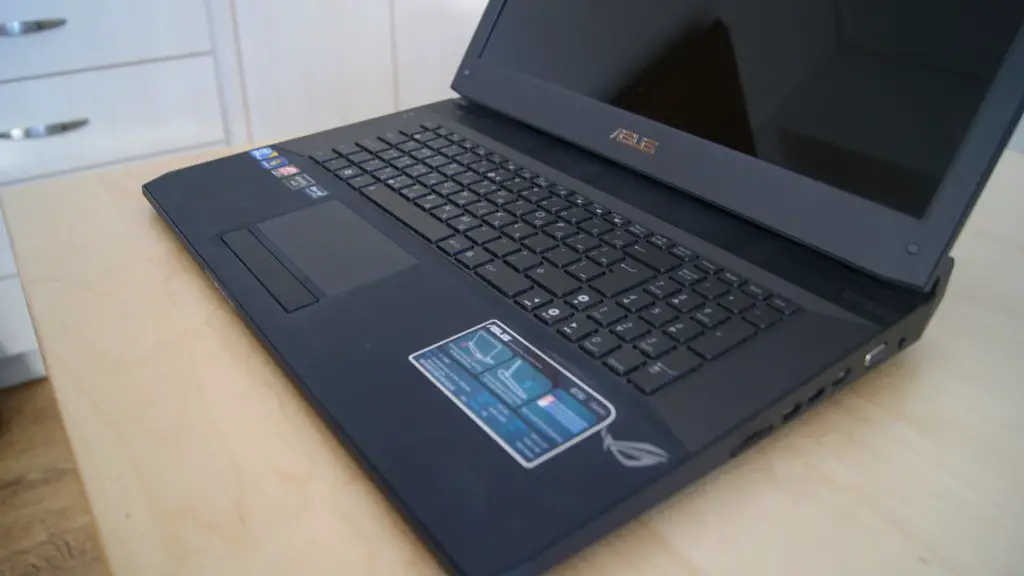
Finally, PCs can also benefit from upcoming software updates and the latest games, whereas most gaming laptops are limited in terms of software and game support due to their outdated hardware configurations. This means PCs will usually run games faster and more efficiently than gaming laptops, making them a better choice for most gamers.
Price: Gaming PCs vs. Laptops
When it comes to price, PCs tend to be the more attractive option for gamers. While gaming laptops have the convenience of being portable, they tend to come with a price premium. This is due to their high-end hardware configurations, slim chassis designs, and premium materials that are used to make them more portable.
On the other hand, gaming PCs can be more cost effective. Building a gaming PC from scratch isn’t too difficult, and buying parts from retail stores isn’t as expensive as buying a complete gaming laptop. Furthermore, when building a gaming PC you have more options for hardware upgrades, meaning you can tailor the specs to best suit your gaming needs.
In terms of performance, PCs will usually outperform gaming laptops. This is due to the fact that you can upgrade almost any part of the PC and make it as powerful as possible. On the other hand, gaming laptops usually come with limited upgrade options, meaning their performance will likely stay the same over time.
Finally, PCs are more upgradable over time. This means you won’t have to buy a completely new system every few years if you want to stay up to date with the latest games. Plus, as technology advances you can also upgrade your PC with the latest components, whereas this isn’t usually an option with gaming laptops.
Convenience: Gaming PCs vs. Laptops
When it comes to convenience, gaming laptops are usually the better option. As mentioned earlier, laptops are portable and can be taken with you on the go. This is especially useful if you’re a frequent traveller or need to work on the go. Furthermore, some gaming laptops come with features like foldable displays and smaller chassis sizes, making them even more portable.
On the other hand, gaming PCs are limited when it comes to transportability, as they have to be disconnected from the power source and other peripherals to move them around. This can be quite inconvenient, especially if you’re travelling or attending LAN parties.
Furthermore, gaming PCs require more space compared to gaming laptops. This may not be an issue for some people, but for those with limited space, having a large gaming PC setup may not be the best option. On the other hand, gaming laptops are much more space efficient, allowing them to be hidden away in a backpack or carried around without taking up too much space.
Finally, gaming laptops come with built-in webcams and microphones, making it easy to make video calls or jump into a meeting without having to attach additional devices. On the other hand, gaming PCs may require additional accessories to work with webcams and microphones, making them less convenient in these situations.
Conclusion
Overall, the best option between gaming PCs and laptops depends on your gaming needs and preferences. If you’re looking for better performance, customisation options, larger screens, and better cooling fans, then a gaming PC is a better option. On the other hand, if you’re looking for a more convenient setup for gaming on the go, then a laptop may be the better choice. It all comes down to what works best for you.
