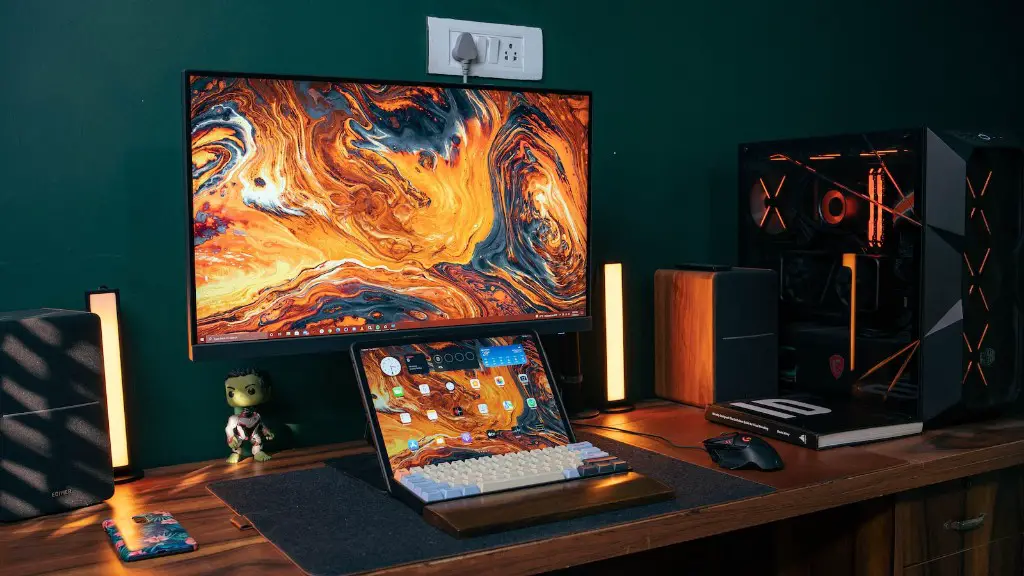
Maintaining a cool gaming PC is important to ensure optimal performance, longevity and safety. With decent cooling, your components will stay calm during those intense gaming sessions. Here is a step-by-step guide on the best ways to keep your Gaming PC cool:
1. Check Your Cooling System: It’s important to invest in a good quality CPU cooling pump and fan setup, as well as a GPU cooling system to optimize heat dispersion. Additionally, make sure your cooling fans are all functioning normally and are not clogged with dust.
2. Monitor The Temperatures: Invest in a program that can monitor the temperatures of all your PC’s components and the ambient air in your setup. This way, you can identify any problem areas that may require additional cooling.
3. Limit Ambient Heat: Make sure your gaming PC isn’t kept in a warm environment. Try to keep it away from direct sunlight, in a well-ventilated area, and try not to leave anything blocking the airflow.
4.Don’t Block Vents: Make sure you don’t block any vents on your PC or leave any objects that can interfere with the airflow. This will help keep your PC cool under load.
5. Keep Your System Clean: Dust can lead to clogged vents, so make sure you clean your PC regularly. Use a vacuum cleaner or compressed air can to remove dust with ease.
6. Improve Your Case’s Ventilation: If you have a case that isn’t well ventilated, consider upgrading your case and adding additional fans. This will help circulate air to keep your components cool.

7. Make Sure Your Fans Are Working: Fans are the most important components of a cooling system, and if they are not working or spinning properly, your system will struggle to stay cool.
Cooling Your CPU
The CPU is the most important element of your gaming PC and needs to be well cooled. A good quality CPU cooling pump and fan setup is the best way to keep your CPU temperature cool. Make sure to monitor your CPU’s temperature using a program to check if it is staying within the recommended temperature range.
Also, make sure you have adequate case ventilation to help circulate cool air around the inside of your case. Maintaining a cool CPU temperature is essential to ensure optimal performance and longevity of your gaming PC.
Invest in high-quality CPU cooling liquid or thermal paste to help with cooling your CPU. If your PC’s cooling solution applies thermal paste, make sure to replace it every few months or so to improve cooling performance. Additionally, making sure your CPU fan is clean and spinning properly can help decrease its temperature.
Having good airflow within the case can help reduce temperature and make sure the cool air reaches your CPU. You can also use additional fans to improve airflow or a liquid thermal cooler to help dissipate heat more efficiently.
Finally, if your CPU temperature is still too high, you can invest in a new cooling solution such as a larger fan or liquid cooler.
Cooling Your GPU
Your GPU is the most temperature-sensitive component in the PC, and keeping it cool is essential for its longevity and performance. Invest in a good GPU cooling system, such as a CPU cooler, fan cooler or liquid cooler. Make sure your GPU’s cooling fans are working properly and not clogged with dust.
Monitor your GPU’s temperature using a program and try to keep it within the manufacturer’s recommended temperature range. If your GPU is getting too hot, you may need to invest in a larger GPU cooling fan or a liquid cooling system.
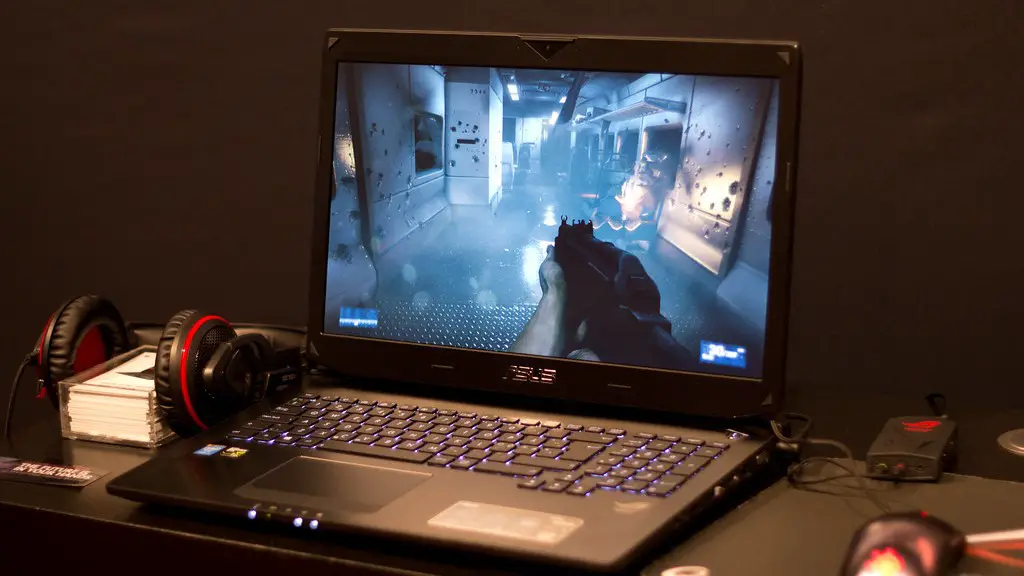
If your GPU is having trouble dissipating heat, make sure your case is well-ventilated and there is nothing blocking the airflow. Improving the case airflow can help cool your GPU and increase its performance.
If you have an enclosed case, you can also use additional fans to increase airflow. Aside from cooling your GPU, you also need to make sure it is clean. Use canned air or a vacuum cleaner of compressed air to blow out the dust from the fans and heatsinks.
Finally, invest in a good quality thermal paste or cpu cooler to help with cooling your GPU and optimize heat dissipation.
Cooling Your Computer Case
A well-ventilated case is essential for cooling your PC. Invest in a case with ample ventilation and additional fan slots for improved airflow. If the case does not have built-in fans, purchasing separate fans can be a good solution. Try to make sure the case is not exposed to direct sunlight and is kept in a cool environment.
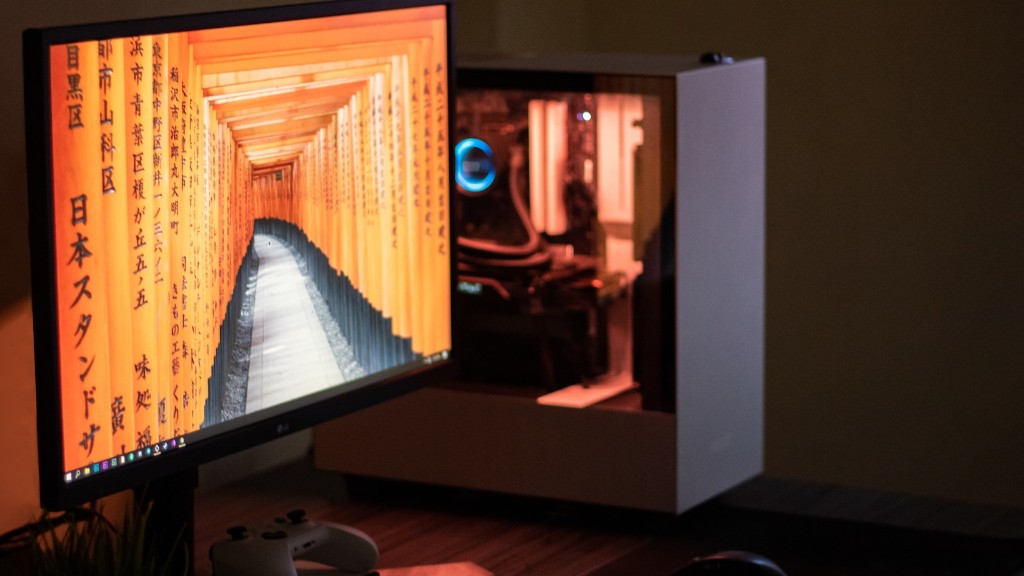
It is also important to make sure the fan filters are clean and not clogged with dust. You can use canned air or a vacuum cleaner to blow out the dust from the fan filters. Additionally, make sure there is nothing blocking the airflow at the front or back of the case.
Finally, if you have an enclosed case, you can add additional fans to improve airflow and reduce temperature. Ensure the fans are running at maximum speed to achieve best results.
Safe Gaming Temperatures
Every component in your gaming rig has its own recommended safe temperature range. Keep an eye on your components using control programs and make sure their temperatures are staying within the manufacturer-provided guidelines.
Monitoring temperatures is important, as it allows you to identify any potential problems before they become critical. Keeping your components cool helps regulate the overall temperature of your system, and contributes to the longevity of your components.
If your components are running too hot, you can use a hybrid cooling system to keep them cool. This might involve adding additional fans to improve airflow or investing in a liquid cooling solution.
It is also important to make sure your ambient temperature is not too high. Keep your PC in an area that is well-ventilated and away from direct sunlight. You should aim to keep the ambient temperature between 18 and 22 degrees Celsius.
Noise Reduction
Having a cooling system that makes minimal noise can play an essential role in maintaining your gaming system and keeping it cool. Invest in high-quality, silent fans that don’t make too much noise when running.
If you need additional fans for cooling, make sure to invest in PWM fans that can adjust the fan speed depending on the heat output. Additionally, look for cases that come with sound dampening materials to help reduce the noise of the fans.
You can also invest in a fan controller to adjust the speed of your fans to help keep your system cool while being quieter. This can be especially useful if your PC is too noisy while gaming.
Finally, if your system is extremely loud, you can consider using custom fan curves, liquid cooling and additional fan filters to reduce noise and improve the overall performance of your setup.
