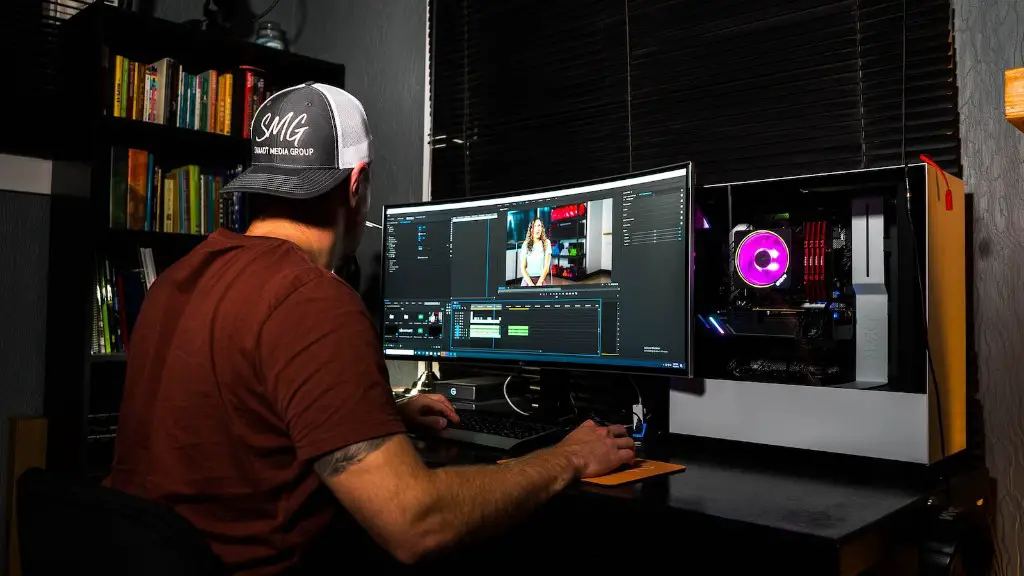
When debating the merits of buying a gaming PC or a console, it is important to consider cost, variety, and performance. Cost-wise, an Xbox or PlayStation can be had for as little as $299 USD, and a gaming PC, depending on the parts, can range from $1000 – $3000 USD in order to achieve the same level of performance. Variety-wise, consoles have the advantage of an ever-increasing library of exclusive titles and different play-styles, while gaming PCs can have more of open-ended options that are limited only by the components chosen. Performance-wise, where PCs may have an edge, is the ability to upgrade individual components of the system over time, potentially allowing for a machine that is future-proof and capable of handling the demands of newer gaming titles.
Benefits of a Gaming PC Over a Console
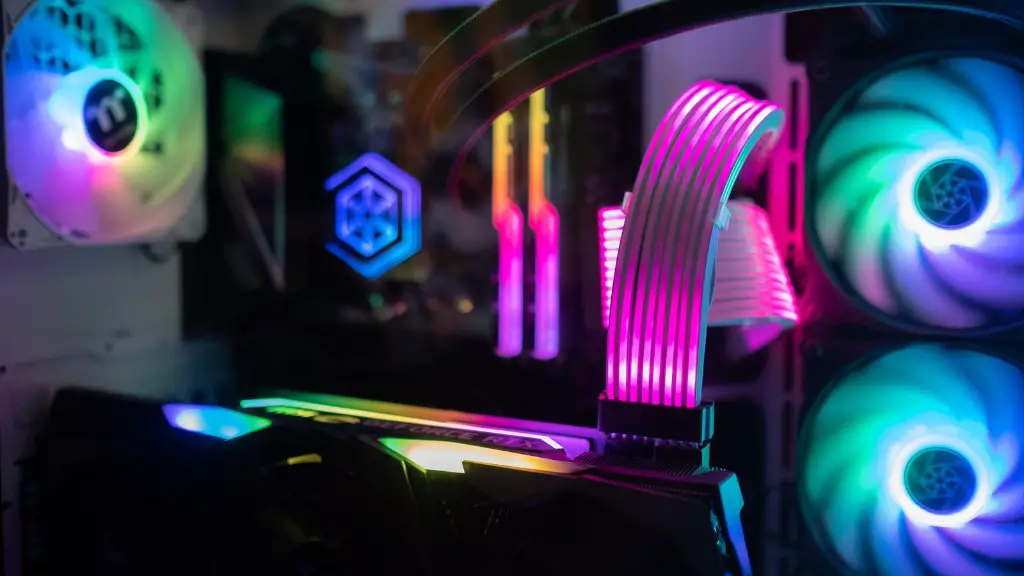
Although consoles are typically a better choice for casual or cooperative gaming, for those looking for a powerful machine for higher-end gaming or eSports, a gaming PC may be the better option. A major benefit of gaming PCs over consoles is the ability to customize the hardware for optimized gaming performance. Consoles typically have a fixed hardware configuration, so their performance cannot be improved upon, whereas with a gaming PC, one can upgrade a CPU, graphics card, or other components. This allows gamers to stay ahead of the game when it comes to having the most up to date hardware available in order to get the most out of the newest games.
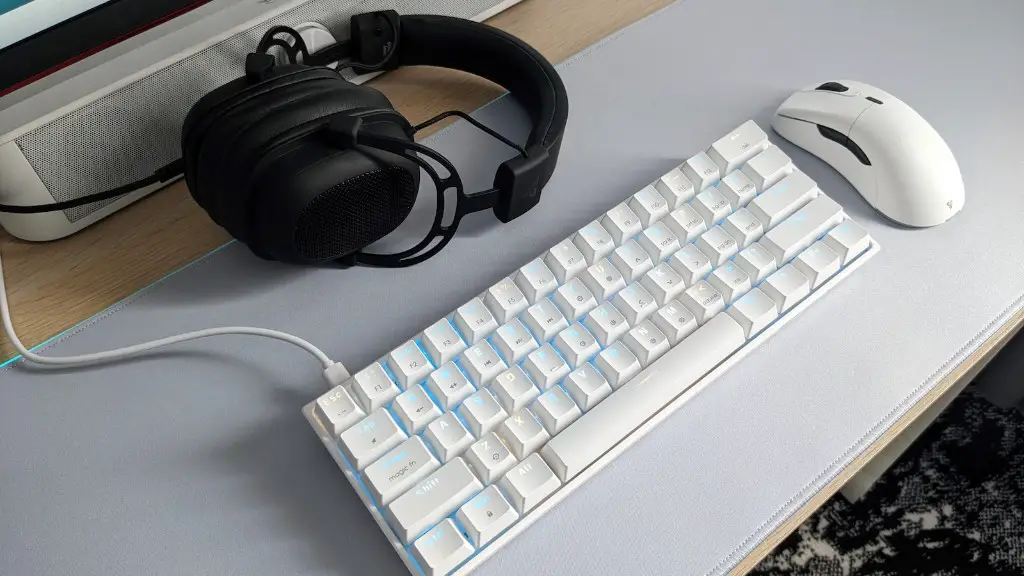
In addition, many gaming PCs today come with a plethora of ports, allowing users to get the most out of their gaming experience by connecting an array of peripherals, such as racing wheels, joysticks, audio interfaces, and virtual reality headsets. This is not an option with most consoles, as they are limited to the peripherals they are designed to work with. Finally, a gaming PC usually has a longer lifespan than a console due to its ability to be upgraded over time.
Benefits of a Console Over a Gaming PC
On the other hand, gaming consoles have a definite advantage when it comes to price, ease of use, and variety of titles. Consoles are considerably less expensive than gaming PCs, and can be had for a fraction of the cost of even a mid-range gaming PC. Additionally, consoles are easier to set up than a PC, as most systems come pre-configured with the necessary hardware and software required to play games from the manufacturer. This eliminates the hassle of assembling the individual components and configuring the software.
In terms of variety, consoles have the edge with an ever-growing library of exclusive titles, ranging from high-budget AAA games, to smaller indie games. Finally, gaming consoles have specific game modes designed to work with certain accessories, such as PlayStation Move controllers, or the Kinect on the Xbox One. This provides a unique gaming experience not available on gaming PCs.
What to Consider Before Buying?
When deciding whether to buy a gaming PC or console, it is important to consider each system’s pros and cons. Gaming PCs are generally more expensive, but offer superior performance, easier upgrades, and a greater variety of peripherals. On the other hand, gaming consoles offer an easier setup process and an ever-growing library of exclusive titles. Ultimately, it is up to the individual to decide which system is better for them.
Buying Used Vs. Buying New
An additional factor to consider is the potential for buying used gaming PCs or consoles. Buying used can significantly lower the price, and for consoles, this may be the best option if one wishes to experience a large number of exclusive titles. However, with gaming PCs, there may be compatibility issues with used hardware due to the ever-evolving nature of gaming technology. Therefore, if one wishes to benefit from the best performance, it is usually better to purchase a new gaming PC.
Experiencing the End-Product
Finally, when deciding between a gaming PC and console, it is important to experience the end-product in order to make an informed decision. If possible, try to get hands-on experience with each system and the respective titles. This can provide a better understanding of the various features and capabilities of the different systems, ultimately helping one make the best decision given their own circumstances and preferences.
Experience With Friends
Along with seeing the technical performance, it is also important to look at the type and number of titles each system offers. As gaming consoles are usually more suited to cooperative or casual gaming, it may be beneficial to purchase one if one wishes to have more of a social gaming experience with friends. Many console titles are designed to be played together, and offer a range of multiplayer game modes.
On the other hand, if one wishes to focus more on competitive gaming and solo play, then a gaming PC may be the better choice, as these typically offer a greater variety of high-end single-player titles and a plethora of modding options. Finally, if one wishes to stream or record their gameplay or to try their hand at eSports, then a gaming PC would be the preferred choice.
Cost vs. Benefits
As mentioned previously, cost can play a major factor when deciding whether to buy a gaming PC or a console. For those on a tighter budget, a console may be the better option; however, one should also consider the potential return-on-investment when making an investment in a gaming PC. Depending on the components chosen, the cost of a gaming PC can range significantly. Therefore, it is important to be aware of the pros and cons of each system before making a purchase.
A gaming PC may have a higher initial cost than a console, but its upgradeability can often make up for the difference. With a gaming PC, one can usually upgrade certain components to extend the life of the system. This may save money in the long-run, as the system need not be replaced as often, and one can keep up with the latest gaming trends.
Overall, when deciding between a gaming PC or console, it is important to consider cost, variety, and performance. There is no “right” answer when it comes to which system is better; however, with the help of research and personal experience, one can make an informed decision when it comes to which type of system is best for them.
