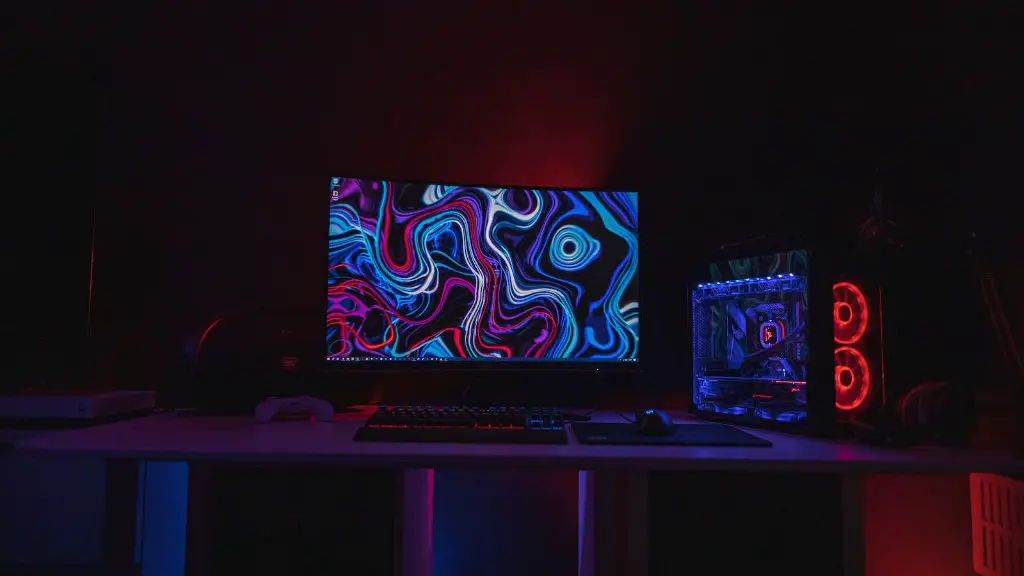
The prospect of connecting a gaming PC can feel overwhelming if you’re not well versed in technology, but with the right knowledge it can be done in no time. First and foremost, you’ll need to consider what components you need and how to choose the most ideal for your set up. From basic components like peripheral devices, RAM and graphics cards to the more specialised components such as gaming liquid cooling systems.
Assembling the gaming PC is fairly easy. Start by assembling the CPU, ensuring that the motherboard is seated properly and securely. Secure the CPU fan with the 4 screws provided. Next, attach the power supply to the motherboard and connect the power cables to the motherboard. Now, install the RAM and graphics card into the slots that your motherboard provides.
Next, take the hard drive and connect it to the SATA port on the motherboard. You can use an IDE cable if necessary. Connect the power supply to the hard drive and then plug the monitor and peripherals into the USB ports of the motherboard. Finally, connect your Internet connection.

Now you’re ready to set up your operating system. This can be done in various ways depending on the PC make and model. Generally, you will need to boot from a CD or DVD of your preferred operating system. Once the drives are installed, you will be prompted to choose the type of operating system you want. Choose the most suitable for your gaming PC needs.
All you need to do now is make sure you have the proper software and hardware updates for your gaming PC. If you don’t have all the necessary software, check the manufacturer’s website for the latest updates. You may also need to update your graphics card, RAM or any other hardware. This can be done via a few simple clicks in the Device Manager.
Finally, you will need to set up the controls and audio properly. This can be accomplished by connecting the gaming peripherals, such as a joystick, headset and gaming mouse, to the appropriate ports on the back of the PC. You can also customize the audio settings so that you get the best sound quality. Once everything is connected, it is time to fire up the gaming PC and see if it all works.
Choosing The Right Components
After choosing the components for your gaming PC, the most important thing to consider is how well they will work together. It is always a good idea to research a certain brand or model before buying it, to ensure you get the best return on investment. With CPUs, you should check the processor speed, cache memory and RAM compatibility, as well as the motherboard’s connective ports and slots.
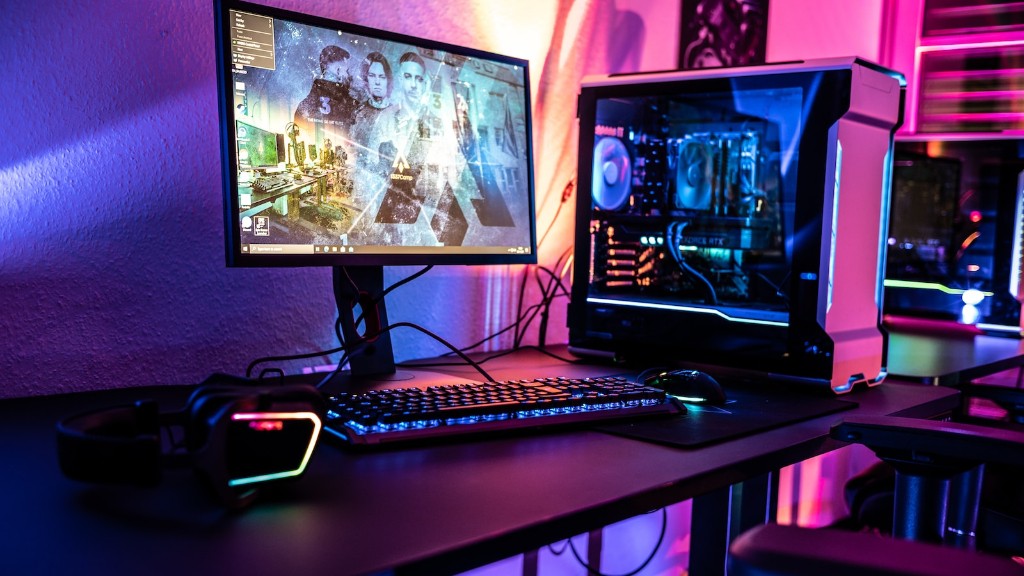
For graphics cards, you should look at the performance list, such as the 3DMark scores, and determine the best GPU for the job. When selecting RAM, you should take into account the amount of RAM you need and the slots your motherboard supports. Finally, for peripherals and accessories, ensure you get the best quality components.
Testing Your Setup
Once everything is connected, it is a good idea to test the setup to make sure that everything works properly and you get the performance you expect. You can do this either by testing the components individually or by running stress tests, such as benchmarks and other game tests. In addition, check for compatibility issues and ensure the software and drivers are up to date.
Once your gaming PC is up and running, you should also make sure that the components are all compatible with each other and that your hardware is at its maximum potential. By playing small games, you are able to get an idea of the overall performance and make any necessary adjustments.
Additional Maintenance
Once you have determined that your gaming PC is performing as expected, it is a good idea to keep it running at its best. Regular maintenance and cleaning can help keep the system running smoothly and efficiently. Once a month, it is a good idea to do a thorough check up to make sure all the components are clean and functioning correctly.
Finally, make sure to get the latest drivers and updates for your gaming PC as soon as they become available. This will help ensure that your system remains up-to-date and at peak performance.
Tips For Keeping Your Gaming PC Running Smoothly
Aside from regular maintenance, there are also a few quick tips that can help keep your gaming PC running in top condition. First, make sure the exterior of the PC is kept clean, as dust and dirt can negatively impact the temperature and performance of the machine. Similarly, make sure that all the components are securely connected and running properly.
Second, it’s important to back up your data regularly, as any damage or loss to the system can be recovered quickly if you have a recent backup. Finally, it’s a good idea to install any new drivers or software updates as soon as they are available, as this will help keep the gaming PC running smoothly.
Common Problems With Gaming PCs
Some common problems that may occur while running your gaming PC include overheating, a lack of performance and sudden crashes. Overheating is typically caused by having inadequate cooling, so if you are experiencing this issue then it is a good idea to check the air vents and invest in a cooling system. A lack of performance can also be due to insufficient components or an outdated operating system, both of which can be easily updated.
Sudden crashes can be caused by an outdated driver, an incompatibility between components or a corrupted system file. If these occur then it is important to check that all the drivers and components are up-to-date. If the issue persists then it is a good idea to review the logs and try resetting the PC or formatting the drive.
Security Tips For Gaming PCs
It is important to ensure your gaming PC is secure, as it is more likely to be targeted by malicious actors due to the resources it has. It is a good idea to have a secure password and a firewall to protect the system from any potential threats. Similarly, antivirus software can help provide protection against any malicious attacks such as viruses, worms, or Trojans.
It is also important to keep your operating system updated with the latest security patches. This can be done through the ‘Windows Update’ feature, which is available in all versions of Windows. Additionally, monitoring the programs that are running on the PC can help identify any malicious programs that may be present.
Finally, it is a good idea to use a Virtual Private Network, or VPN, to add an extra layer of security to the PC. A VPN will encrypt all the data flowing on the PC, making it much harder for malicious actors to steal sensitive information such as passwords and financial data.