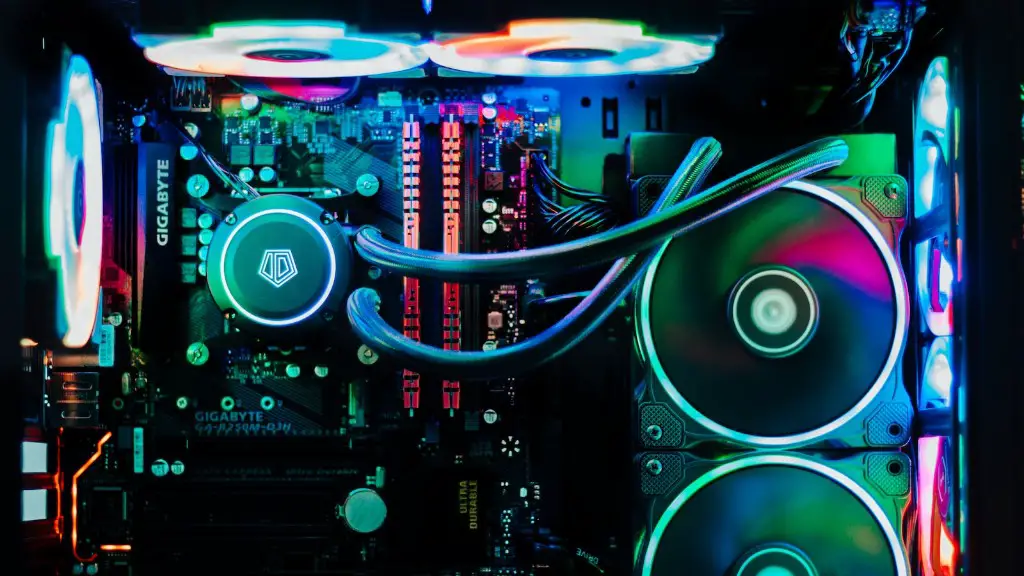
When it comes to gaming pc graphics cards, the most important factor to consider is the level of performance they are capable of delivering. The best graphics card for gaming should be capable of displaying high-definition images at high frame rates, as well as provide enough power for demanding video games. There are several key features to look for when deciding which graphics card is best for a gaming PC.
First and foremost, the most important element to look for when choosing the best graphics card for gaming is its Video Processing Unit (VPU). The VPU is responsible for the graphics card’s ability to render complex visuals and provide an immersive gaming experience. The more powerful the VPU, the better the graphics card’s performance will be.
In addition to the VPU, the other important aspect to consider when purchasing a graphics card is the memory. The memory of a graphics card determines the amount of data that can be processed and stored. Typically, graphics cards with more memory will offer better performance, allowing them to run more complex graphics and offer higher frame rates.
Finally, the type of interface that the graphics card utilizes is also important. Many gaming PCs utilize PCIe, or Peripheral Component Interface Express, for graphics cards. This type of interface offers higher bandwidth speeds than other types, which reduces latency and allows for more detailed visuals.
In summary, when selecting the best graphics card for gaming, you should consider the type of VPU, the amount of memory the card has, and the type of interface it uses. By taking these factors into consideration, you can compare different graphics cards and choose the one that offers the best performance for your gaming needs.
Memory
When it comes to gaming pc graphics cards, the most important factor to look at is the amount of onboard memory the card has. Typically, cards with more memory tend to offer better visuals, more complex graphics, and higher frame rates. To get the most out of your gaming experience, it is important to select a card that has enough memory to meet your gaming needs.
Memory plays an important role in graphics card performance because the more memory a graphics card has, the more data can be processed and stored. This means that more complex graphics can be handled without impacting performance and frame rates. As such, a graphics card with more memory will generally offer a better gaming experience by providing higher frame rates, more detailed visuals, and more immersive gameplay.

The type of memory the graphics card utilizes is also important to consider. Most modern graphics cards will be equipped with GDDR6 or GDDR5 memory, which offer higher bandwidth speeds, faster throughput, and lower latency. GDDR6 is ideal for gaming because it provides better performance compared to its predecessor, making it the preferred choice for gamers.
Finally, it is important to note that some graphics cards will come with additional memory, such as GDDR5X or HBM2. While these types of memory are not as commonly used in gaming pc graphics cards, they can offer additional benefits, such as higher speeds and better gaming performance.
Cooling
When selecting the best graphics card for gaming, it is also important to consider the type of cooling mechanism the card has. Graphics cards produce a significant amount of heat, which can lead to performance issues if not adequately addressed. Therefore, the cooling system of a graphics card is an integral part of its overall performance.
The type of cooling system utilized by a graphics card varies and includes air cooling, liquid cooling, and hybrid cooling. Air cooling is the most common type of cooling featured on graphics cards and involves using a fan to circulate air and keep components cool. Liquid and hybrid cooling systems involve using a liquid or a mixture of liquids to dissipate heat. This type of cooling offers better thermals and is less noisy, making it the preferred choice for gamers and enthusiasts.
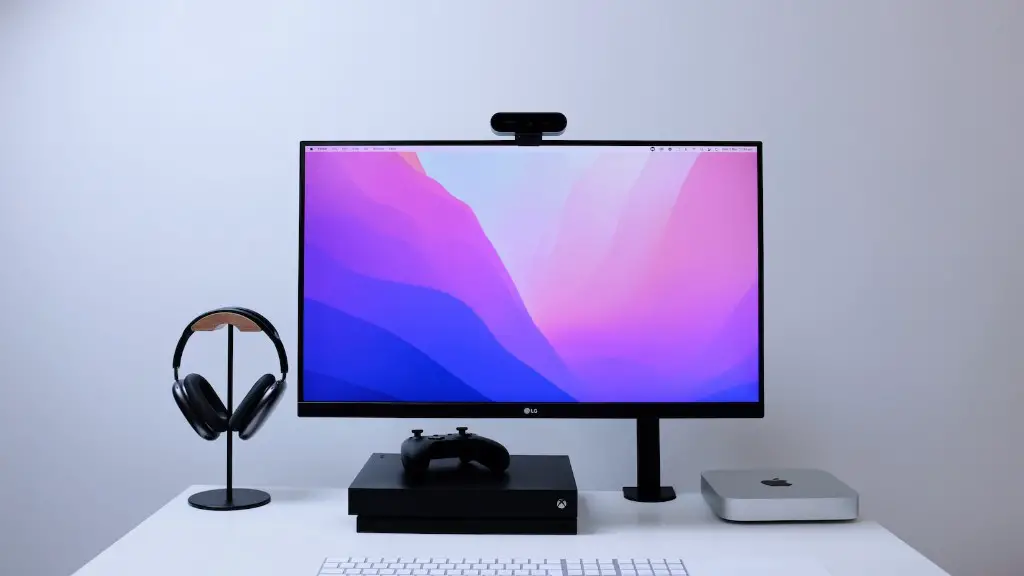
In addition to the type of cooling, it is also important to look at the design of the cooling system. A good design will ensure that the graphics card runs cooler and quieter, which will improve performance. Additionally, a well-designed cooler should keep the card running at its optimal temperatures, preventing thermal throttling and improving overall performance.
Finally, it is important to note that some graphics cards will also come with adjustable cooling settings. This feature can be useful for gamers who want to customize their cooling setup or overclock their GPUs. Adjustable cooling settings allow users to tweak the cooling performance to their liking, resulting in better performance.
Connectivity
The type of connectors a graphics card has is also an important factor to consider when purchasing a graphics card. Connectors such as DisplayPort and HDMI are common among most gaming pc graphics cards and are necessary for connecting external displays.
Connectors such as DVI-D and DVI-I are used for connecting a variety of digital displays, including monitors and TVs. Additionally, some higher-end graphics cards may include connectors such as USB Type-C and Thunderbolt, which allow for faster data transfer and access to peripherals.
It is also important to consider the power requirements of the graphics card. Most gaming pc graphics cards require more power than most motherboards can provide, so it is important to select a card that has the correct power connector. Additionally, some graphics cards may require additional connectors, such as a 6-pin or 8-pin power connector.
Finally, it is important to look at the number of DisplayPort and HDMI ports a graphics card has. The number of ports available will determine the number of displays that can be connected to a graphics card. Some graphics cards may have more than one of each type of port, which can be useful for users who want to connect multiple displays.
Pricing
When it comes to choosing the best graphics card for gaming, pricing is an important factor to consider. Graphics cards can range from a few hundred to several thousand dollars, depending on the type and performance of the card.
It is important to remember that more expensive graphics cards will generally offer a better gaming experience with higher performance and more features. However, it is important to remember that the most expensive graphics card isn’t always the best choice. Depending on your budget and gaming needs, you may find that a more affordable model can meet your needs just as well.
It is also important to research the graphics card you are considering before making a purchase. Make sure to read reviews and compare specs to determine which card is right for you. Additionally, it can be helpful to seek advice from experienced gamers to find out which card they have had the best experience with.
Finally, it is important to remember that graphics cards often go on sale or have promotional offers running that can make them more affordable. As such, it is useful to keep an eye out for deals and promotions, as they may provide better value than purchasing the card at its full price.
Performance
The final factor to consider when selecting a graphics card for gaming is performance. As previously mentioned, the type of VPU and amount of memory the card has can impact performance, but so can other elements.
The clock speed of the card is also important, as it determines the number of calculations it can perform each second. Higher clock speeds will generally result in smoother and more responsive gameplay, but often require more power to run.
The architecture of the graphics card is also important. Modern graphics cards typically feature a 7nm or 8nm architecture, as these are more efficient and can provide higher performance. Additionally, these architectures tend to generate less heat, resulting in better thermals and improved performance.
The type of cooling system can also impact performance. As previously mentioned, liquid and hybrid cooling systems are better at dissipating heat and can offer better performance. Additionally, some graphics cards may also come with adjustable cooling settings, which can help users overclock their GPUs and improve performance.
Lastly, it is important to consider how the graphics card will impact the power requirements of your system. Powerful graphics cards can draw a lot of power, so it is important to make sure that your system has the necessary power supply to handle the additional load.