Purchasing a gaming console such as a PlayStation 5 or a gaming PC can be a daunting task, and one needs to carefully weigh the advantages and disadvantages of each before making a decision. Both have their individual and collective merits, but there are some key differences between the two that can help inform a buyer’s decision. As an academic expert, I suggest considering the factors below to help you reach the right choice.
Specs and Performance
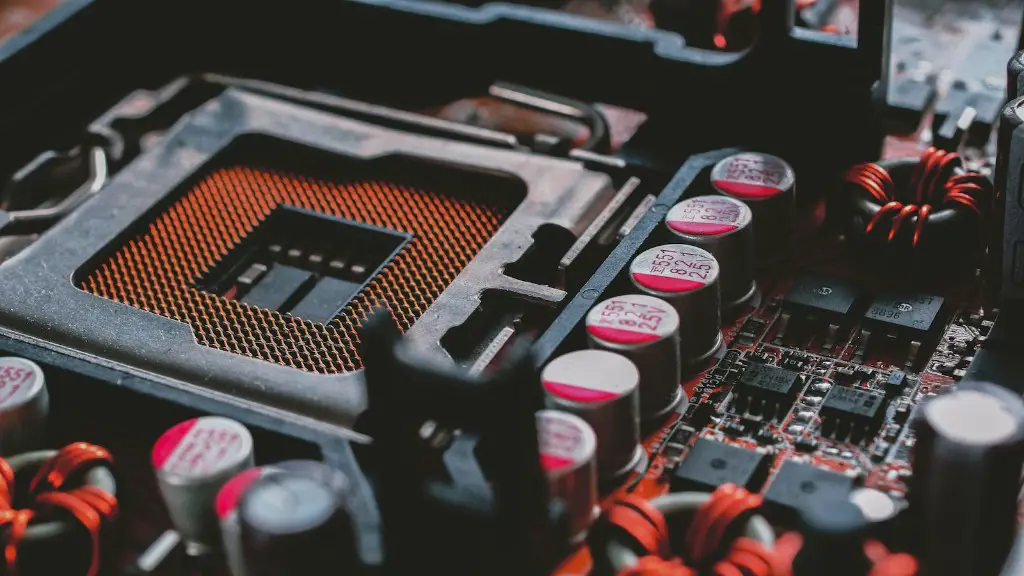
Gaming PCs have a superior performance due to its upgradability, allowing powerful software and hardware to be installed to improve its capabilities. PCs are able to run virtually any game available as long as the minimum requirements are met. A PC can also be used to do a variety of other tasks, such as running video editing software or being used for analytical purposes. PCs also offer better customisation options for gamers, as they are able to purchase the exact parts and tailor the machine for maximum performance in one’s chosen games. On the other hand, the PS5 offers a slightly lesser performance than a PC, but still offers some robust gaming experiences.
Price Difference
The cost difference between PCs and consoles is vast and will depend largely on the gaming habits of the one purchasing the console. On the outset, gaming PCs are far more expensive than consoles. Configuring a gaming PC can cost anywhere between $500 and $5,000 depending on the level of performance one needs. Pre-built gaming PCs can cost less but they are ultimately still more expensive than a console. On the other hand, a console’s cost is minimal in comparison, with the PS5 starting at around $500.
Accessibility
The accessibility of gaming PCs is relatively limited due to the need for a physical machine. This can be particularly restrictive for those who like to game at multiple locations or without having to carry a physical machine every time. Consoles, however, can offer more freedom as they are able to be used from any TV with no need for a physical machine, which allows for more accessibility. This can be especially beneficial for individuals who travel often and like to play from multiple locations.
Portability
When it comes to portability, gaming PCs do not offer very much mobility because of their size and weight. PCs are generally bulky, and unless one opts for a laptop, a gaming PC will stay in one stead. Console, however, offer much more portable and can be hooked up to any modern HDTV. Consoles can also provide multiplayer experiences with friends that can’t be replicated on a PC.
Online Services
Depending on the console, one may get access to specific gaming services such as Playstation Plus on the Playstation 5, Xbox Live on the Xbox One, and Nintendo Switch Online on the Nintendo Switch. These offer a range of exclusive benefits depending on the console, such as access to online multiplayer, early access to certain titles, compatibility with controllers that are exclusive to certain platforms, and discounts on digital games.
Graphics and Looks
The visual capabilities of both gaming PCs and consoles are changing constantly. Console’s visual capabilities are slowly catching up with that of a gaming PC, however, the graphics still won’t reach the level of a PC, which can be much higher. PC’s offer much greater customisability of its looks, allowing the user to make their PC look how they want. Consoles on the other hand, look much more consistent, as they don’t tend to allow much customisation.
Conclusion
Ultimately, the decision between a gaming PC and a console comes down to personal preference, as both offer advantages that could fit different things. PCs are excellent for playing the latest games, as well as offering more upgradable components to ensure longevity, but consoles offer more accessibility and portability, along with exclusive online services. It’s up to the buyer to figure out which one offers the most value for them.
