When deciding what power supply is appropriate for a gaming PC, it’s important to consider the components that are going to need to be powered by the PSU. A 430 Watts power supply should be adequate for gaming; however, PC components’ requirements can change drastically depending on the range of components that are present. It’s important to accurately gauge what power will be needed for a PC build, since having too little power can result in instability or unwanted shutdowns.
Considering the types of components in the gaming PC, a 430 Watts supply might have difficulties with more intensive hardware configurations. In most cases while using a single graphics card with a few storage drives, a 430 Watts unit should be enough. However, having two graphics cards or a more powerful processor can require an additional 100-200 Watts just to achieve a stable system.
Power supplies should always have a minimum efficiency rating of 80 PLUS Bronze or higher if you want to power a gaming PC. Low quality power supplies may short circuit or even catch fire due to fluctuations in the power delivery. Since power is one of the biggest aspects of a successful gaming PC build, adding 100-200 additional Watts for more intensive hardware is always recommended to ensure the system is running more efficiently.

In order to properly measure the needs of a gaming PC when selecting a power supply, one must look at the total power draw of all the components. A power supply must be able to supply the total power draw at once or the system will become unstable. With specific components, it’s easy to calculate what the total power draw will be and assess if a 430 Watt power supply will be sufficient.
A good estimate of the total power draw is to look up the components’ requirements and then add an additional 20-30% to that figure. This should give you an estimate of what the total power draw will be for a gaming PC. If the total power is higher than the 430 Watts supply, you should strongly consider looking for a more powerful power supply.
Is An Additional Graphics Card Too Much Power?
Adding an additional graphics card is the most common type of hardware upgrade that can push a power supply past its maximum Wattage. Depending on the type and model of the graphics card, it’s possible to draw an additional 200-400 Watts. This means that even an 850 Watt power supply can easily become ‘power starved’ when using multiple graphics cards.
For most mid-range graphics cards, a 430 Watt power supply may not be enough. However, if the graphics card is less power hungry, such as an entry-level or lower-end card, a 430 Watt model should work fine. Since many gaming PCs are limited by the Wattage of the power supply, it’s important to consider the graphics card’s power requirements when making a decision.
What A Few Options For A Higher Powered Gaming PC Setup?
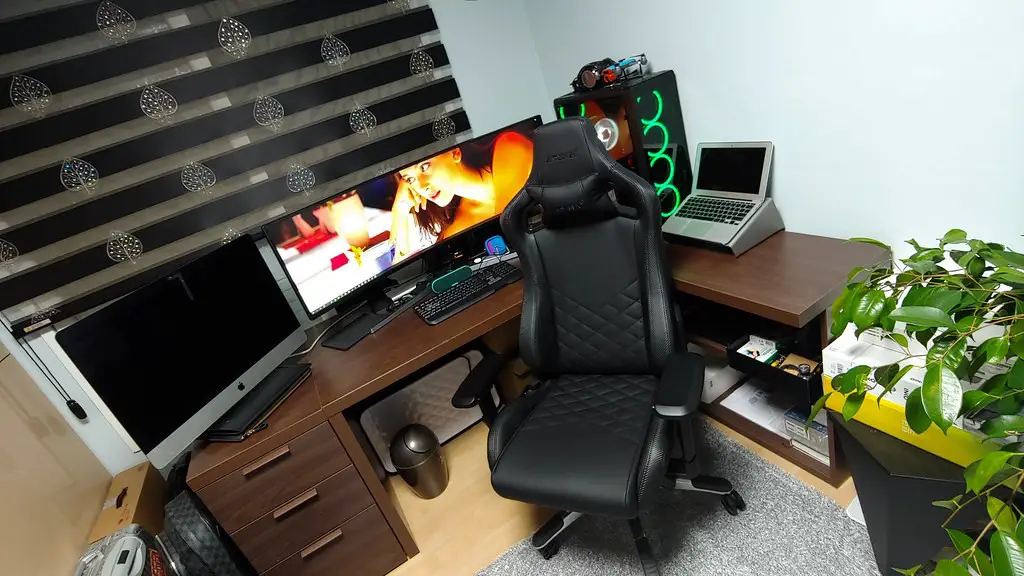
If you want a more powerful gaming PC setup, there are a few options to consider. An obvious solution would be to purchase a more powerful power supply. This won’t solve all the power issues, but it will make the power delivery more stable and reduce the chances of hardware damage. Another option would be to use a more power efficient processor. Many modern processors consume less power and run cooler than their predecessors.
Another effective way to reduce the power consumption of a gaming PC is to reduce the number of components in the system. For instance, using an SSD instead of a hard drive can reduce the power consumption of the system while still providing excellent storage speeds. Many modern graphics cards offer multiple methods of power savings such as lower TDP settings, which can reduce how much power the card draws.
Finally, utilizing a liquid cooling system for the CPU can reduce its power consumption. CPU liquid cooling is typically more efficient than traditional air cooling systems, resulting in a cooler, quieter and more efficient system overall. This can also reduce the total power draw of the system, which could make a 430 Watt power supply more than sufficient for powering a gaming PC.
Should You Consider Other Components When Choosing A Power Supply?
The choice of power supply should also depend on the other components that are going to be included in the computer. For example, if the system is going to have multiple fans, it’s important to take into account the power requirements of the fans. Most fans don’t draw more than 50-100 Watts, but having multiple fans can add up quickly.
In addition, some components such as hard drives may have their own separate power supplies in order to protect them from fluctuations in the main power supply. This means that these components need to be taken into account when calculating the total power draw of a system. If a system is going to have multiple hard drives, it’s important to purchase a more powerful power supply in order to compensate for the additional power needed for these components.
Finally, some higher end components may use more than the standard ATX connector. These components require additional power connectors from the power supply that are capable of providing more power. This means that a larger power supply will be needed in order to safely power the component. Depending on the component, it may require a power supply that’s more than double the power of the system.
Conclusion
When choosing a power supply for a gaming PC, a 430 Watt model is usually sufficient for most hardware configurations. However, it’s important to consider the components that will be included in the system before making a decision. For more demanding hardware or multiple graphics cards, it’s usually a good idea to upgrade to a higher wattage PSU in order to ensure that the power delivery is sufficient and reliable.
Can You Use A Power Supply With Lower Wattage?
It’s possible to use a power supply with a lower wattage than what’s recommended for the system, but it’s not recommended. Using a power supply with a lower wattage can result in an unstable system or even worse, hardware damage. This is because the power supply can become overloaded and cause power delivery issues. It’s always better to err on the side of caution and purchase a more powerful power supply if necessary.
In order to properly select a power supply for a gaming PC, it’s important to look at the total power draw of all the components. This can easily be done by looking up the power requirements of all the components, adding a 20-30% overhead, and then looking for a power supply accordingly. This should give you a good idea of the minimum power requirements for a successful gaming PC.
It’s also important to look at the efficiency rating of the power supply. Most gaming PC power supplies should have an efficiency rating of 80 PLUS Bronze or higher, otherwise the system can become unstable due to fluctuations in the power delivery. This ensures that the system is running more efficiently and is more reliable in the long run.
What Happens If You Underpower Your System?
It’s important to remember that purchasing a power supply with too little wattage can be even more harmful than using a power supply with too much wattage. If the total power draw is higher than what the power supply can deliver, the power supply can become overloaded and may cause the system to become unstable or even result in hardware failure.
It’s also important to factor in any future upgrades before purchasing a power supply. If you plan to upgrade the graphics card or processor in the future, it’s important to purchase a power supply with enough wattage to power all of the components. This will ensure that the system remains stable and reliable even after upgrading.
Finally, consider the types of connections the power supply offers. If the power supply has the wrong connections for the components in the system, it may be impossible to connect them. For instance, many graphics cards use an 8-pin connection, so a power supply with only a 6-pin connection won’t work. Be sure to check the power supply specifications before making a purchase.
