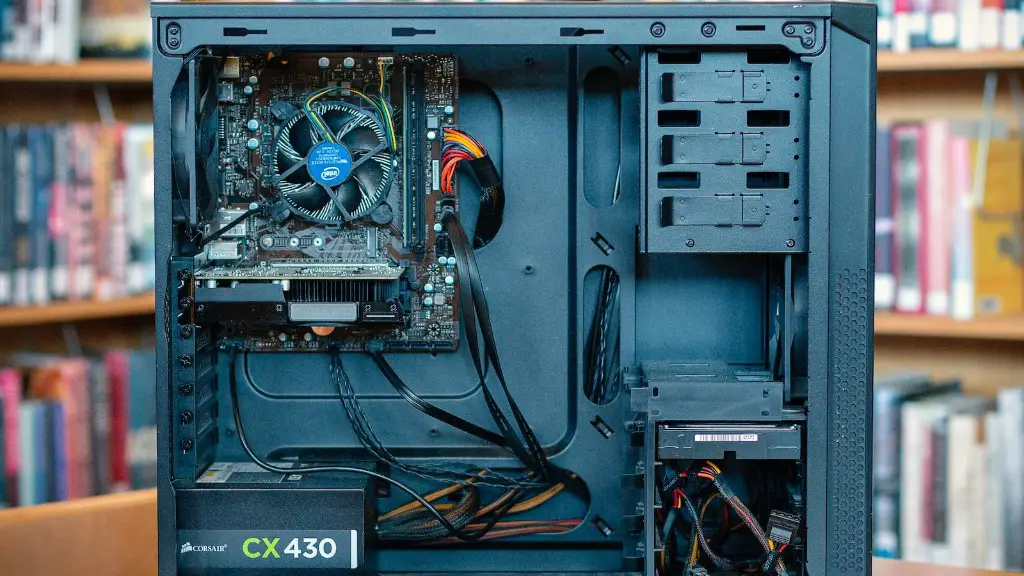
When considering what age to purchase a gaming PC, there are a variety of factors to consider. While it largely depends on the individual’s interest and need, there are developmental considerations to take into account before investing in the setup. From physiological and cognitive capabilities to financial factors, this article seeks to provide an overview of when to purchase a gaming PC based on age.
It should be noted that the minimum age to purchase a gaming PC is legally 18 in most countries. However, at age 16, it is permissible to purchase the parts of the system and build the setup with the help of an experienced adult. For younger children, the purchase of pre-built systems are permissible as they circumvent any legal issues that may arise.
Physiological and Cognitive Development
Physiological and cognitive factors should be taken into account when receiving a gaming PC. As general rule of thumb, the individual should be beyond the age of 10 to 13 depending on their computing experience. At these ages, children are typically able to comprehend and appropriately execute the various steps for completing the games. Furthermore, playing video games can also improve eye-hand coordination, as well as provide an educational resource in terms of language, mathematics, and general problem solving.
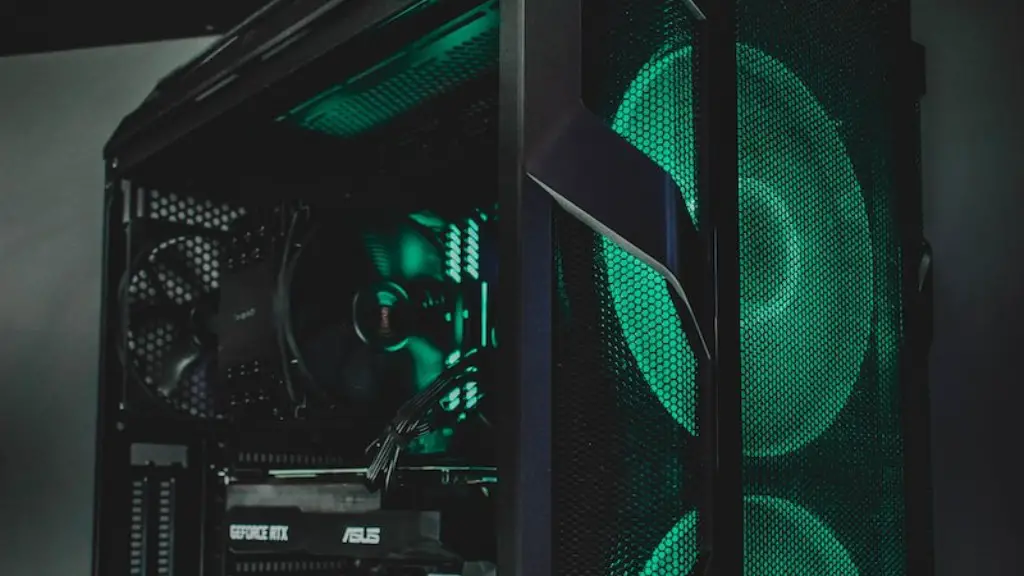
Evaluating the child’s past experience with gaming is important, as it provides an insight of their competency with the setup. Generally, if they can navigate the software comfortably, they are more likely to understand the hardware components, allowing them to build and repair the setup when required.
Financial Expense
Since gaming PCs are expensive, the individual’s financial capability must be taken into account. The overall cost of the setup, which can range from 600-1014 dollars, should not exceed 15-20% of a family’s disposable income. It should also be noted that after the initial purchase, additional costs such as software, games, peripheral device and repairs must also be factored into the budget.
An alternative option and a more financially sustainable solution is for the individual to build their gaming PC by themselves. Not only can this be a fun and rewarding activity, it also allows the individual to control the costs and build a setup to match their individual requirements.
Emotional Maturity
Before purchasing a gaming PC, it is prudent to evaluate the individual’s emotional maturity and maturity level. This is largely subjective, however, as a general rule, children should be over the age of 12 and aware of the dangers of online gaming before they will be given access to a gaming PC. This is to ensure with online interactions are appropriate and safe, as well as mitigate the potential effects of addiction and self-esteem issues.
Parents should also play an active role in monitoring the child’s behaviour and experiences with the gaming PC. Assigning limits to the hours spent on the computer, and providing alternative activities, can help prevent addiction and ensure responsible use. This also helps to ensure that the PC does not interfere with the individual’s academic and developmental pursuits.
Social Considerations
When determining the appropriate age to purchase a gaming PC, social considerations should also be factored in. As an example, for children attending school, games played on a PC should not interfere with their academic pursuits or encourage them to break any rules. At the same time, playing online games should be developmentally appropriate and not expose them to any explicit content.
In general, investing in a gaming PC should not replace physical outdoor activities. Thus, ensuring that the child participates in outdoor pursuits such as sports and hobbies, can help to foster healthy physical, emotional and social development. This can ultimately help to promote the child’s overall well-being.
Family Considerations
For any decision, it is important to have the input and consent of the family. This ensures that any investment into the gaming PC is approved and supported by the parents, thus reducing any sources of stress or conflict. Furthermore, having a consensus amongst family members can help to ensure responsible use and prevent addiction. Having a designated space for the PC in the home can also help to foster boundaries and ensure appropriate usage.
What Age Should You Get A Gaming Pc?
To summarise, the appropriate age to purchase a gaming PC depends on a range of individual factors and considerations. Ultimately, it largely depends on the individual’s level of experience with gaming, physiological and cognitive development, financial capability and emotional maturity. Parents should also be actively involved in the decision-making and in encouraging responsible behaviour. When all these factors are taken into account, an appropriate age and budget can be determined, allowing individuals to enjoy the full potential and gaming experiences.
Other Considerations
In addition to the main considerations when getting a gaming PC, there are other factors to be aware of. As an example, the brightness levels of the monitor, room ventilation and ergonomics of the setup should be considered to minimize any potential eye strain, fatigue or discomfort. In addition, parental control settings and specially designed headsets can help to avoid any hearing loss or damages.
Furthermore, if the individual has limited space, opting for a laptop setup or alternative gaming consoles such as the Nintendo Switch can be a viable option. This alternative setup can ultimately help to save cost and prevent overheating, as well as offer a more portable and enjoyable gaming experience.
Managing Expectations
Managing expectations of the gaming PC is also important. Although gaming PCs can offer a range of benefits such as improved visual and audio performance, it is prudent to understand that the individual’s skills and capabilities are the real asset. Therefore, rather than emphasizing the performance of the PC, it is important to emphasize the individual’s ability, knowledge and overall skill set.
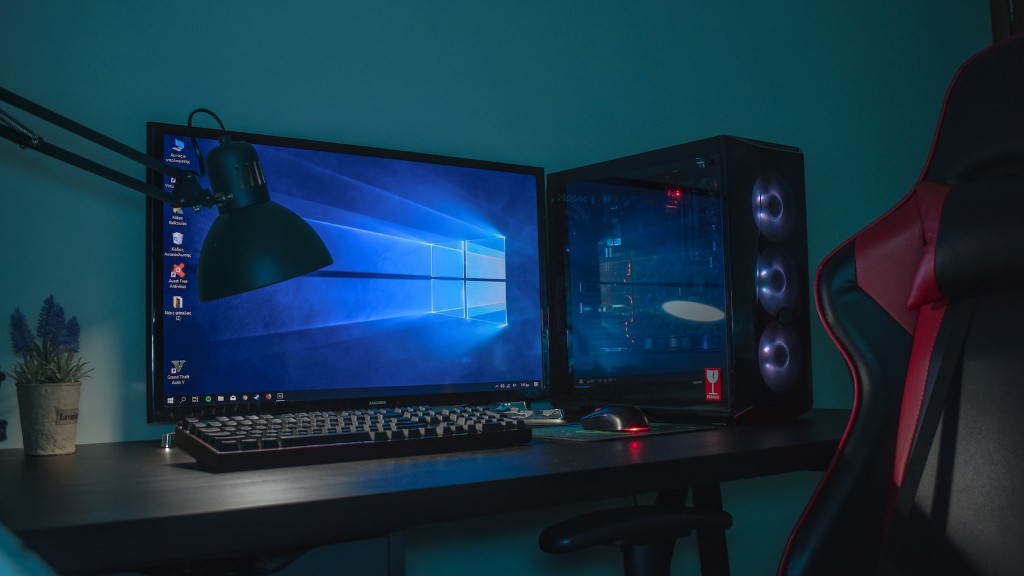
Moreover, understanding the games being played, as well as the purpose of the gaming PC, can help to ensure responsible usage. This can help to ensure that the gaming PC is used as a source of entertainment and to improve the individual’s skills, rather than detract from their academic, social or personal pursuits.
Tech Support
Having an active technical support system can also be useful when considering the purchase of a gaming PC. As the setup can be complex, having an experienced individual who can guide the process can help to avoid any issues and facilitate a safe and enjoyable gaming environment.
Moreover, teaming up with others can also be useful. Although playing alone can be enjoyable, playing with others as part of a team can help to foster friendships and important life skills, as well as minimize the potential effects of cyberbullying, cheating and other online threats.
Software Installation
In terms of software installation, the individual should opt for the latest versions to provide maximum protection from any potential threats. Placing a reliable anti-virus system can also help to protect the computer from any malicious activities or viruses, as well as foster a safe gaming experience.
Additionally, prioritizing the approved programs and applications can also help to ensure responsible usage. This can also enable parents to monitor the games or programs that their children are exposed to, ultimately helping to prevent any inappropriate experiences.
Suggested Curriculum
When making the investment in a gaming PC, it is important to acquire a suggested curriculum to support the individual’s gaming needs. This can help them to understand the basics of computing, as well as introduce them to the gaming industry and the underlying principles of games. Moreover, introducing the individual to professional players can help to provide an insight into the more advanced gaming techniques and strategies used in the industry.
Furthermore, providing a practical introduction to hardware components and the tools used in hardware modification and game customization can help to explore the creative arts and provide an added layer of customization to the gaming experience.