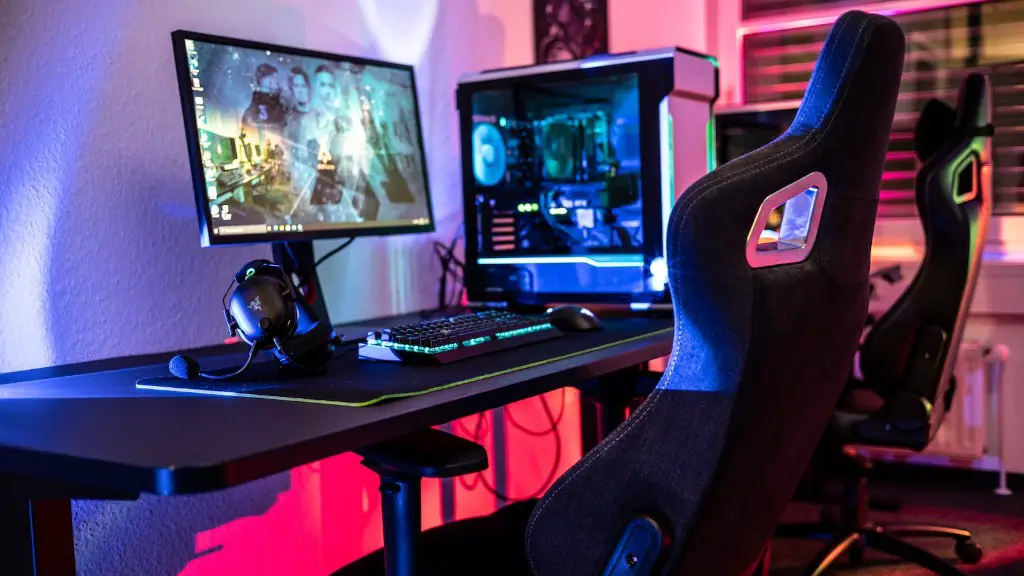
Gaming PCs are not just for hardcore gamers any more. Today, more and more people are turning to gaming PCs for their entertainment, whether for work or for play. Building a gaming PC can be a daunting task however, so it is important to know what matters when it comes to selecting the right components for a high-performing 24/7 reliable gaming PC.
First and foremost, the processor is the heart of any gaming computer. The processor has to be powerful enough to handle the most demanding games and applications, while staying within a budget. A processor with a higher clock speed and multiple cores will be able to handle high-performance tasks without sacrificing clock speed.
The graphics card is also critical for gaming. The graphics card is one of the most powerful components in the PC, and should be chosen carefully. A graphics card with good performance and cooling capabilities is essential in order to take advantage of the latest games, while staying within budget.
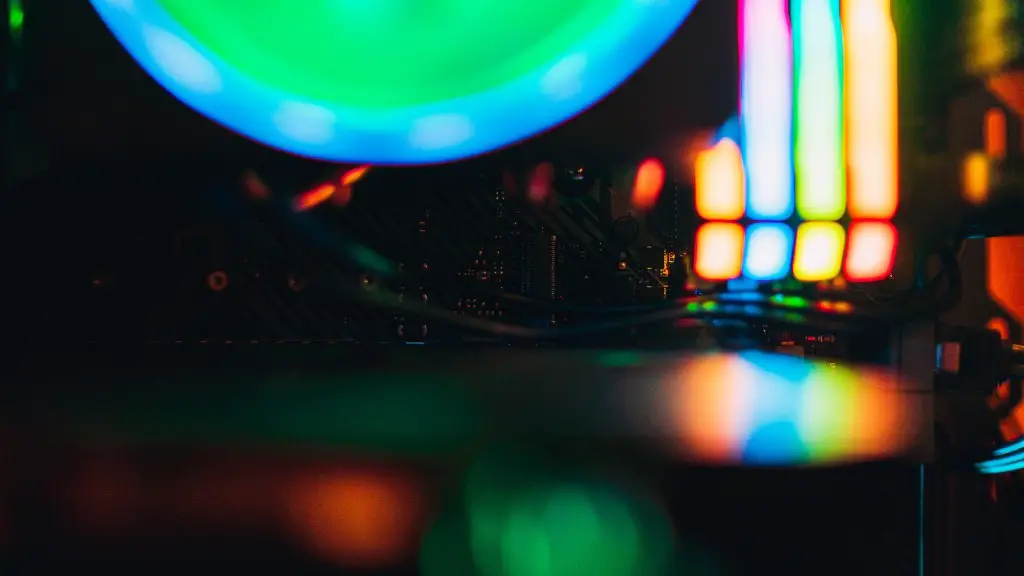
Cooling should also be considered when building a gaming PC. A cooling system that is designed for gaming will be able to keep the components running at an optimal temperature, preventing throttling and improving performance.
The motherboard is another essential component, as it acts as the hub for all the other components. The motherboard should be selected carefully, with the right form factor, number of ports and features, in order to ensure that all components are compatible and can communicate with each other as intended.
Memory also plays an important role in a gaming PC. A decent amount of RAM and a good PCIe SSD will ensure that games, applications and data are loaded quickly, and will improve performance.
Finally, the power supply should be chosen carefully. A good power supply unit is essential to deliver enough power to the components and to provide the right voltage. A good power supply will also be efficient, helping to save on electricity bills while ensuring that performance is not sacrificed.
Processor
When it comes to selecting the processor for a gaming PC, performance is key. A processor with a higher clock speed and multiple cores can boost performance and ensure that even the most demanding games can be played with ease. Modern processors are more power-efficient than their predecessors, meaning that they can deliver high performance while keeping the electricity bills low.
The number of threads is another important factor to consider when selecting a processor. While some games may not benefit from more threads, there are some that can take advantage of having more threads, so it is important to pay attention to this aspect when building a gaming PC.
Overall, when selecting a processor it is advisable to go for one with a good balance of performance and power efficiency, while staying within budget and taking into account the types of games that the PC is likely to be used for.
Graphics Card
While the processor is essential for handling games and applications, the graphics card is like the icing on the cake. It takes the information from the processor and displays it on the screen. GPUs come in different levels of performance and price, so it is important to select the right one for the user’s budget and gaming needs.
A good graphics card should be capable of delivering the performance and visual quality that modern games require. It should come with the right amount of memory, as well as good cooling capabilities, to ensure that it can handle the demands of gaming without throttling.
Unlike some components, the GPU is usually easily upgradable, so it is a good idea to select a card with future-proofing in mind, so that it can still perform well in years to come.
Cooling System
The cooling system is an often overlooked aspect of building a gaming PC. In order to ensure the highest level of performance, all components should be able to run at the optimal temperatures. A good cooling system will be able to keep the components cool even during heavy gaming sessions.
There are a few different cooling methods, including air cooling and liquid cooling. Air cooling is the simplest and most cost efficient, but liquid cooling may be more suitable for overclocking and providing additional stability. Whichever cooling solution is chosen, it is important to make sure that it is capable of keeping all components at the optimum temperatures.
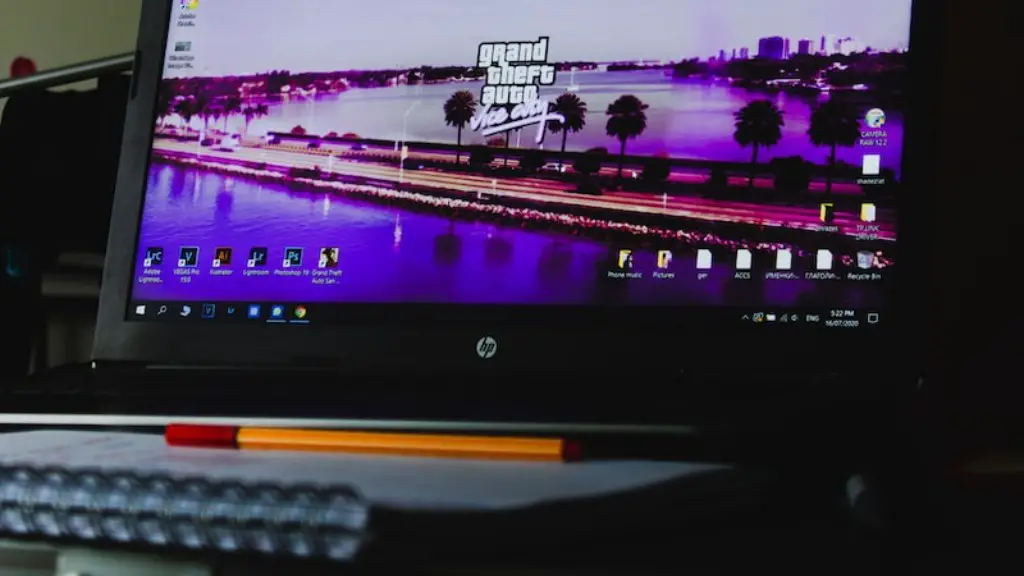
A gaming PC is only as good as its components, so it is essential to select the right ones for the job. Choosing the right processor, graphics card, cooling system, and motherboard can all significantly improve performance, while ensuring reliability and keeping the electricity bills low.
Motherboard
The motherboard is like the spine of the gaming PC, as it is the hub that everything else is connected to. It is important to select a motherboard with the right form factor, the right number of ports, and that supports the processor and graphics card. The motherboard should also come with the right number of expansion slots to allow for storage upgrades and additional components.
The backwards compatibility of the motherboard should also be taken into account. This is especially important when considering an upgrade in the future, as the new components should be able to fit and work as intended on the old motherboard.
Overall, the motherboard is an essential component that should be chosen with care. While there is no one-size-fits-all motherboard, choosing the right one can ensure that all components are compatible, and can work together to provide the desired performance.
Memory

Memory is the second most important component in a gaming PC. The amount of RAM and the speed of the memory can make a huge difference in gaming performance. A generous amount of RAM will provide the system with enough breathing room to handle applications and games without stuttering.
SSDs have become more popular in recent years and have made a big difference in storage performance. An SSD can significantly reduce loading times, as well as improve overall performance, so it is worth investing in them.
High speed RAM and a PCIe SSD are crucial for a gaming PC. Investing in good quality memory and an SSD will ensure that the PC is capable of running the latest games and applications without any hiccups.
Power Supply
Having the right amount of power is essential for a gaming PC. Without it, the components cannot run as intended. A good power supply unit (PSU) will provide the right amount of power for the components and prevent power surges, while still providing efficiency.
The wattage of the PSU should be chosen carefully. Calculating the total power draw of the components will help to determine the wattage needed. It is also important to ensure that the PSU is certified, in order to ensure good quality and safety.
Overall, the PSU is an essential component of a gaming PC. Choosing the right PSU can ensure that all components are able to perform their best and that the PC is safe from power surges. It is also important to consider efficiency when selecting a PSU, as this will help to save on electricity bills.
