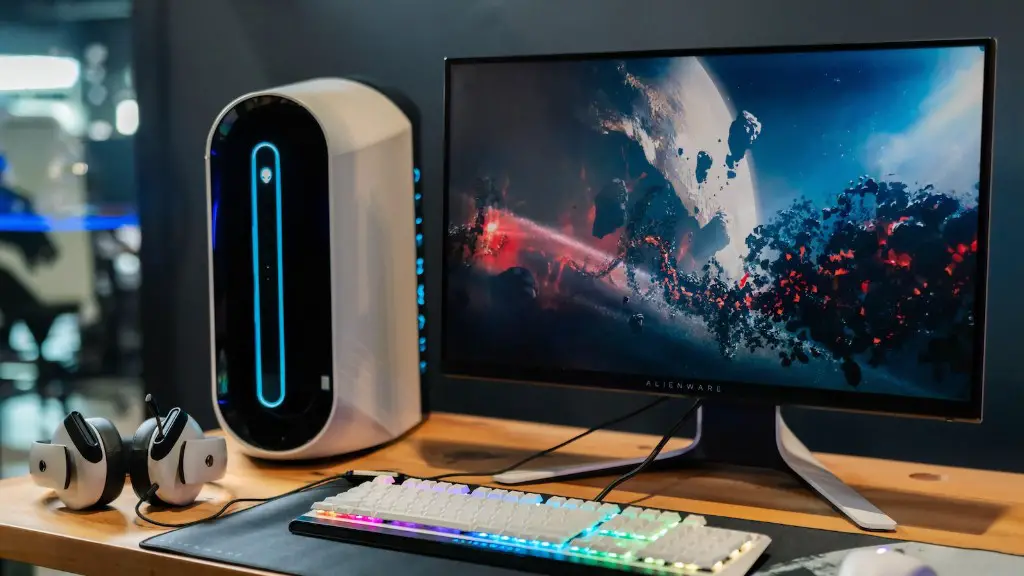
Gaming PCs require significantly more wattage than the average computer due to their high-end hardware. For gaming, a ballpark figure to aim for is between 400-500W for the average gaming PC. It is important to know the power requirements of each component before purchasing a power supply. The type of processor, graphics card, RAM, and storage devices all determine the wattage needs of your gaming PC.
It is wise to purchase a Power Supply with an efficiency rating of 80% or above, as this indicates it can deliver more of the power to the components rather than wasting it. The wattage is not the only important factor when buying a PSU. The type and length of cables, and number of connections required for your components also needs to be taken into account.
Components such as the graphics card require a large amount of power and so having the correct wattage is vital to avoiding system instability. High end graphics cards such as the NVIDIA RTX 2080 ti require a minimum of 600W. If the wattage is too low the PC cannot function correctly, and depending on the power delivery of your power supply this can lead to system instability.
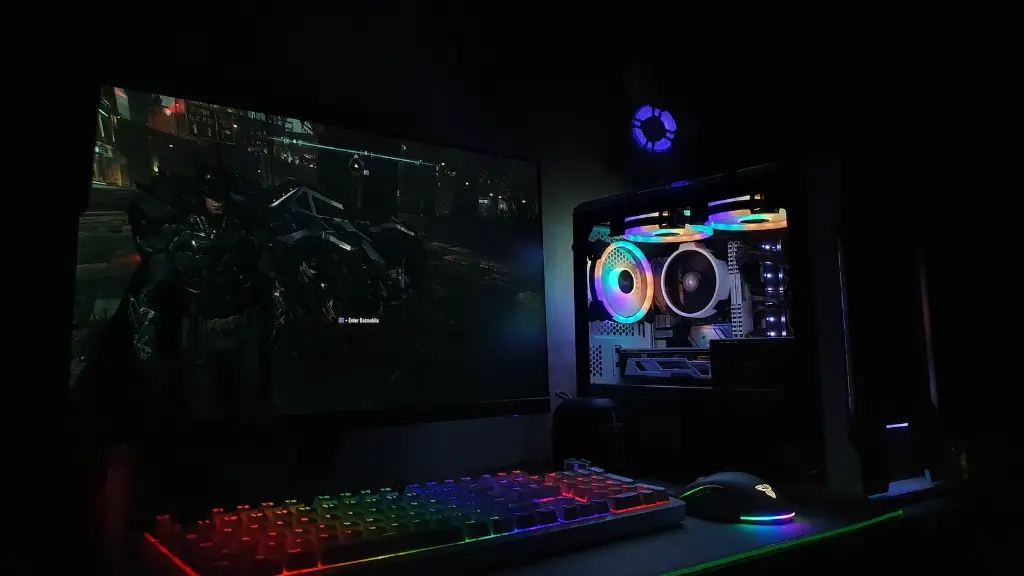
The exact wattage for your gaming PC will depend on the type and number of components used in the system. Lower end gaming computers may only need 300W of power, while higher powered ones may require up to 800W or higher. To accurately calculate the amount of wattage you need, use an online PSU calculator that takes into account the type of components and their power requirements.
It is important to purchase a power supply that is of the correct wattage and type for your gaming PC in order to avoid any potential damage to the components or system instability. Aim to purchase a PSU with an efficiency rating of 80 % or higher and make sure it has the correct amount of cables and connections for your components.
CPU
The processor is a key component of any gaming PC and this determines how much watts will be required for your setup. A low-end processor like an Intel i3 or AMD Ryzen 3 may only need around 35 Watts, but a high-end processor such as an Intel i9 or AMD Ryzen 9 3900X can require up to 140 Watts. Along with the processor, CPU coolers requiring power and system fans also need to be taken into account.
Graphics Card
The power demands of the graphics card are the most significant of all components. Different graphics cards can require between 200-400W, with the most powerful cards sometimes requiring up to 750-800W. The exact wattage depends on the type and model of graphics card, and this should always be double-checked.
RAM
Like the CPU, the amount of RAM will determine the wattage output of the power supply needed. The amount of RAM should also be considered. Low-end systems may only require 8GB of RAM, while high-end systems may require 32GB or higher. Most RAM sticks will require no more than 6-8W per stick.
Storage Devices
Storage devices such as a hard drive, SSD’s or even optical drives, may require a small amount of power. A hard drive will use around 2W, while an SSD will require no more than 1W. An optical drive may require up to 12-15W and this needs to be taken into account.
Motherboard
The Motherboard is also an important consideration in determining wattage requirements. Some motherboards are particularly power-hungry and can require between 20-60W. Additionally, any additional peripherals such as USB and Wi-Fi receivers should be taken into account.
Power Supply
The power supply is the thing that provides the wattage to all your PC components. Different power supplies will vary in efficiency rating and power output, therefore the wattage should be checked to ensure it is sufficient for your gaming PC. Most modern gaming PCs should use a power supply with a minimum efficiency rating of 80%.
Cooling System

A gaming PC usually requires an improved cooling system due to the high-performance components generating a large amount of heat. Water-cooling and air-cooling systems are used to keep temperatures under control and both may require an additional power source. Air-cooling can require up to 20-25W while water-cooling can require up to 30-40W. This should be taken into account.