
It’s no secret that gaming PCs can be expensive. But is it worth it? Let’s take a look at some of the pros and cons of having a gaming PC. On the positive side, having a gaming PC gives you access to all of the latest gaming titles and technologies. Pre-built gaming systems are also easy to upgrade, allowing you to keep up with the latest hardware advances. You can also customize your gaming setup with special features like custom cooling systems, high-end external monitors, and more. Additionally, many gaming PCs come with warranties that cover hardware issues and other malfunctions, so you’re covered if anything goes wrong.
On the downside, gaming PCs are costly. Building your own can save you some money, but it’s still a significant investment. You also have to think about power consumption, since gaming PCs have more intensive hardware than regular PCs. That means higher electricity bills. The cost of repairs can also add up over time, as gaming PCs require more maintenance and regular parts replacements. Finally, gaming PCs require more space, potentially leading to cluttered desks.
Overall, having a gaming PC is certainly worth it for hardcore gamers and enthusiasts. With a gaming PC, you can experience the latest gaming titles and technologies at their best. You’re also covered by warranties, and you can customize your setup with a wide range of special features. On the other hand, gaming PCs do come with some drawbacks, so you should weigh the pros and cons before purchasing one.
High Performance

When considering whether or not it’s worth having a gaming PC, one of the main things to consider is performance. Gaming PCs are designed to offer the highest performance possible, allowing you to play the latest games with maximum frame rates and graphics settings. They also have advanced cooling systems to reduce the risk of overheating due to long-hours of gameplay. This means you can enjoy your favorite games with the best visuals and fastest frame rates, making it a great choice for serious gamers.
However, it’s important to remember that performance comes at a price. Building or buying a powerful gaming PC requires a significant investment of both time and money. That said, prices for gaming PCs have come down in recent years, making them more affordable than ever. Ultimately, if you’re serious about gaming and want the ultimate gaming experience, a gaming PC is definitely worth the investment.
In addition to the high performance of gaming PCs, they also offer more customization options. Many gaming PCs come with custom lighting, cases and cooling systems that can be easily configured to create the perfect gaming experience. This makes it easy to create a unique gaming setup without having to buy additional hardware.
Finally, gaming PCs offer additional technologies such as virtual reality and streaming. Having a powerful gaming PC can make it easier to stream your favorite games, and some gaming PCs even offer support for virtual reality headsets, allowing you to experience a truly immersive gaming experience.
Software and Accessories
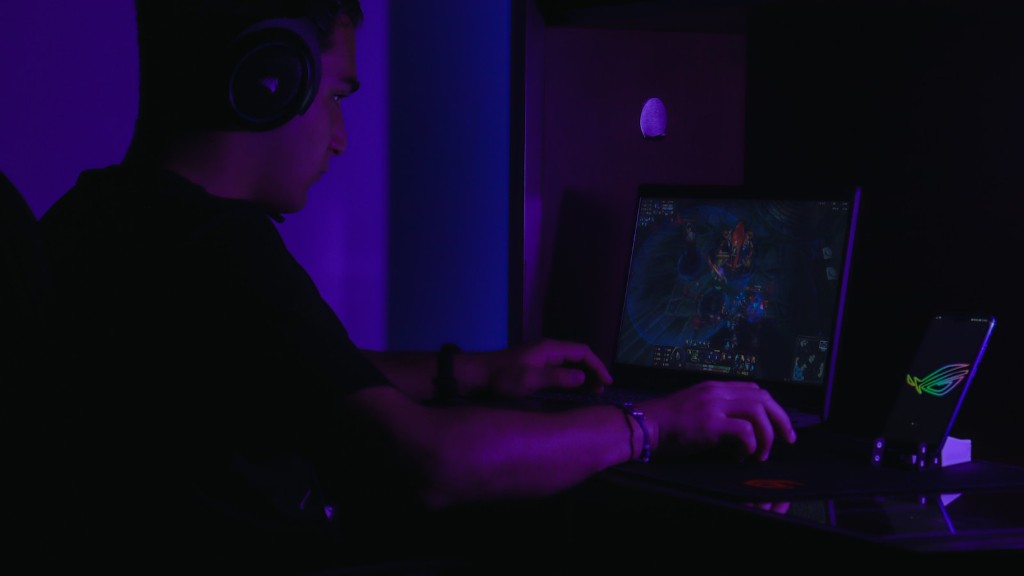
Another factor to consider when deciding whether or not it’s worth having a gaming PC is the availability of software and accessories. Gaming PCs come with a variety of software and accessories including gaming controllers, headsets and mice. These can be used to enhance your gaming experience, allowing you to enjoy the latest games with the best equipment. Many gaming PCs also come with specialized software such as game streaming programs, allowing you to stream your games to other devices.
In addition, gaming PCs can be easily upgraded. This means you can add more powerful hardware and accessories as your gaming needs change. This makes it easy to keep up with the latest gaming titles and technologies without having to purchase a new PC.
Finally, there are many different types of gaming PCs. You can choose from a variety of form factors such as laptop, desktop, or mini-PCs. This means there is sure to be a gaming PC that fits your needs.
Lightweight
What many people don’t realize is that gaming PCs can also be relatively lightweight. High-end gaming laptops often weigh less than 5 lbs, making them easier to transport than other laptops. Mini-PCs are even more portable, and can be easily carried in a bag or backpack.
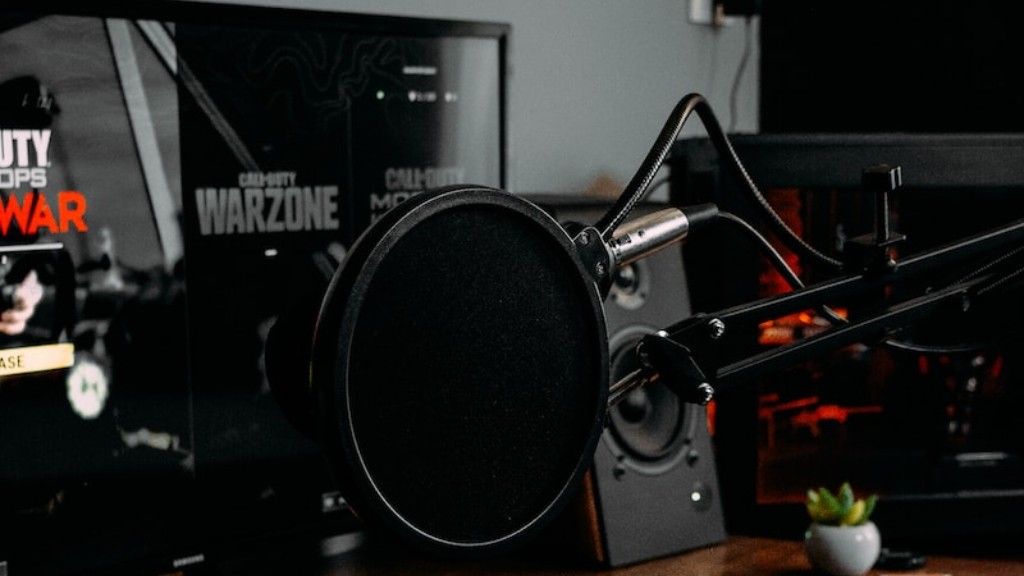
In addition, gaming PCs also offer portability in terms of formats. Many gaming laptops and PCs come with external graphics cards, allowing you to play with higher visual settings and frame rates while on-the-go. This is great if you frequently attend LAN parties or other gaming events.
Finally, many gaming laptops and PCs come with additional features such as expandable storage. This makes it easy to store larger game files, allowing you to bring your entire gaming library with you wherever you go.
Reliability and Maintenance
Reliability and maintenance is another important factor to consider when thinking about whether or not it’s worth having a gaming PC. Many gaming PCs come with warranties that can cover hardware issues, ensuring that you’re covered if something goes wrong. Many gaming PCs come with additional services such as online backup, allowing you to store game data and settings securely.
In addition, gaming PCs require more maintenance and regular parts replacements than regular PCs. This includes cleaning the case regularly and updating drivers. Fortunately, most gaming PCs come with detailed instructions on how to handle maintenance, making it easy for you to keep your PC running smoothly.
Finally, gaming PCs come in a variety of designs. This makes it easy to find a gaming PC that meets your needs and fits your budget. Whether you decide to build or buy your gaming PC, there are plenty of options available to meet your gaming lifestyle.
Cost Considerations
Finally, you need to consider the cost of having a gaming PC. PCs and hardware components can be expensive, and the cost of repairs and replacement parts can add up quickly. However, gaming PCs are becoming increasingly affordable, making them an attractive option for gamers on a budget.
In addition, many gaming PCs come with bundled accessories such as gaming controllers, headsets, and mice. This can save you money in the long run, as buying the accessories separately can be costly. Finally, many gaming PCs come with warranty coverage, so you’ll be covered if anything goes wrong.
Ultimately, the cost of having a gaming PC depends primarily on the type of hardware and features you choose. If you consider the cost of gaming PCs versus traditional PCs, it’s clear that gaming PCs are worth the investment. Not only do they offer the latest hardware and features, but they also come with warranties and bundled accessories, allowing you to save money in the long run.
