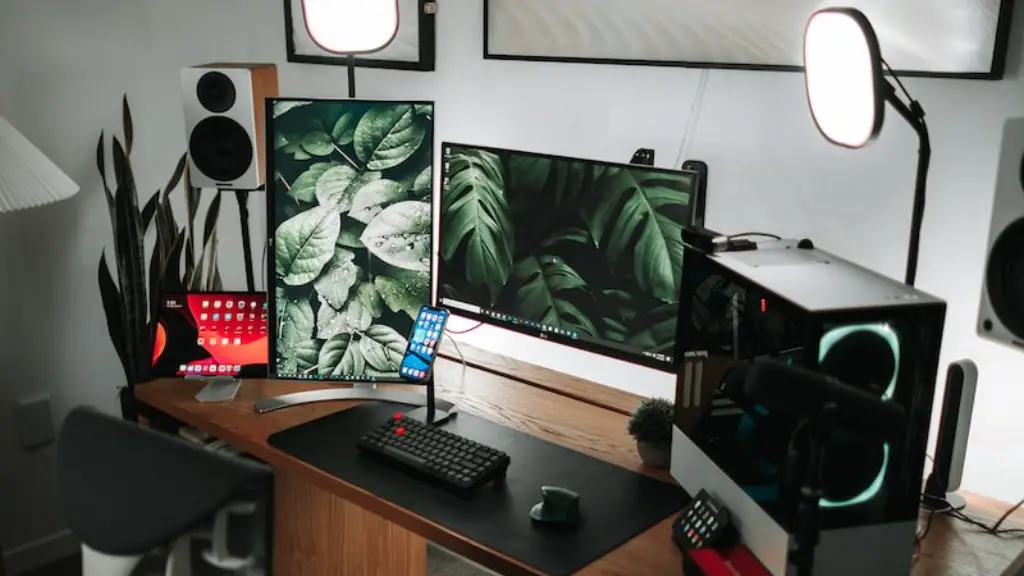
As gaming continues to become more popular, the need for mid-range gaming PCs has also grown. A mid-range gaming PC provides a balance between affordability and performance, making them ideal for gamers who don’t want to break the bank to get the latest and greatest hardware. But what is the best mid-range gaming PC?
The best mid-range gaming PCs will offer great hardware at a reasonable price. They usually come with a mid-range CPU, mid-range graphics card, and a solid amount of RAM. This combination can provide excellent performance while keeping the price down. Additionally, they may also come with basic features like USB ports, an optical drive, and storage.
High-end gaming PCs are often overkill for most gamers, so a mid-range gaming PC is a great option for those who don’t need all the bells and whistles. With a mid-range gaming PC, a user is able to play many of the latest and greatest games at playable frame rates. Additionally, they are usually more than capable of handling the latest VR headsets.
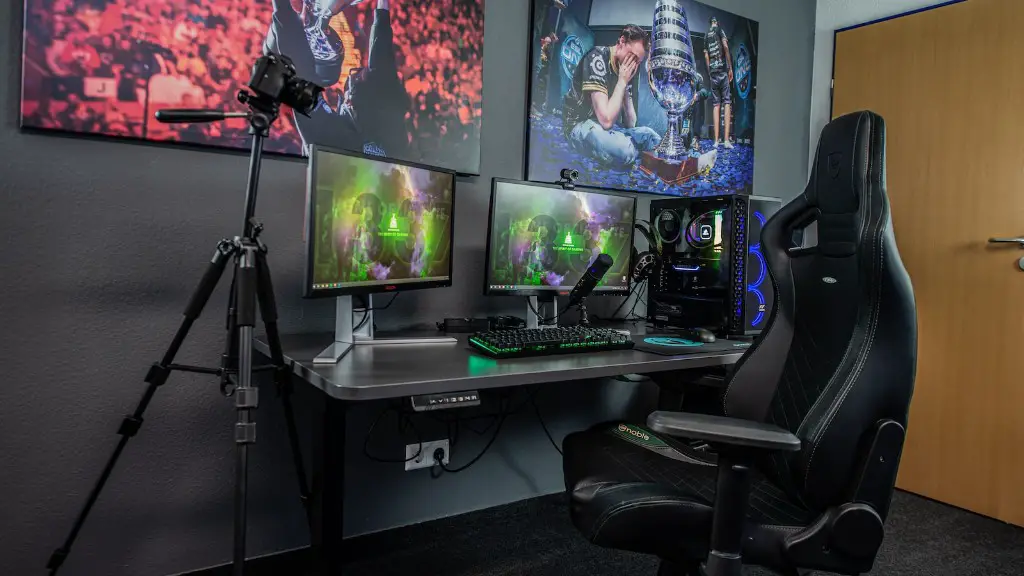
When shopping for a mid-range gaming PC, it’s important to consider the components you need. For example, if you want to play the newest AAA titles on maximum settings, you should look for a gaming PC with a higher-end graphics card. Additionally, if you plan to do a lot of streaming or video editing, it may be worth investing in a faster CPU and a larger amount of RAM.
Overall, finding the best mid-range gaming PC depends on the user’s individual needs and budget. By doing some research and comparing specs across different models, it is possible to find a gaming PC that provides the best value for your money.
Minimum Requirements for Mid-Range Gaming PCs
When shopping for a mid-range gaming PC, it’s important to consider the minimum requirements that you’ll need in order to play the latest games. These requirements may vary depending on the games you plan to play, but usually a mid-range gaming PC should have at least an 8th generation quad-core processor, 8GB of RAM, and a mid-range graphics card such as a NVIDIA GTX 1060 or equivalent.
Also, be sure to check minimum and recommended system requirements for the games that you plan to play. This way, you can make sure that the mid-range gaming PC you’re getting has at least the minimum requirements for the games you plan to play.
Lastly, when shopping around for a mid-range gaming PC, be sure to compare prices across different vendors. You may be able to find a great deal on a mid-range gaming PC from a lesser-known vendor, so be sure to shop around.
Lower Budget Options
For those on a tighter budget, there are several lower budget options for mid-range gaming PCs. These PCs may have slightly lower specs than more expensive models, but they can still provide plenty of performance for most gamers. For example, you may be able to find a gaming PC with an AMD Ryzen 5 processor, 8GB of RAM, and an NVIDIA GTX 1050, which can provide enough performance for casual gaming.
Alternatively, there are some newer budget-level graphics cards that can provide decent performance at a fraction of the cost. For example, the NVIDIA GTX 1650 is a great entry-level graphics card that can provide enough performance for many of today’s games. If you’re looking for an even less expensive option, you can usually find pre-built gaming PCs with integrated graphics, such as the Intel HD Graphics 620.
Lastly, for those who want to build their own PC, there are several great budget-level components that can provide good performance. A budget-level build can get you up and running with an AMD Ryzen 3 processor, 8GB of RAM, and an NVIDIA GTX 1050, which is more than enough performance for most games.
Repairs and Upgrades
It’s also important to consider repairs and upgrades when shopping for a mid-range gaming PC. Some budget gaming PCs may have limited upgrade potential due to their form factor, so be sure to research the upgradability of the model you’re looking at before buying. This way, you’ll know what to expect down the road if you want to upgrade your gaming PC.
In addition, you should make sure that the gaming PC comes with a warranty, so you can get it repaired if something goes wrong. Some gaming PCs may come with an extended warranty that can cover some of the more common repairs, such as a broken fan or dead GPU.
It’s also important to consider the brand of the gaming PC, as some vendors may offer better customer service and support than others. Additionally, some brands may have extended warranties or repair centers that may be more convenient for you than others.
Conclusion
Overall, mid-range gaming PCs are the perfect balance of affordability and performance. They can provide a great gaming experience without breaking the bank, and with a little bit of research, you can find the perfect PC for your needs. Be sure to consider the minimum requirements that you need, the upgradability of the PC, and the warranty to make sure that you’re getting the best mid-range gaming PC for your money.
