Building a gaming PC takes time and effort, but with a few basic steps you can get a high-end gaming PC setup with ease. The first step is to list the components you need. Linus Tech Tips has an extensive list of the necessary hardware for your gaming PC including a CPU, motherboard, RAM, hard drive, and graphics card. Once you have decided on your parts, you can start assembling them. This will require an understanding of the general principles of hardware installation, such as how to correctly attach components to the motherboard and how to connect cables.
After assembling the PC, it’s time to install the operating system. Windows 10 is the recommended OS for gaming PCs, but you can also download and install Linux distributions with the help of guides from Linus Tech Tips. Installing an OS can be a bit tricky, so it’s best to follow the guide that comes with your motherboard, or watch a tutorial on YouTube. It’s also worth noting that for some motherboards, you may have to update the BIOS before you can install an OS.
One of the next steps for setting up your gaming PC is to purchase a reliable cooling solution. Overheating components can cause irreparable damage, so make sure your cooling solution is the correct one for the components in your system. For the CPU, a heatsink and fan combination is best, while a liquid-cooling system may be necessary for high-end graphics cards. Linus Tech Tips has several pieces of advice on choosing the right cooling solution.
Once your gaming PC is up and running, it’s important to maintain it properly. It’s best to start with a regular schedule of cleaning the interior of your PC, which includes dusting, cleaning connectors, and ensuring airflow. You should also keep your software up to date by downloading weekly patches. Finally, make sure that you are monitoring the temperature of your PC to make sure your overheating components are running at a safe temperature.
In conclusion, building your own gaming PC can provide you with a powerful setup that can handle the newest games and programs. With the help of Linus Tech Tips, you can be sure of a successful build and that your PC can provide you with years of entertainment and fun.
Preparing the Build and Purchasing the Components
Building a gaming PC starts with the planning phase, which is done by creating a list of necessary components. Linus Tech Tips provides guides for each component that have up-to-date information on the latest hardware and what is needed for the build. This also includes an education section on motherboards and other components and their specification limits. Once the plan has been created and the components are selected, one can start the purchasing process.
When ordering the components, one should take into account shipping costs and other fees. Sometimes components can be bought separately and through different retailers, which can help save on costs. However, purchasing all the necessary components at once is often recommended as it’s more convenient, and one can get bulk discounts that can add up over time. In addition, there are gaming-specific bundles that contain all the components needed for the build, which can be a good option for beginner builders.

One of the last steps of planning the build is to select the power supply unit (PSU). This is an important part of the build since it provides the power for all the components in the PC. The wattage of the PSU largely depends on the total wattage of the components in the build, which can be calculated using online power calculators. The wattage should not be lower than the actual wattage of the components, as this can lead to instability and short circuits. Linus Tech Tips offers a wide variety of guides and resources to help select the right PSU for the build.
Finally, it’s important to pay attention to the warranty information of each component. Some components, such as graphics cards and CPUs, come with a three-year warranty, while other components may have only an one-year warranty. Be sure to check if the components are covered by the manufacturer and if any additional warranty is available.
Creating an Ideal Working Environment
When creating the build, there is a lot to consider when it comes to setting up the workspace. Picking the right workspace and organizing it properly will make the build process smoother and more efficient. The first decision is to decide whether the build will be done on a desk or on the floor. A desk is better for cable management and tool organization because there is more space and dust can be easily removed from the surface.
The workspace should be well ventilated to avoid overheating. The standard setup is to have a fan in front of the PC, with another fan on the back of the PC to exhaust the hot air. This can also be achieved with a PC tower case with ventilation holes. Finally, the workspace should be organized to minimize the amount of time spent looking for the right tools and parts. Labeling the parts and creating an inventory list can help maintain order.
The workspace should also be well lit to provide enough light when working with components, which can minimise the chances of damaging something important. One should also use the correct tools for each step of the assembly process. Linus Tech Tips provides detailed guides for each component which makes this easier. Tools like screwdrivers and pliers should last for years and should be of a good quality, so investing in good tools makes sense.
When it comes to the cable management, extra steps should be taken to ensure a clean and tidy build. This can include pre-planning the cable routing and purchasing additional cable kits with compatible connectors and lengths. Good cable management pays off in the end as the PC will look better and be easier to work with.
Installing the OS and Downloading Drivers
Once the PC is assembled and the components are working, it’s time to install the operating system. Windows 10 is the recommended OS for gaming PCs, and can be downloaded and installed with the help of guides from Linus Tech Tips. Installing an OS can be a bit tricky, so it’s best to follow the guide that comes with your motherboard and read the online tutorials.
After the installation process is complete, one can now download and install the system and component drivers. These drivers enable the hardware to run smoothly, and can be downloaded from the websites of the component manufacturers. Drivers can also be downloaded from the motherboard manufacturer’s website, which makes the driver installation process easier.
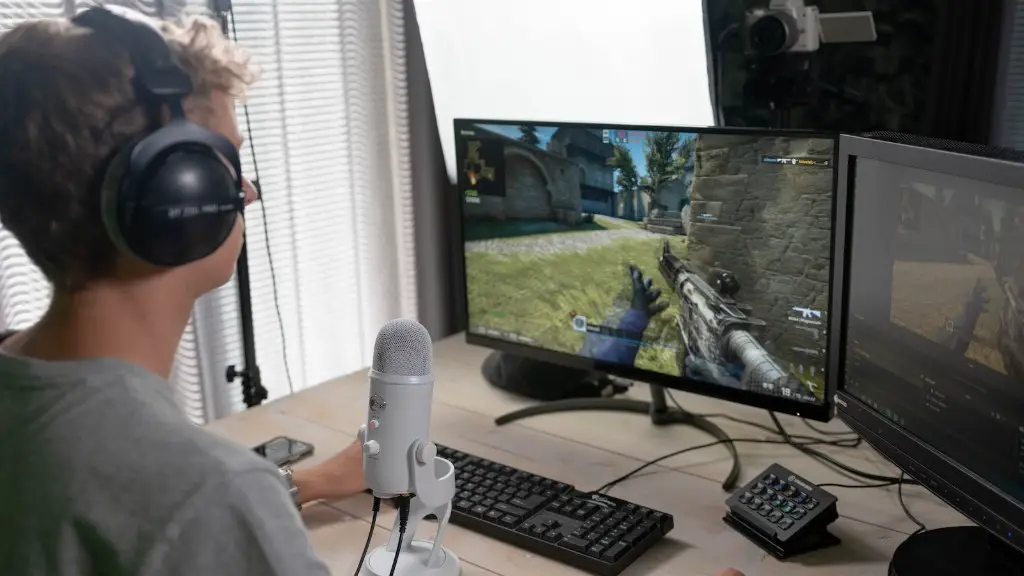
Once the drivers are installed, one can start installing games or other software.It is important to note that while newer games tend to require more powerful hardware, older games can run on lower-end PCs. Installing older games can be a great experience, as they can be run with no problems on a gaming PC. Linus Tech Tips offers tutorials on how to install older games on a gaming PC.
In addition to games, there are other important apps to install. This includes anti-virus software, which is essential to protect the PC from malicious viruses and malware. Furthermore, there are tools to optimise the performance of the PC, such as registry cleaning tools, memory optimisers, and performance-enhancing software. These can help improve the gaming experience and provide more stability for the PC.
Maintaining The Build After Assembly
Once the build is done and the PC is running properly, one should take steps to maintain it. This includes regular cleaning to get rid of dust from the internal components, which can cause damage and instability. It’s best to start by using a soft brush to remove dust from the motherboard and inbetween other components, and then use a vacuum cleaner to clean the whole inside of the PC.
In addition to cleaning, it’s also important to keep the software on the PC up to date. To do this, one should configure the Windows Update service to automatically download and install the necessary updates. For other installed apps, the latest updates should be manually installed. This keeps the PC secure and running smoothly.
In order to prevent overheating, monitoring the temperatures of components is important. This can be done by using specialised software such as Core Temp, which allows one to check the temperature of a variety of components. If the temperatures are too high, then one should consider improving the cooling system or replacing the thermal paste of the components. Linus Tech Tips provides guides for improving the cooling system and replacing the thermal paste.
Finally, it’s important to utilise tools to optimise the performance of the PC. Cleaning the registry and cleaning up junk files are two of the most important steps for optimisation. The Windows Disk Cleanup feature can be used to clean up the junk files, and there are several registry cleaning tools available on the internet. Linus Tech Tips offers a variety of tutorials on how to optimise the PC.
Running Stress Tests and Benchmarking The PC
Once the build is complete and the PC is ready to use, one should use stress tests and benchmarking to ensure the system is running at peak performance. Stress tests help to identify weak components or overheating issues. Benchmarking, on the other hand, is used to measure the performance of the PC in different scenarios. Both stress tests and benchmarking are essential for identifying performance bottlenecks.
For stress tests, there are several popular tools available, such as Intel and AMD’s Burn Test and Prime95. Both can be used to test the stability of the system and identify potential hardware and software issues. These tools also generate a report which can be used to asses the performance of the PC.
For benchmarking, 3DMark is one of the most popular benchmarking tools available. It can be used to measure the performance of the PC in games and other software. There are several variations of the benchmarking test, such as gaming and applications benchmarks, that measure different aspects of the performance of the PC. Linus Tech Tips provides comprehensive guides and tutorials on stress testing and benchmarking.
Finally, using a monitor with a high refresh rate can provide an even better gaming experience. These monitors are designed to reduce lag and provide a smoother gaming experience. Most monitors offer refresh rates of up to 144 Hz, which can provide a noticeable difference in performance compared to 60 Hz monitors. Linus Tech Tips can help you choose a monitor according to your budget and needs.
