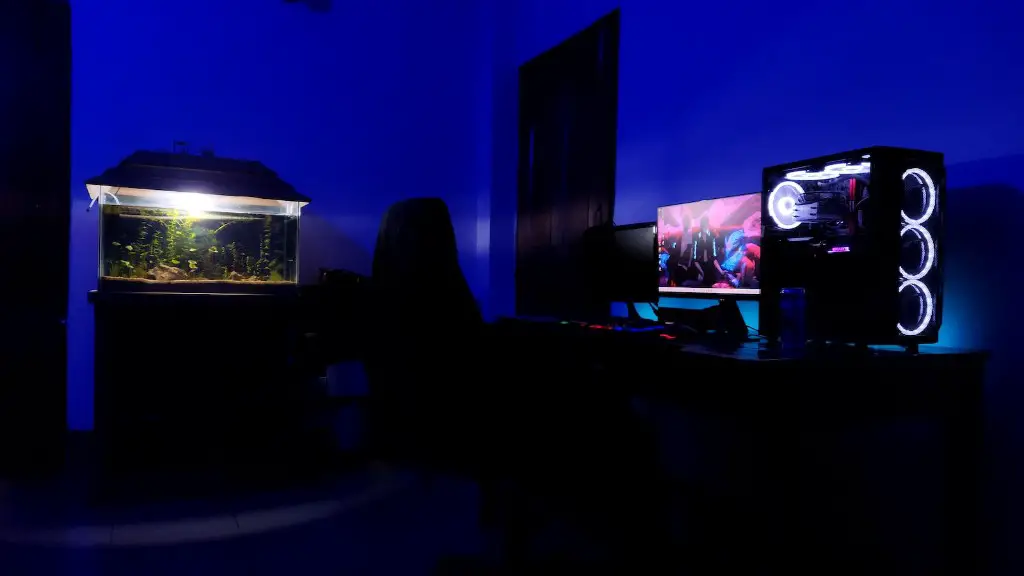
When looking for the best gaming PC under 800 dollars, it’s important to consider the level of power and gaming performance you need. This is because most of the budget gaming PCs are equipped with mid- or low-end processors, graphics cards, and other components which can affect your gaming experience. You should also check the features available, warranty information, cooling systems, and other add-ons in order to get the most bang for your buck.
When building a gaming PC, you need to ensure that the parts are good enough to support your gaming habits – like graphics cards, a processor with multiple cores, a motherboard that can accept a variety of components, a large enough storage system, and a good power supply. This is why getting the best gaming PC for under 800 dollars is tricky because most of the gaming PC models available have limited specs and components which cannot support modern games at their full potential.
Another important point to consider is the type of games you are planning to play. Some games may require a more powerful PC than others, so it’s best to choose a gaming PC model which can handle the type of games you want to play. This way, you’ll be able to enjoy the best gaming experience possible with the right kind of gaming PC.
Furthermore, you should look at the cooling system and make sure it’s suitable for your gaming needs. A good cooling system will help keep your PC cool even under heavy gaming sessions, allowing you to play intensive games without any issues. In addition, you should also make sure the power supply is adequate to support your gaming needs.
Ultimately, the best budget gaming PC for gaming under 800 dollars is likely to be a custom-built one that you assemble with your own hands. This way, you can get the best components for your budget and make sure the PC is tailored to your exacting gaming requirements. Buying a pre-built gaming PC for a reasonable price is also possible but it’s usually not as reliable as a custom gaming PC in terms of performance and longevity.
Processors
When choosing the best gaming PC for under 800 dollars, processors should be your top priority. This is because a powerful processor is the foundation of your gaming experience and it will handle all the computing tasks with great efficiency. So, you should choose a processor that suits your gaming needs, such as an Intel Core i5 or AMD Ryzen 5. These processors are great for most gaming needs and will provide you with the power and performance to make the most of your gaming hardware.
The processor should also be able to support multi-threaded gaming, so it’s important to check if the processor you choose is compatible with multi-threaded gaming. This way, you’ll be able to benefit from improved performance and smoother gaming experience. Furthermore, the processor should also have a decent Turbo Boost speed to increase the performance when needed.
Another factor to consider is the Thermal Design Power (TDP) of the processor, which indicates how much power the processor can draw from the power supply. For the best gaming experience, it’s best to choose a processor with a higher TDP – preferably around 95W.
Finally, you should check the available cache size and make sure it’s large enough for your gaming needs. The higher the cache size, the better your gaming performance will be. In general, an Intel i5 processor will come with 6MB or 8MB of cache, while an AMD Ryzen 5 processor should have at least 8MB of cache.
Graphics Card
The graphics card is one of the most important components in any gaming PC and it’s important to choose one that can provide you with smooth gaming performance. For a budget gaming PC, you should try to get a graphics card that can play most current games without any issues, so it’s best to look for one with at least 4GB of onboard memory. This should allow you to play most games at medium to high graphics settings with no problems.
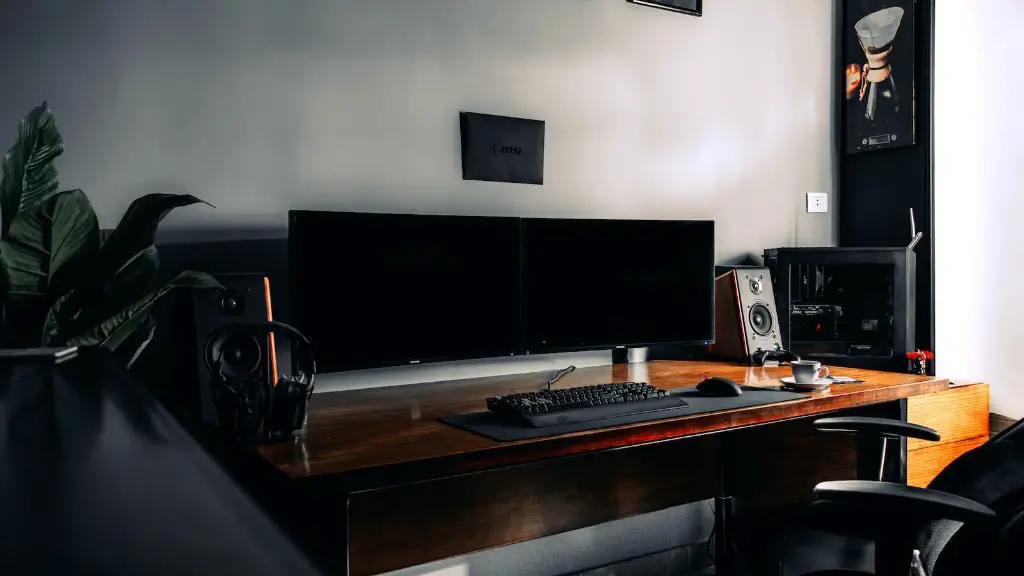
It’s also best to choose a graphics card that is compatible with DirectX 12 technology so you can take advantage of the latest gaming features. For budget gaming PCs, an AMD Radeon RX 580 or an Nvidia GTX 1060 will deliver great performance at 1080p and 1440p resolutions.
Furthermore, it’s best to choose a graphics card with a wide range of ports, so you can connect multiple monitors and other peripherals. This should give you the freedom to customize your PC and enjoy the best gaming experience possible.
Finally, it’s also important to make sure the graphics card has enough cooling potential to support your gaming needs. This should prevent your card from overheating even during heavy gaming sessions. For example, you can look for models with advanced cooling systems like “dual-fan” designs that can help dissipate the heat generated by the card.
Motherboard
Since the motherboard is the “heart” of any computer, it’s important to pick one that supports all the components you plan to install in your budget gaming PC. This means you should look for a motherboard with plenty of PCIe slots, so you can add a graphics card, additional storage devices, or other accessories with no problem. In addition, the motherboard should also be compatible with modern processors and memory, so you won’t have any issues with the compatibility.

You should also make sure the motherboard you choose can accept the type of storage devices you want to install. For example, most budget gaming PCs should be equipped with an SSD and HDD combo, so the motherboard should have multiple SATA ports to support this setup. Furthermore, it’s best to also look for a motherboard that has integrated USB 3.0 ports, which have faster data transfer speeds compared to the regular USB.
Another important factor to consider when choosing a motherboard for a budget gaming PC is the available BIOS options. A good gaming motherboard should include all the necessary adjusting options and settings, so you can fine-tune your PC performance. Furthermore, the BIOS should also be easy to navigate, so you won’t have any issues with the configuration.
Finally, it’s also important to check the power delivery of the motherboard. This will determine how well your gaming PC will be able to handle higher clocks and performance settings. So, it’s best to choose a motherboard with an efficient power delivery system, such as All Digital Power, Intel Extreme Tuning, or ASUS Digi+ Power.
Storage
When it comes to budget gaming PCs, storage is one of the most important components to consider. You should look for a fast storage solution that can handle the latest games, so it’s best to get an SSD for your OS and some of the frequently played games. This will not only offer faster boot and loading times but also improved overall performance.
In addition, you should also make sure your gaming PC has enough storage capacity to install all the games you want. For this, it’s best to look for a model that offers an HDD and SSD combo, so you’ll have the speed and capacity needed for your gaming library. For example, an HDD of at least 1TB should be more than enough for most gamers.
Finally, it’s also best to look for models with multiple types of ports, such as M.2, SATA, and PCIe. This way, you can add additional storage devices depending on your gaming needs. For example, PCIe NVMe SSDs are a great option if you want even better storage performance.
Power Supply
When it comes to budget gaming PCs, the power supply is one of the most important components to consider. This is because it will be the source of power for your entire gaming setup, so it’s important to get a reliable and efficient model.
For a budget gaming PC, it’s best to look for a power supply with at least 500 Watts of power. This should be enough to support all the components of your PC, including the graphics card and processor. Furthermore, it’s also important to look for a power supply with efficient circuitry, so you can benefit from lower energy bills.
In addition, you should also look for a power supply with multiple rails, so you’ll be able to power multiple components simultaneously. Furthermore, the power supply should also come with all the necessary connectors, so you’ll be able to connect all the components without any issues.
Finally, it’s important to look for a power supply with full-protection features. These include over-voltage, under-voltage, and over-current protections, which will help keep your components safe even during power outages and surges.