When it comes to gaming, building your own gaming PC is the ultimate way to experience the best gaming performance and graphics. However, the decision to either buy or build a gaming PC is an important one. To help you make the right choice, this article will explore the advantages and disadvantages associated with each option, so you can decide which is best for you.
The biggest advantage to buying a gaming PC is that everything is already assembled, so you don’t have to worry about installing components, connecting cables, and troubleshooting problems. If you’re not tech-savvy and don’t feel comfortable building your own PC, a pre-built system can give you the peace of mind that comes with knowing that your system comes from a reputable manufacturer and is backed by their warranty. Additionally, buying a pre-built system often costs less than building your own.
On the other hand, building your own gaming PC gives you the freedom to choose the exact components you want. You’ll also save money in the long run as you can choose components that fit within your budget. Furthermore, building your own PC allows you to customize the look of your system to your liking, so you can show off your unique style. Lastly, since you know how to assemble and troubleshoot problems, you’ll have better control over the maintenance and overall health of your PC.
Ultimately, the decision to buy or build a gaming PC will very much depend on your individual needs and preferences. If you’re a novice PC builder and don’t want to take the risk in assembling a PC yourself, buying a pre-built system is the safer option. However, if you feel comfortable with the DIY process and are willing to make a few sacrifices, building your own PC can give you the best performance and a more personalized experience.
Buying A Gaming PC
Buying a gaming PC is often the quickest solution for anyone looking to get into pc gaming without spending too much time researching and building components. Pre-built PCs are often more affordable than building your own, because the manufacturer has negotiated better prices for parts. Additionally, you can often purchase extended warranties with pre-built systems, giving you additional peace of mind.
On the other hand, pre-built gaming PC’s often come with components that are not ideal for gaming. This is because manufacturers must keep their prices low in order to remain competitive, meaning they may include components that don’t offer the best gaming performance. Additionally, pre-built PCs may also make it difficult to upgrade components in the future, so you may find yourself stuck with dated components that can’t keep up with modern games.
Overall, buying a pre-built gaming system can be an easy and affordable option for anyone who isn’t tech-savvy and doesn’t want to spend any time building their own PC. Moreover, pre-built systems often come with decent warranties and can provide adequate performance for your gaming needs.
Building A Gaming PC
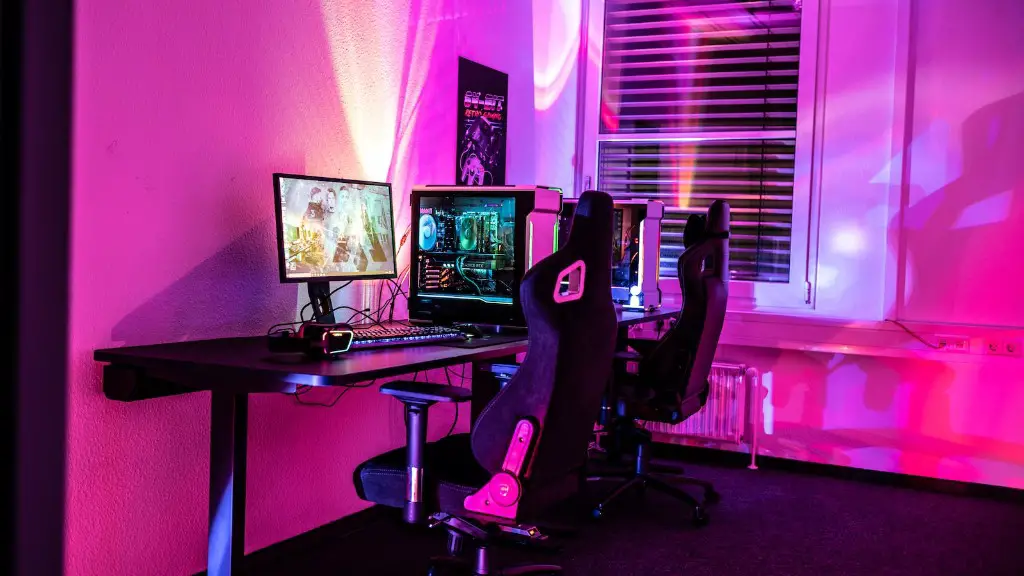
Building your own gaming PC is a great way to get the best performance and customization options in one package. When you build your own PC, you know exactly what’s in your system and can choose components that best fit your needs. Additionally, you won’t be stuck with outdated components as many components in pre-built PCs can be upgraded. Lastly, building your own PC allows you to customize the look of your system to your liking.
On the other hand, there are a few drawbacks to building your own gaming PC. Assembling the components and troubleshooting issues can be challenging for those who aren’t tech-savvy, and may require a steep learning curve. Additionally, building your own system can be costly if you don’t do your research and buy components from reliable sources. Finally, you won’t get a warranty with a DIY system, so if you encounter problems, you’ll have to solve them yourself.
In conclusion, building your own gaming PC is the most cost-effective way to get great performance and the most customization options. However, it’s only recommend for those who are tech-savvy and willing to take on the challenge of building a PC.
Upgrading A Pre-Built PC
If you already have a pre-built gaming PC and you’re looking to upgrade it, there are a few things to keep in mind. Many pre-built PCs come with components that are difficult or impossible to upgrade, so be sure to do your research and find out what components in your PC can be upgraded. Additionally, make sure you’re buying components that are compatible with your system and are not overkilling for the games you’re playing.
If you’re not tech-savvy or don’t feel comfortable upgrading your own PC, it may be best to leave it to the pros. You can find experienced technicians or local computer repair shops that can assess your system and upgrade your components for you. This is often a safer option than attempting to do it yourself, since technicians are more familiar with the process and components, and may be able to offer you better advice when selecting components for your system.
Overall, upgrading a pre-built PC can be a great way to get better performance out of your system at a lower cost, but it can also come with its own set of risks. If you’re not comfortable doing the upgrade yourself, it may be best to let a professional handle it.
Advantages Of A Custom-Built PC
Building your own gaming PC has many advantages over buying a pre-built system. First, custom-built PC’s are usually more powerful than pre-built models because they often come with better components and higher performance parts. Additionally, building your own PC gives you the flexibility to customize your system as you like, from selecting components that fit your budget to choosing aesthetics that reflect your personality. Finally, building your own PC allows you to choose components that can be upgraded later on, giving you the ability to stay up to date with the latest technologies.
The main disadvantage of building your own gaming PC is the upfront cost. Building a gaming PC can be expensive, especially if you don’t do your research and buy low quality components. Additionally, you may have to deal with the hassle of assembling components, troubleshooting problems and performing ongoing maintenance. Finally, as a custom-built PC usually doesn’t come with a warranty, any issues with your PC will have to be solved by you.

In conclusion, building your own gaming PC is often the best option for those looking for high-end performance and customization options. However, it will require research and a little extra money upfront, as well as the willingness to take on the challenge of assembling components, troubleshooting problems and performing maintenance.
Outsourcing Your Build
If you don’t have the time or expertise to build your own gaming PC, you can always outsource the job to a professional. Many computer shops will offer services to build your PC either in-house or remotely. These services usually offer detailed instructions and assistance throughout the build process, so you won’t have to worry about assembling components or troubleshooting problems. Additionally, these shops may also be able to negotiate better prices for components, helping you save money.
On the other hand, outsourcing the job comes with its own risks and drawbacks. Many shops have strict policies which can sometimes make the process of returning faulty components or getting a refund difficult. Additionally, some shops may use low-quality components or inferior assembling techniques to cut costs. Lastly, outsourcing your build can be expensive due to the labor costs associated with the service.
Ultimately, outsourcing your build is a great option for those who don’t have the time or expertise to build their own PC. However, it’s important to do your research and make sure you’re dealing with a reputable shop that offers good customer service and quality components.
