Building your own gaming PC can be a rewarding experience, one that goes beyond the mere pleasure of having something unique and powerful. Aside from being incredibly rewarding, there are many benefits to making your own gaming PC. But, should you build or buy a gaming PC? Let’s take a look at the pros and cons of each.
The foremost benefit of making your own gaming PC is cost. While you can spend thousands of dollars on a store-bought gaming PC, you can easily build your own for a fraction of that cost. Additionally, when you build your own, you have full control over the components and know exactly what you’re getting. You can pick and choose the exact components you want and upgrade them as needed, without being stuck with components you don’t want.
However, building your own gaming PC is time-consuming. It takes research and knowledge to determine what components will work together, and then there’s the time-consuming process of assembling the PC and getting it to run correctly. Additionally, it isn’t inexpensive; once you add up the cost of the components, the cost of the PC can be quite high, even if it’s much cheaper than a prebuilt one.
If you’re not interested in building your own gaming PC, buying a prebuilt one from a store is a viable option. Store-bought gaming PCs are convenient, as they come with the components already installed, saving you from having to research and assemble the components. Additionally, they come with a warranty, which is invaluable in the event of a malfunction.
However, there are downsides to buying a prebuilt gaming PC. Firstly, most gaming PCs that you can buy in stores come with components that aren’t top of the line. Furthermore, you usually have to pay more for a PC because the parts in it are factory-overclocked, meaning they are operating at higher speeds than they are designed to run at. This can result in a shorter lifespan for the PC’s components.
Software Upgrades
A great benefit of making your own gaming PC is that you have full control over the software. You can install the exact operating system and other software that you want. This is great if you are a PC purist and only want to use open-source software, for example, or if you want to be able to customize the interface and make the machine look and function exactly how you want it to. Additionally, you can save money by installing free open source software instead of buying expensive proprietary software from a store.
On the other hand, if you buy a prebuilt gaming PC, you are stuck with the operating system and software it comes with, which will likely be either Windows or macOS. If you don’t want to be stuck with the software that came with the PC, you will have to pay for the upgrade. Even if you do decide to upgrade the software, there’s no guarantee that it will be compatible with the hardware of the PC, so you may end up having to purchase additional hardware to make the PC compatible.
Additionally, proprietary software can often have less features and limit user customization. This can be a problem if you’re a ‘tinkerer’ who likes to customize their software and hardware to get the exact performance they’re looking for.
Accessories and Extra Parts
When buying a prebuilt gaming PC, you’ll likely get some extras with it, such as gaming controllers, keyboards, mice, and other peripherals. On the other hand, when you build your own gaming PC, you only get the core components, so you’ll have to purchase any relevant accessories separately. This can drive up the cost of building your own gaming PC, so it’s important to consider that when deciding whether to build or buy.
Aside from the peripherals and accessories, prebuilt gaming PCs also come with extra parts that you can use for upgrades or repairs. This can be very useful if you experience any problems with the PC, as you will already have the spare parts to do the repairs. This is also great if you plan on upgrading your PC in the future, as you can use the extras that came with it as spare parts, instead of having to buy them separately.
On the other hand, if you decide to build your own gaming PC, you don’t get any of these extras. This means that you will have to purchase any accessories and extra parts you want or need separately, which can drive up the cost of these components. Additionally, it can be difficult to find spare parts for certain components, so it can be a headache if you experience any malfunctions or want to upgrade the parts.
Performance
One of the biggest benefits of making your own gaming PC is performance. When you build your own PC, you will have full control over the components, so you can choose the exact components that you need to maximize the performance of your PC. Furthermore, you can overclock the components to make them run even faster without risk of damaging them, as you can adjust the settings to ensure they run within their advertised limits.
On the other hand, it can be difficult to get the best performance out of a prebuilt gaming PC. First of all, because they come with components that aren’t necessarily top of the line, you may encounter some performance issues. Furthermore, because the components are factory-overclocked, you may be limited in terms of how much you can adjust them to increase performance.
Additionally, most store-bought gaming PCs come with proprietary software that can slow down the performance of the PC. While you can upgrade to open-source software, you may end up paying more for it and you could end up having compatibility issues with the components.
Reliability
The reliability of a gaming PC usually depends on the quality of the components. When you build your own gaming PC, you can make sure that you get high-quality parts that will last. Additionally, you will have full control over the settings, so you can ensure that the settings are within the advertised limits to ensure the components don’t get damaged.
On the other hand, with prebuilt gaming PCs, the components are usually factory-overclocked, which can cause them to overheat or be damaged more quickly. Additionally, these PCs usually come with proprietary software that can be more prone to errors, malfunctions, and upgrade issues, which can also cause instability and damage to the PC.
It’s also important to consider the warranty of the gaming PC. Most prebuilt gaming PCs come with a warranty, which can be a great asset if the PC experiences any malfunctions or needs to be repaired. On the other hand, when you build your own gaming PC, you won’t get a warranty, so you’ll have to troubleshoot any issues on your own and pay for repairs out of pocket.
User Experience
Another important factor when deciding between building or buying a gaming PC is the user experience. If you build your own gaming PC, you will have full control over the components, the interface, the software, and the user experience. This means that you can customize the PC to your liking, so it looks and feels exactly the way you want it to.
On the other hand, prebuilt gaming PCs come with proprietary software and components, and you don’t have full control over the user experience. This can be a problem if you are a tinkerer who likes to customize their PC or if you want to optimize the performance or the user experience to your specific needs.
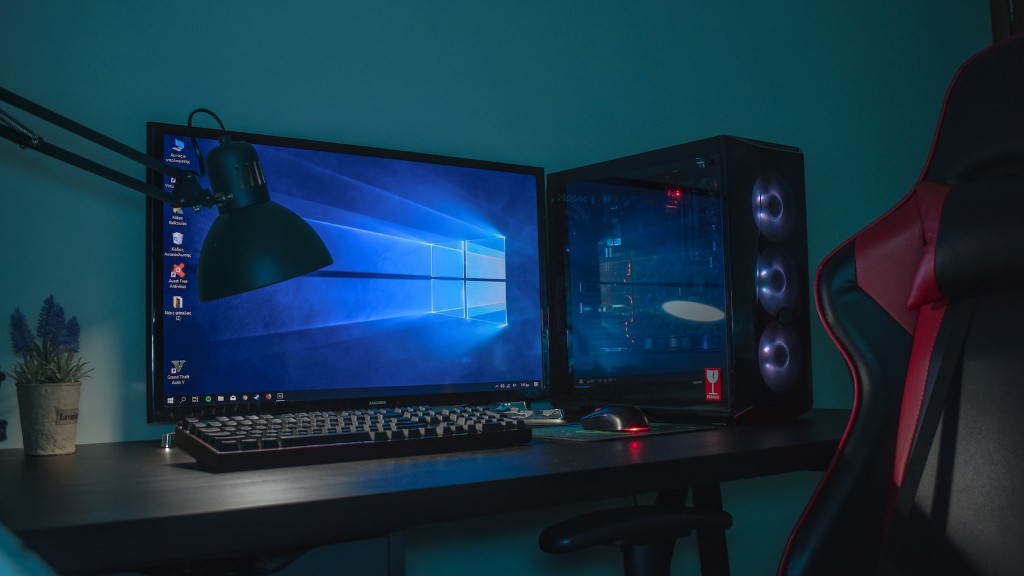
Furthermore, the user experience of a prebuilt gaming PC can be limited by the preloaded software. Many of these PCs come with bloatware, which can take up disk space and RAM, thereby slowing down the performance of the PC. Additionally, some of the software preloaded onto these PCs can not be uninstalled or disabled, further limiting the customization options.
Maintenance and Upgradeability
When it comes to maintenance and upgradeability, both building and buying a gaming PC have their advantages and disadvantages. On the one hand, when you build your own gaming PC, you will know exactly what components are in the system, which makes troubleshooting and making repairs much easier. Furthermore, you can upgrade the components as needed, so the lifespan of the PC is easily extended.
However, building your own gaming PC also means that any upgrades or repairs are done at your own expense. You will have to pay for any replacement parts and the labor to install them. Furthermore, it can be difficult to find compatible parts for certain components, which can be expensive, and it can also be difficult to troubleshoot certain problems, as you are on your own without the support of a manufacturer.
On the other hand, with a prebuilt gaming PC, you get a warranty, which means that any repairs or upgrades you need to make are covered by the manufacturer, which can be invaluable if you experience any problems. Additionally, these PCs come with all the components installed, so you don’t have to worry about compatibility issues or troubleshooting; you just have to send the PC to the manufacturer for repairs or upgrades.
However, when you buy a prebuilt gaming PC, you are stuck with the components that come with it, which may not be the best in terms of performance or lifespan. Additionally, upgrades are usually limited to only certain components, and the cost of these upgrades can often be more expensive than if you purchased the components yourself.