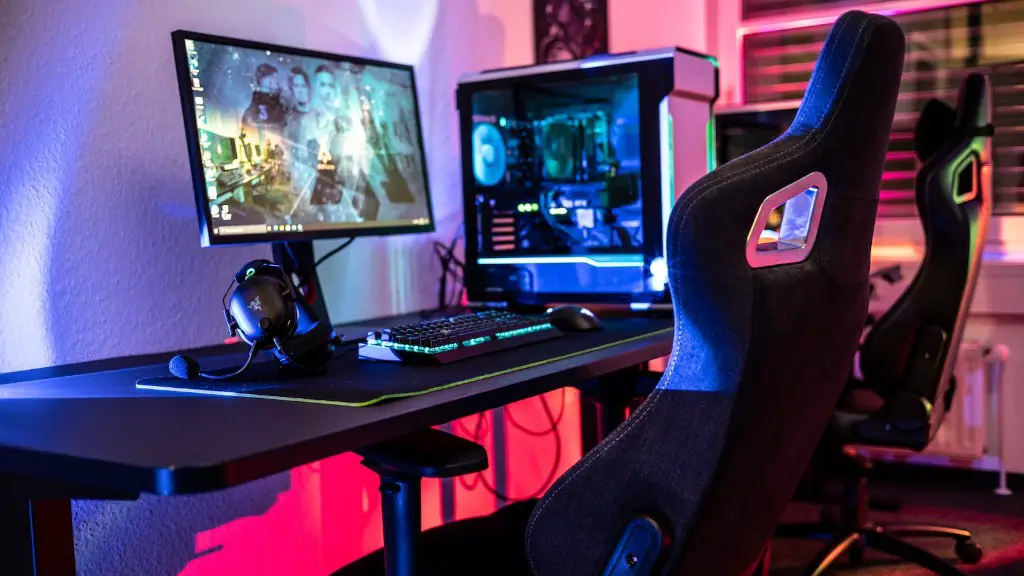
Games PCs are unique among personal computing systems in that they are specially built to offer the maximum potential performance and reliability, regardless of the games being played. This is especially beneficial in multi-player online games, where any slight improvements in system performance can give one user an edge over their opponents. Gaming PCs are generally more expensive than traditional desktop PCs and come equipped with specialized components designed for enhanced gaming performance, including specialized graphics processor speeds, high-powered processors, larger RAM, and increased storage.
When building a gaming PC, careful consideration must be made to ensure the system’s exact needs and budget are met. For example, the type of game being played will determine how much RAM, graphics processor power, and storage will be necessary. Additionally, the budget must be taken into account, as pricing of these components can vary drastically depending on performance.
The internal hardware of a gaming PC can vary and is often upgradeable. For example, a typical gaming PC starts with a processor, usually an Intel Core i7 or AMD Ryzen or Ryzen Threadripper, depending on performance needs. Next, a suitable motherboard must be selected that is compatible with the processor and other internal components. Then, the amount of RAM will be determined by the type of game, followed by a suitable graphics card and hard drive.
In addition to internal hardware, peripherals for gaming PCs are plentiful. Gaming keyboards and mice come with a variety of buttons and features available, such as macro key bindings and programmable buttons. Furthermore, additional monitors, audio systems, and virtual reality (VR) headsets can dramatically improve the gaming experience. While these items may not always be necessary, they can significantly increase the enjoyment of gaming.
Cooling is another essential component of gaming PCs, as components like CPU and GPU become increasingly powerful. The most effective cooling systems will involve multiple fans, liquid cooling systems, and thermal paste. Additionally, special care must be taken when it comes to dust control, as dust can reduce the performance of internal components. Finally, it is important to use quality components, as low-quality components or those with low reviews will likely not find their way into a gaming PC build.
Types of Games Pcs
When it comes to selecting a gaming PC, there are several types to choose from. Console gaming has traditionally been the most common form of gaming for people, but desktop gaming PCs also offer an immersive experience, allowing for greater graphical fidelity and a plethora of choices when it comes to components. Popular desktop gaming PCs include powerful towers, slim and portable laptop gaming laptops, and the all-in-one desktop gaming PCs.
Gaming Pc Components
The performance of gaming PCs is largely determined by the components inside the computer. Some of the most important components to consider when building a system include the processor, motherboard, RAM, graphics card, storage, fan, cooling system, and peripherals. More powerful processors such as Intel’s i7 or AMD’s Ryzen threads can allow for better performance, while larger amounts of RAM and powerful graphics cards can improve the gaming experience. Additionally, cooling systems such as liquid cooling or air cooling can help prevent system overheating as well as noise.
Cost of Gaming Pc Components
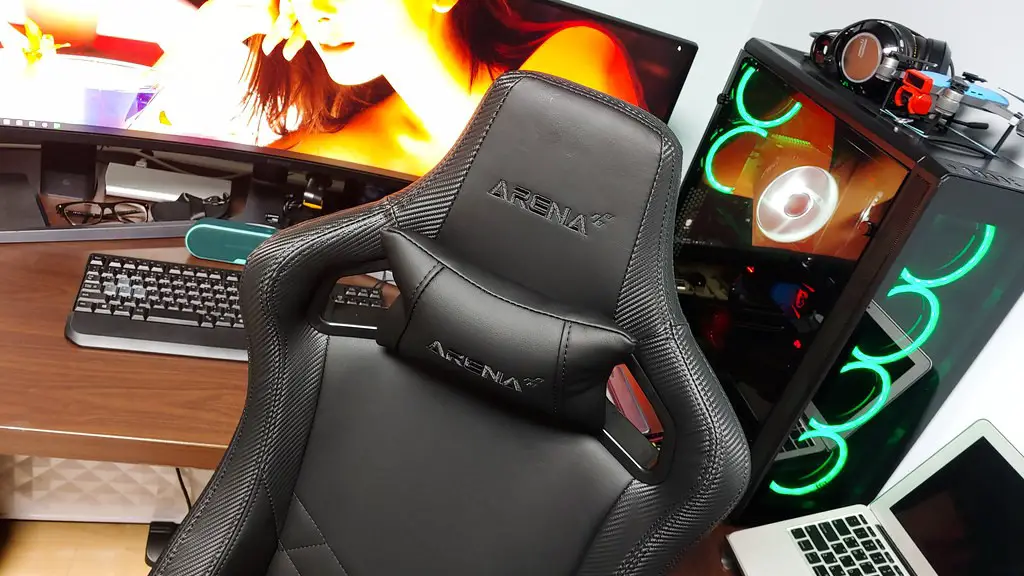
The cost of gaming PC components can vary drastically, depending on quality and performance. Processors such as the Intel Core i7 can range in price from several hundred to several thousand dollars, while RAM can range from a few dollars per gigabyte to hundreds of dollars. Graphics cards range from a few hundred to several thousand dollars and may require supplemental power supply systems. Hard drives, fan systems, and other components also come with a cost, so it is important to compare prices between different retailers and make sure to get the best quality component for the lowest cost.
Gaming Peripherals
In addition to internal components, gaming peripherals can also improve the gaming experience. Gaming keyboards and mice come in a variety of styles and can offer macros, backlighting, and programmable buttons. Additionally, LCD or OLED monitors can provide a more immersive experience, and virtual reality headsets, such as the Oculus Rift or HTC Vive, allow for a much greater level of immersion than traditional monitors can provide. Finally, audio systems such as surround sound speakers, gaming headsets, and bass enhancement systems can significantly increase the gaming experience.
Choosing The Right Components
When it comes to building or buying a gaming PC, an important consideration is the type of game being played. For example, some games will require more powerful processors, while others may call for more RAM or higher resolution video cards. Additionally, cost is another key factor to consider, as some components can be significantly more expensive. Finally, it is important to consider external peripherals, as they can dramatically improve the gaming experience.
