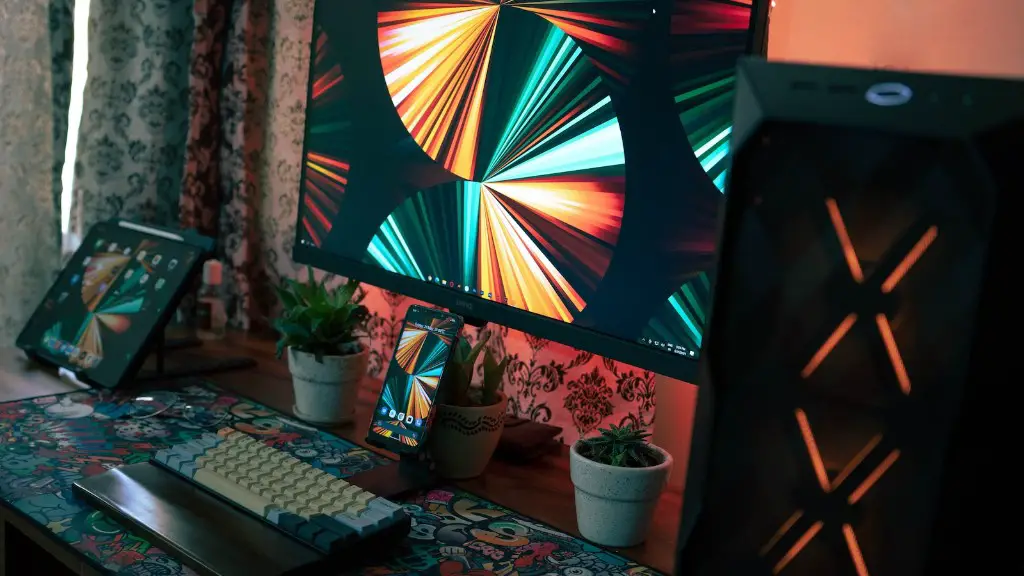
A gaming PC is often seen as an intimidating subject, but with proper research and understanding, it can be quite straightforward. Building a gaming PC is an exciting journey that involves several components and parts. This article covers the required components for a gaming PC, their purpose, and how to put them all together. There are five main components of a gaming PC: the case, motherboard, processor, graphics card, and memory. Furthermore, each of these components has various subcomponents that further improve the overall performance of the gaming PC.
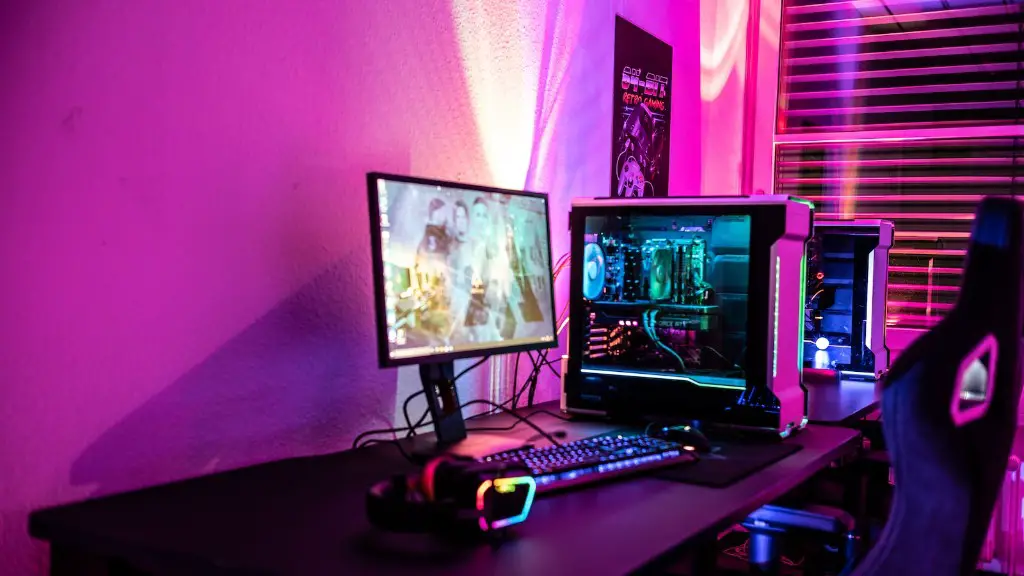
The gaming PC case is where all of the components will come together. It is important to select a case with ample space and cooling options, as it can make a substantial difference in the temperatures and noise of the gaming PC. Many cases also include features like internal RGB lighting, allowing users to customize their build’s appearance.
The motherboard is the central brain of the gaming PC, as it connects all of the components together. Modern gaming motherboards feature various technologies such as USB 3.2, Wi-Fi 6, and RGB lighting. This makes them excellent options for not just gaming but other activities such as streaming, content creation, and more.

The processor is the heart of the gaming PC, as it dictates the speed and performance. Ultimately, the processor should be selected based on the budget, as well as the gaming PC’s other components. More expensive processors tend to offer higher core count and higher clock speeds, which allows gamers to enjoy a more efficient, smoother gaming experience.
The graphics card is the powerhouse of the gaming PC, as it renders all of the visuals. It is crucial to select the correct graphics card for the gaming PC, as it will determine the resolution and frame rate. Furthermore, many graphics cards feature various technologies that further enhance the visuals, such as ray tracing and variable refresh rate, allowing for an even smoother experience.
Lastly, the memory, or RAM, is an often underrated component, as it can make a significant difference in how the gaming PC performs. Upgrading from 8GB to 16GB of RAM can make a noticeable difference in game loading times and multitasking. In addition to the capacity, the speed of the RAM also plays a role, as higher-speed RAM will result in better performance.
Cooling
In order to ensure a good gaming experience, a gaming PC requires adequate cooling. Without the proper cooling, the gaming PC can have performance issues due to heat buildup. This is why most gaming PC components include some form of cooling system. For example, processors feature integrated coolers, graphics cards have fans, and case fans are often needed. It is important to also consider aftermarket cooling options such as liquid cooling, as they can provide better thermal performance over standard cooling systems.
In addition, many cases also come with features such as dust filters and cable management, allowing for an easier build experience and better airflow. These features should not be overlooked, as they can make a world of difference in terms of temperatures and the aesthetics of the gaming PC.
Ultimately, cooling is an important factor for a gaming PC build, and it is something that should not be overlooked. Knowing which cooling system fits the needs and preferences of the gaming PC is essential for achieving optimal thermal performance.
Power Supply
Powering a gaming PC is just as important as the components inside the PC. It is essential to select a power supply (PSU) that provides adequate power for the gaming PC and its components to prevent issues such as shutdowns and instability. It is important to consider the power requirements of the components, as it will determine the size of the PSU needed. Furthermore, most gaming PCs require PSUs with 80 Plus certification, as it ensures better efficiency, reliability, and lower noise.
In addition to the size and certification, modular power supplies can be beneficial to gamers. A modular PSU allows users to only connect the cables that are needed, rather than having to manage a jumble of wires. This helps with the overall airflow of the gaming PC, as well as its aesthetics.
The power supply is an important, yet often overlooked, component for a gaming PC build. Selecting the right power supply can make a difference not just in terms of performance but also aesthetic appeal.
Storage
All gaming PCs need storage for installing games, as well as for storing music, videos, and other files. In general, most gaming PCs need at least one storage device, with some setups even require multiple storage devices.
Modern storage solutions are available in several form factors, such as 2.5-inch SSDs and 3.5-inch HDDs. SSDs offer faster performance and lower power consumption, while HDDs offer larger storage capacities and lower prices. For most gaming PCs, it is recommended to have at least one SSD as the primary storage solution, with a secondary HDD as an option for extra storage.
In addition, many gaming PCs also include some form of optical drive, such as a Blu-ray disc reader. However, this is becoming less common due to the emergence of streaming for media content.
Operating System
A gaming PC is not complete without a proper operating system. Most gaming PCs come loaded with some version of Windows, either pre-installed or via a retail copy. While Windows is the preferred operating system for most gamers, alternative operating systems such as Linux are also available. These alternative operating systems offer a similar experience to Windows but with better performance, reliability, and security.
In addition to the operating system, gaming PC users should also consider the inclusion of an anti-virus/anti-malware solution. As gaming PCs tend to be used for a variety of activities, anti-virus/anti-malware protection is a must-have for a secure gaming experience.
Peripherals
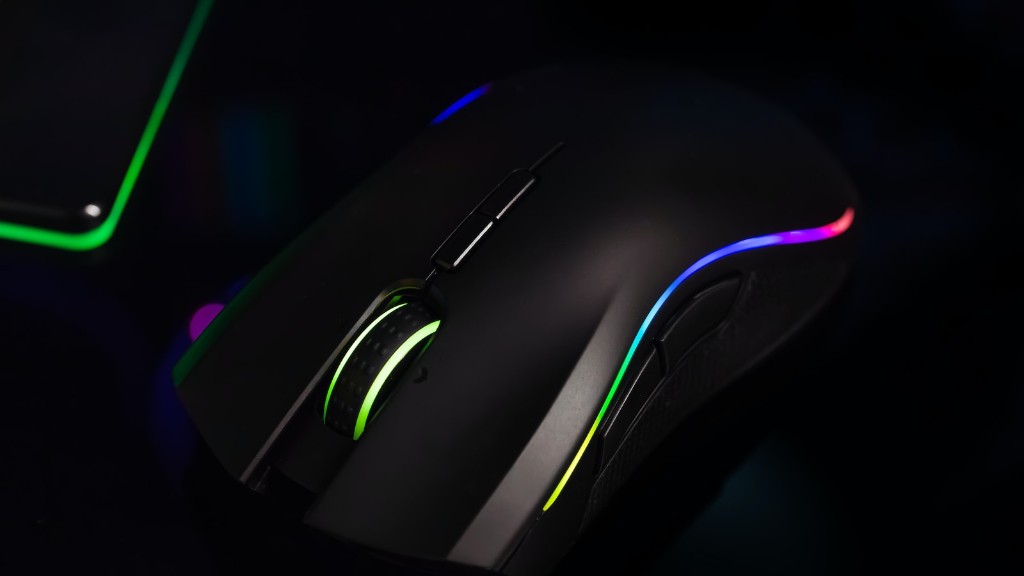
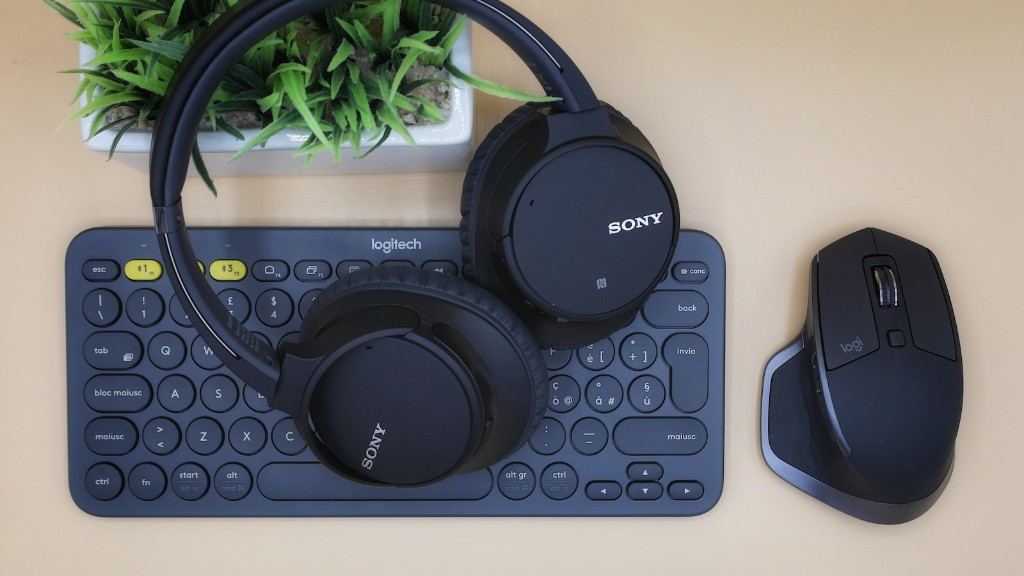
In order to complete the gaming experience, a gaming PC must also include various peripherals such as gaming keyboards, mice, and monitors. Depending on the budget, these peripherals can make an immense difference in the gaming experience. For example, gaming keyboards come with features such as mechanical switches and additional buttons, which make them substantially better than standard keyboards. The same can be said for gaming mice, which can contain additional buttons and premium sensors.
Lastly, gaming monitors are also important for a great gaming experience. In general, gaming monitors can provide higher refresh rates, better response times, and increased resolutions, which can result in a smoother experience.
Networking Equipment
Internet is a crucial part of the gaming experience, as it allows players to connect, play online, and download updates and content. In order to do this, a gaming PC requires various networking hardware such as ethernet cables, modems, routers, and network adapters.
Ethernet cables are most commonly used for a gaming PC, as they provide the most reliable and fastest connection. However, if Wi-Fi is desired, dedicated wireless cards or USB adapters can be used for a faster connection. Furthermore, for those looking for better speeds, a modem can be used for faster downloads and uploads.
Finally, a router is needed to create and manage a network. Selecting the correct router must be done with care, as it should be fast enough and provide enough coverage for all of the gaming PC’s networking needs.
Conclusion
Building a gaming PC can be quite an intimidating task, but with the right understanding and research, it can be made simpler. This article covers the necessary components and parts for constructing a gaming PC, as well as their purpose and benefits. Choosing the right components is essential for optimum performance and reliability, and it is important to keep the budget in mind when selecting them. With the right components and parts, a gaming PC will provide a great gaming experience and many years of service, allowing gamers to enjoy their favorite games.
