Gaming PCs use significantly more electricity than a standard computer. In fact, a gaming PC can use up to 1750 Watts, while the average computer uses just 350 Watts. The amount of power a gaming PC uses can be affected by numerous factors, including the type and number of components, the quality of the power supply and how long the system is in use. This article will briefly discuss why gaming PCs use so much more electricity and how this power consumption can be managed.
First, the components of a gaming PC are typically more powerful than those found in a standard computer. A standard computer typically only has enough power for basic tasks such as internet browsing, email and office documents. However, a gaming PC needs to run intensive software and applications, often with multiple graphics cards, processors and cooling systems. As a result, a gaming PC requires more electricity to power each component.
Second, the quality of the power supply can significantly affect the power usage of a gaming PC. Low-cost power supplies often lack the efficient power regulation that more expensive models provide. This can cause the PC to use more electricity than necessary, and can lead to system crashes and lower performance.
Third, the length of time in which a PC is in use can have a large impact on its energy consumption. PCs have a number of features that enable them to ‘wake up’ quickly after being in a low power state for a long time, but these features also consume energy. Therefore, gaming PCs should be kept in ‘sleep mode’ or shut down when not in use in order to ensure that the system uses as little energy as possible.
Finally, gamers can take measures to maximize the efficiency of their gaming PCs. Using components with high quality electrical specifications, using efficient power supplies and using power saving features on their PCs can all help reduce the amount of electricity their gaming PCs consume without compromising performance.
What Components Affect Power Consumption
Gamers must carefully consider the components they choose for their gaming PCs. Components such as CPUs, GPUs, RAM, and hard drives all affect how much electricity a gaming PC consumes. High-end components, such as those found in enthusiast PCs, typically require more electricity than basic components, so choosing components of a suitable quality is important for managing power consumption.
In addition to the type of components, the number of components can have a significant effect on power consumption. For example, adding a dedicated graphics card or a second graphics card will increase the power usage of the system significantly. Gamers should always ensure that the gaming PC only has the components and peripherals that are necessary.
Finally, gamers should choose higher quality components that have good electrical specifications. Lower quality components often lack the power efficiency features that higher quality components have, and this can cause additional power usage that can be avoided with higher quality components.
Graphics Cards and Power Consumption
Graphics cards are some of the most power-hungry components of any gaming PC, especially when playing modern games. High-end graphics cards typically require up to 400 Watts of power, and this can increase depending on other components and the system configuration. In addition, many modern games require multiple graphics cards to run at their best.
When choosing a graphics card, gamers should consider the power requirements of the card, as well as its performance. Higher quality graphics cards often have better power-saving features than lower quality cards, and this can help to reduce the power usage of the gaming PC without sacrificing performance.
In addition, gamers should consider using alternative cooling systems to reduce the power usage of their graphics cards. For example, many gamers use water-cooled graphics cards instead of air-cooled cards, as this can reduce the amount of power that the graphics card consumes while providing superior cooling capability.
Power Supplies and Power Consumption
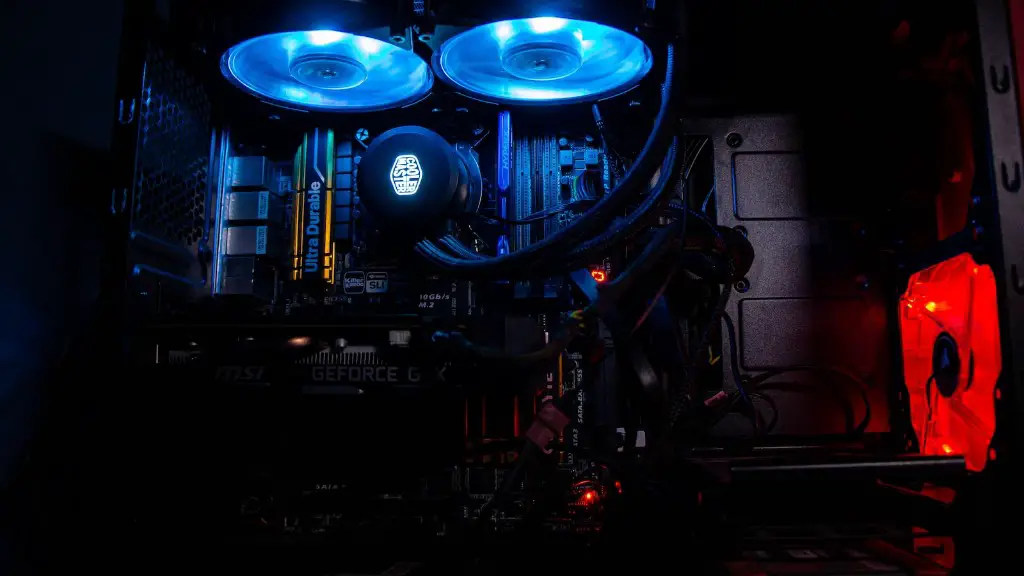
A power supply is the component responsible for providing electricity to the gaming PC, and it can significantly affect the amount of power the PC consumes. Low-cost power supplies often have poor electrical regulation, and this can lead to increased power usage and can cause system crashes and other issues.
In addition, power supplies are rated for the maximum power they can provide. Even if the components of the gaming PC require less power than the power supply’s maximum rating, having a higher rated power supply can provide better voltage regulation and reduce power consumption. This can help ensure system stability and reduce heat production.
Finally, gamers should opt for power supplies with higher efficiency ratings as these can significantly reduce the power usage of the gaming PC. 80 Plus certified power supplies are considered to be the most efficient and can reduce the electricity consumption of the gaming PC without compromising performance.
Power Management Features
Many operating systems, such as Windows 10, have power management features that can be used to reduce power consumption of the gaming PC. These features can enable the system to ‘wake up’ more quickly after being in a low-power state, and they can also enable the processor to adjust its clock speed depending on the task at hand.
In addition, modern graphics cards often have their own power management features. For example, most modern cards can be set to automatically switch between different clock speeds depending on the load. This can help reduce the card’s power consumption when the PC is idle and can provide better performance when gaming.
Finally, gamers should make use of the energy-saving features of their components. For example, many CPUs, GPUs and hard drives have features that cause them to use less power when the PC is in a low-power state. By taking advantage of these features, gamers can reduce their system’s power consumption significantly.
Conclusion
Gaming PCs use significantly more electricity than a standard computer. The components, power supply and power management features of a gaming PC can all influence the electricity consumption of the system. Gamers should choose components with high quality electrical specifications and select efficient power supplies to reduce the power consumption of their PCs without sacrificing performance.