
As technology advances, gamers and graphic designers alike have the option to equip their PCs with effective hardware components to handle gaming and graphic design purposes. For this reason, professionals have been asking: Is a gaming PC good for graphic design? In short, yes, and here’s why.
The most important element of a PC for both fields is its processor. Having a good-quality CPU is essential for gaming, as it helps to render graphics more quickly and smoothly. An effective processor is also necessary for graphic design, as it ensures that graphic-heavy tasks are completed without slowdowns. Additionally, a gaming PC provides more than enough RAM for both activities.
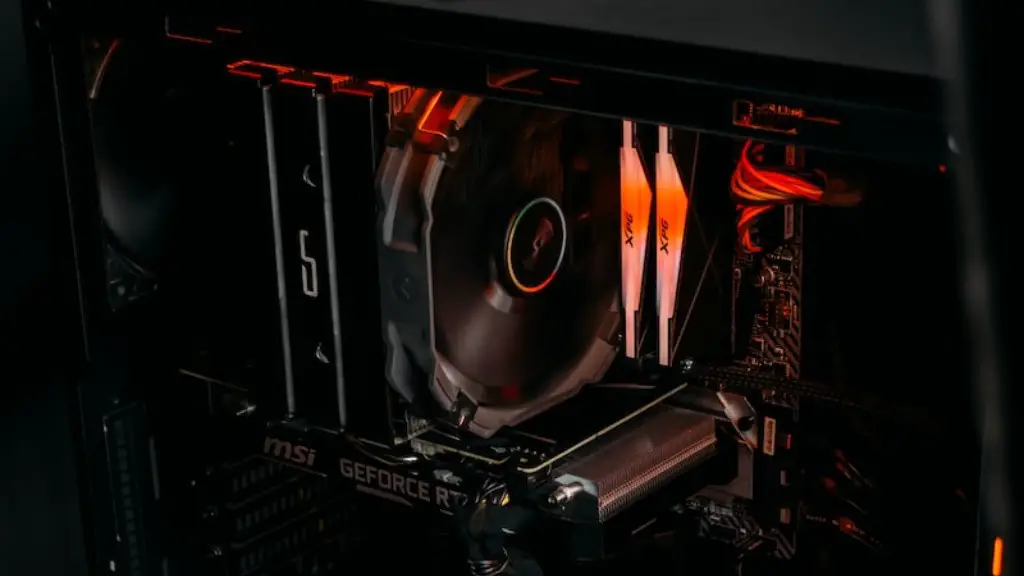
In terms of storage capacity, a gaming PC has a greater capacity than what would be necessary for graphic design. This is beneficial for those who require additional space for other tasks. Furthermore, dedicated GPUs (graphics cards) are a great choice for graphic designers and gamers alike, as they provide higher levels of performance.
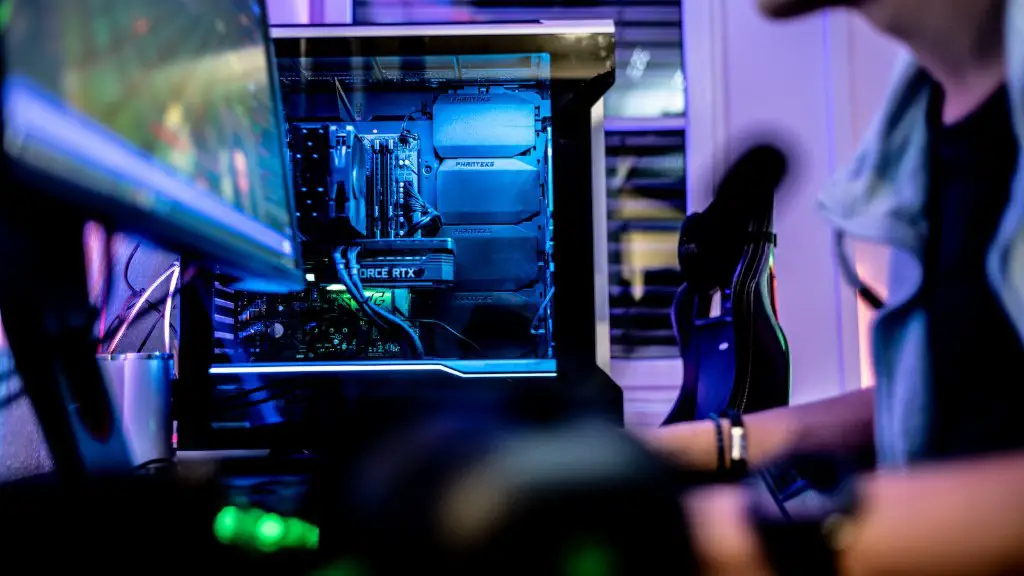
The fact that gaming PCs have more features than what would be necessary for graphic design is one reason they are so expensive. However, the added features are often worth the cost. For example, gaming PCs come with advanced cooling systems, which are beneficial for both gaming and graphic design activities.
In conclusion, a gaming PC is an effective option for graphic designers who are looking for a powerful machine. It provides a great balance between performance and affordability, while having features that are beneficial for both gaming and graphic design. It’s important to ensure that the components of your gaming PC are compatible with your design workflow and software to maximize effectiveness.
Benefits of a Gaming PC for Graphic Design
One of the main benefits of using a gaming PC for graphic design is its superior processing speed. A gaming PC can handle various processes quickly and efficiently, making it possible for designers to complete projects in a timely manner. Additionally, the latest gaming PCs come with advanced GPUs that offer enhanced graphic performance. This is beneficial for graphic design tasks such as creating 3D images and animations.
Having adequate storage capacity is essential for any graphic designer. A gaming PC is equipped with plenty of RAM and HDD memory to store high-resolution images and other large files. Additionally, gaming PCs are often equipped with other features such as overclocking, which can be a great benefit for graphic designers.
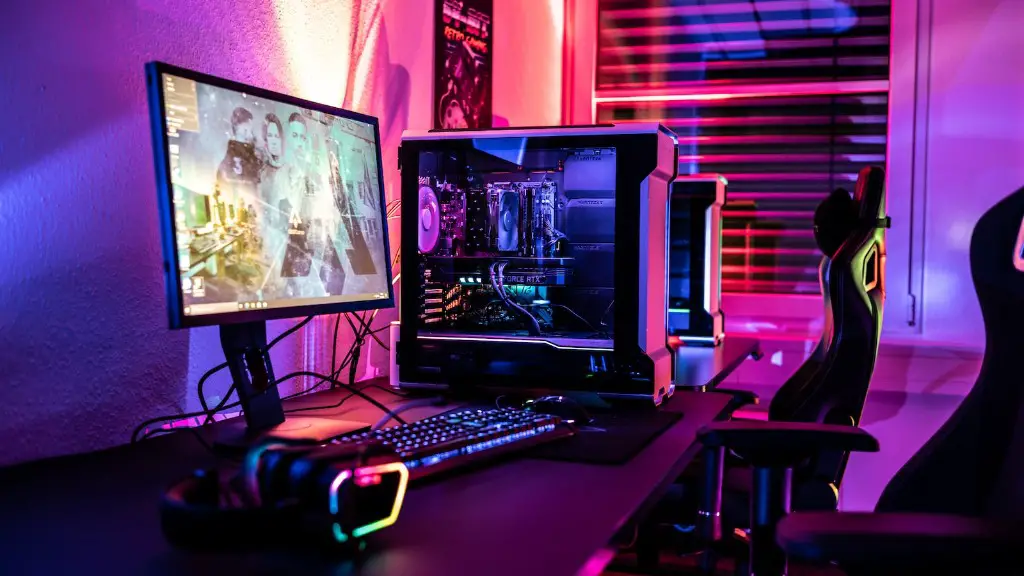
Gaming PCs are also designed to keep up with the latest trends in gaming technology. This means that gaming PCs are likely to come with the best cutting-edge hardware components. This can be beneficial for graphic designers, as cutting-edge hardware can make design processes much simpler and smoother.
In addition to the hardware components, gaming PCs often have better hardware support. This means that if something goes wrong with your hardware, you will be able to get assistance quickly and efficiently. This can be especially beneficial for graphic design professionals who rely on their PCs to generate an income.
Finally, gaming PCs can be a great choice for graphic designers who want to stay up-to-date with the industry. Because they come with the latest hardware components, they can be upgraded relatively easily. This allows you to stay ahead of the curve when it comes to creative technologies.
Disadvantages of a Gaming PC for Graphic Design
Although a gaming PC is an effective option for graphic designers, there are some potential drawbacks to consider. One of the main drawbacks is the cost. Gaming PCs are more expensive than regular PCs, and this can be a major drawback for those on a tight budget.
Another potential issue is the noise level. High-end gaming PCs generate a lot of noise, and this could be distracting for graphic designers who want to work in a quiet environment. Additionally, some high-end gaming PCs consume a lot of power, which can result in higher electricity bills.
Finally, gaming PCs come with features that may not be necessary for graphic design. This includes features such as overclocking, which can be inefficient and wasteful. For this reason, it’s important to ensure that you purchase the right components for your specific needs.
Aside from these issues, there are also potential hardware compatibility issues to consider. Graphic designers should be aware that some components may not be compatible with their particular workflows and software. For this reason, it’s important to check compatibility before purchasing.
The Bottom Line
In summary, a gaming PC is a great option for those who are looking for an effective machine for both gaming and graphic design. It offers the power and performance needed to create high-quality projects in a timely manner. However, it’s important to ensure that the components are compatible with your workflow and software, as well as taking into account the potential drawbacks such as cost, noise level, and power consumption.
Alternatives To A Gaming PC for Graphic Design
A gaming PC isn’t the only option for graphic designers who need a powerful machine. Graphics workstations, laptops, and tablets are all viable alternatives. Graphics workstations are purpose-built systems that are designed specifically for graphic design and digital content creation, so they are excellent options for those who need something specifically suited to these tasks.
Laptops and tablets are other alternatives to consider. Laptops are powerful and portable, with plenty of powerful hardware components. They are great options for graphic designers who need to work on the go or in multiple locations. Tablets, on the other hand, offer much of the same benefits as laptops, but are even more portable, making them great for those who need a convenient solution.
Finally, professional-grade graphics cards are also available for those who want the ultimate in graphics performance. Professional-grade cards are designed specifically for graphics professionals, and offer a much higher level of performance than standard graphics cards. They are also typically more expensive, so it’s important to ensure that you need the extra power before investing in one.
What To Look For When Buying A PC For Graphic Design
When looking for a PC for graphic design, there are a few key components to take into account. Firstly, look for a processor with enough speed and power to handle high-resolution images and other processes. Additionally, make sure you have ample RAM and storage space to store large files. And lastly, make sure that your graphics card is up to the task of rendering images and 3D models.
When it comes to cooling, it’s also important to make sure that the system is well-ventilated. High-end gaming PCs come with advanced cooling systems that ensure maximum performance, but these are not always necessary for graphic design. Instead, focus on finding a well-ventilated system that can keep temperature levels under control.
Finally, it’s important to check compatibility. Make sure that the PC’s components are compatible with the software and workflows you are using. Additionally, make sure that any additional features or components you purchase are compatible with your current setup.
