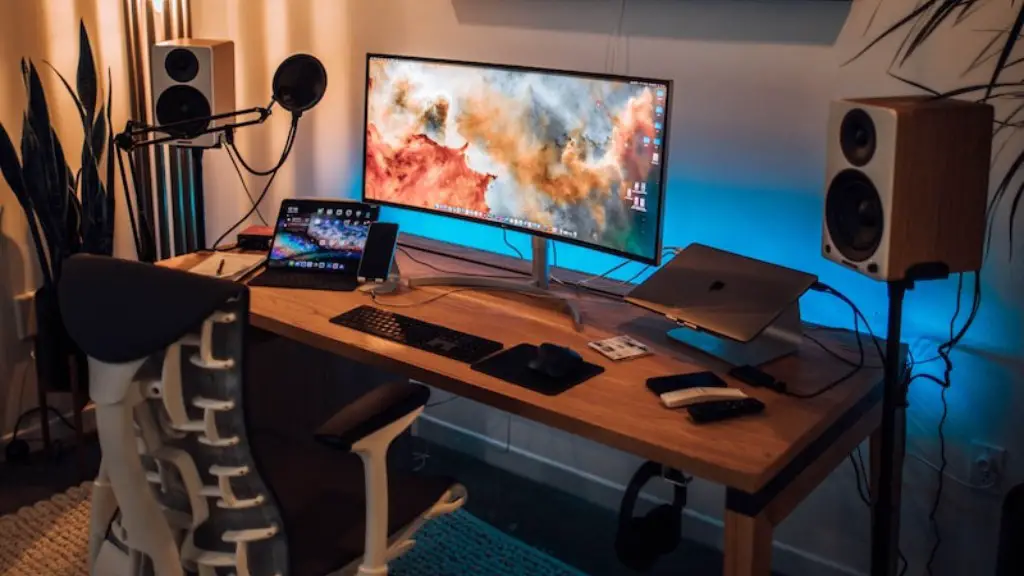
Building a gaming PC under 60000 may seem like a daunting task, but it doesn’t have to be. With a bit of planning and research, you can create an amazing machine that won’t break the bank. Here are the steps to take to build a gaming PC under 60000.
First, determine what hardware you need. Start by selecting a quality processor. There are plenty of good processors that cost less than 60000. Pick one that can handle the games you plan on playing and has the right number of cores. Also, consider the size of the motherboard to ensure that you’re able to fit all of the necessary components.
Next, choose your graphics card. Dedicated GPUs are practically essential for modern gaming and will cost a good chunk of the budget, so be sure to find a quality card that offers good performance for the price. Look for sales or promotions and read reviews to get the most for the money.
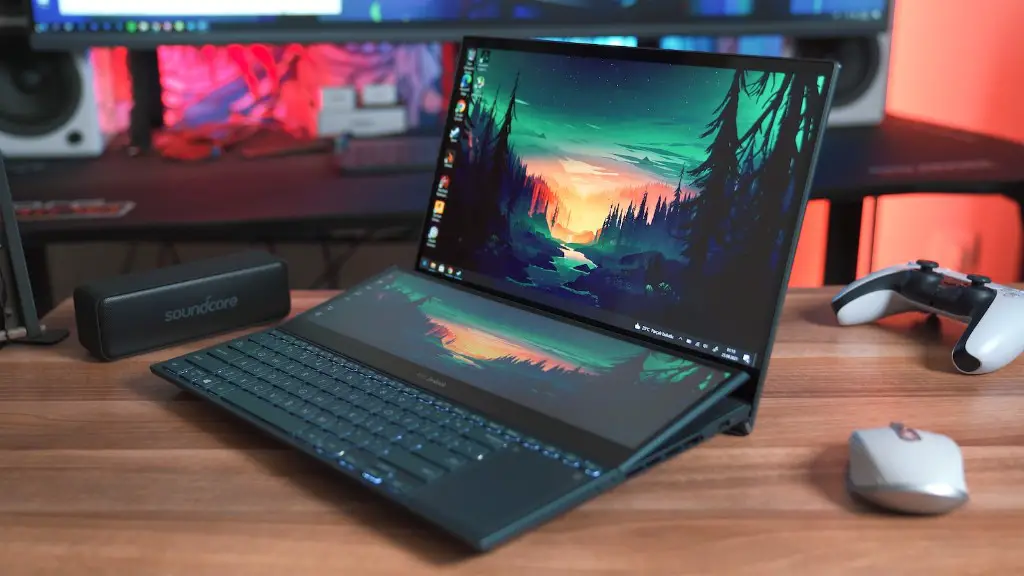
Third, choose a suitable RAM to pair with your processor. Higher grade RAM will offer a significant performance boost, so spend some time looking for the best deal and go for at least 8GB for a sturdy gaming setup.
Fourth, decide on a power supply. It is always best to err on the side of caution and get one that is slightly higher rated than what you need, to avoid any power issues. Many reputable manufacturers offer good deals, so do some research to save a few bucks.
Fifth, find a reliable storage solution. Consider the performance and capacity needs of your games and decide accordingly. Solid-state drives offer great performance but are usually more expensive per GB than hard drives, so weigh the two and determine which is best for your setup.
Finally, choose a case that suits your needs. Many cases come with extra features like dust filters, ventilation, lighting, and improved cooling for your parts. Pick the one that looks and works best for you, but also make sure that your components fit.
Getting the Right Operating System
An important part of building a gaming PC under 60000 is selecting the right operating system. Your options are generally either Windows or Linux, and each has its pros and cons. Windows gives you access to a huge library of games and app, but also comes with some potential security hazards. Linux on the other hand is more secure but has fewer game choices. Additionally, some games are browser or cloud based and won’t need any operating system at all.
Assembling the PC
Now that you have all of the components, it’s time to put it all together. Start by gathering the necessary tools like screw drivers, which will be needed to mount components in the case. Next, install the processor onto the motherboard, followed by the graphics card and RAM. Be sure to securely fit them in and double check your cable connections. Next, plug in the power switch and any additional cables. Finally, turn it on, and you should see a successful boot screen!
Optimizing Performance
After you’ve assembled the PC and done a few tests, start tweaking the settings to get the best performance out of your graphics card and other components. Lower the settings of resource-heavy games to get higher frames per second, look into overclocking, and tweak your cooling settings. With a little experimenting and tinkering, you can easily optimize your setup.
Ending Touches
Now that the functionality of the PC is sorted out, you can start adding the finishing touches. Get a comfy gaming chair, set up your monitor and other peripherals, adjust the lighting, and make sure all the cables are neatly tucked away. Have some fun with it and make it a truly unique gaming setup.
Saving Money
One of the most effective ways to save money on a gaming PC build is to buy used components. With a bit of patience and research, you can easily find cheap but well-performing components from reliable sellers. Your local computer store may also have second-hand parts, so don’t forget to ask!
Do it Yourself
If you’re feeling confident with your computer building skills, consider doing it yourself. Start by reading plenty of tutorials and guides before attempting it, and always take your time when assembling. Be sure to secure all of the components and double check your connections to prevent short-circuiting.
