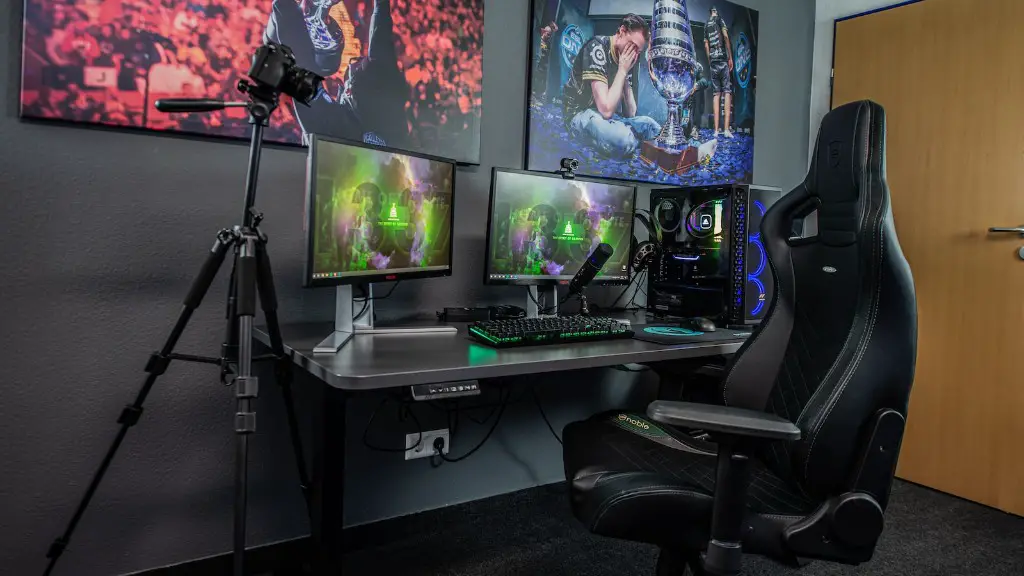
As more and people are turning to gaming, it is becoming increasingly important to know how to build a gaming pc for beginners. Building a gaming PC can be a daunting task for someone who may not have experience in the field. To make the process easier, this guide provides insight into the parts and components needed to construct a gaming pc and tips on what to consider when selecting components.
First and foremost, it is important to have a good gaming processor. Choosing a processor should depend on the type of gaming that the user intends to do; lighter gaming activities require less powerful GPUs whereas heavier gaming activities require a more powerful GPU. The processor should also be compatible with the motherboard to ensure smooth gaming performance. Additionally, it is important to consider the RAM size as this will determine how quickly the applications can run. Having sufficient RAM is key to ensuring smooth gaming and is essential for a good gaming experience.
After selecting a processor and RAM, users should decide on other parts such as the graphics card, storage, cooling system, and power supply. The graphics card is necessary for making the images and visuals look smooth. The storage should also be chosen according to the gaming needs; for example, SSDs are faster than HDDs and provide more storage space. Additionally, the cooling system should be considered as it prevents the machine from overheating when gaming. It is also important to make sure the power supply has enough wattage to run all the components.
Another important consideration when building a gaming pc is the case. Cases come in a variety of sizes and shapes, so finding the right case is important in order to make sure all the components fit in the right place. Additionally, users should make sure to keep the case clean to improve air flow and to avoid overheating of the components. Furthermore, cases also come with fans or lighting that can add customization. Furthermore, it is important to choose the right operating system, as this will determine what games can be played on the machine.
Finally, users should make sure to check the prices of all components before purchase. It is important to compare the prices of components from different stores to get the best value for money. Additionally, users should ensure that the components are compatible with one another. Furthermore, it is important to research the compatibility of the components with the motherboard to ensure the machine is running smoothly. Additionally, users should also take into account the spare parts and upgrades that might be required in the future.
Building the Gaming PC
Once all the components are acquired, users can begin the process of building a gaming PC. The first step is to choose the right casing, which should be chosen according to the size of all components. The selected case should also have the necessary cooling capabilities to keep the components running smoothly. After placing the components into the case, the next step is to connect the power supply. Wiring the components together is an important step, as it is important to make sure everything is wired properly. Additionally, it is important to install the correct drivers and software in order to optimize the performance of the machine. After this step is completed, users can begin to benchmark their machine and conduct stress tests to test the performance.
Upgrading Your Gaming PC
When upgrading a gaming PC, it is important to make sure the new parts are compatible with the existing components. Additionally, users should research the optimal settings for their PC to ensure the best performance. Upgrading components such as the processor, RAM, or GPU can improve the performance of the machine, while also increasing the lifespan. Furthermore, it is important to make sure the power supply has the correct wattage to run all the components, as too much wattage can cause instability. Additionally, the cooling system should also be taken into account when upgrading parts, as this can help ensure components do not overheat.
Optimizing Performance of Gaming PC
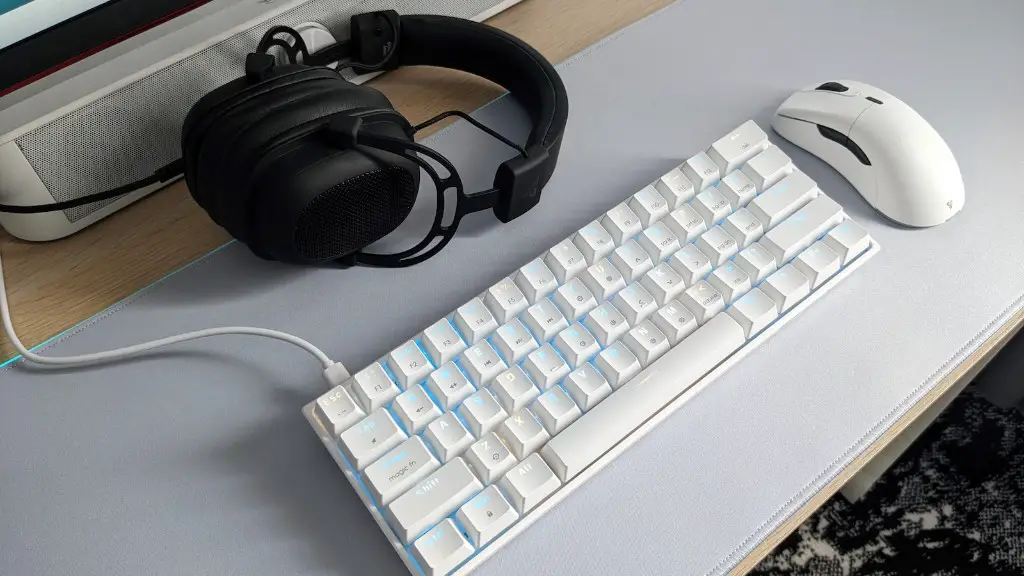
Optimizing the performance of a gaming PC is essential for ensuring smooth gaming experience. This can be done by turning off unnecessary applications and programs that are running in the background. Additionally, defragmenting the hard drive can help make the machine faster by consolidating fragmented programs and files. Furthermore, optimizing the BIOS settings can also help improve performance. Additionally, ensuring all the drivers are updated and up to date can also help improve performance.
Maintaining the Gaming PC
Part of owning a gaming PC is to maintain it properly. This includes monitoring the temperatures of all components, as this can help improve stability and performance. Additionally, it is important to make sure all the components are free of dust and debris, as this can cause overheating and instability. Cleaning the internal components can be done by using compressed air or a vacuum cleaner. Furthermore, it is also important to maintain the casing and to make sure all the drives are in order. Finally, it is important to keep the software and drivers up to date to ensure the machine is running optimally.
Installing Games on Gaming PC
Following the building of a gaming PC, users then need to install the necessary games and software. Depending on the operating system, users can purchase game packs from certain game stores such as Steam or GOG. After purchasing software, users should make sure to read the specifications of the game and ensure the machine meets the requirements. Additionally, a user may also need to install certain libraries and drivers to make sure the game runs properly. Additionally, it is important to make sure the machine has adequate storage to install games.
Troubleshooting
In the event of issues or problems, it is important to know how to troubleshoot the gaming PC. The first step is to isolate the issue; this can be done by testing each component individually or resetting the machine. Furthermore, if the issue persists, users should consult the manual or the warranty agreement of the components. Additionally, forums and support pages can provide useful information on how to fix problems. Professional technicians can also be consulted if the issue cannot be fixed by the user.
