
Modern technology is constantly evolving and expanding. Creating a portable device for gaming is becoming a popular and accessible way to play your favorite games. Building a handheld gaming PC of your own can be a time-consuming task, but the end result can easily be worth all the effort. Here are some steps to help you build a handheld gaming PC of your own.
First, gather the necessary components. Make sure you’ve got a decent processor and graphics card that are capable of running your favorite games. Accessories such as controllers, keyboards, and mouses are also necessary elements for your PC. You’ll also need an enclosure to house your components, as well as a battery for portable power.
Second, put together the design of your handheld PC. This includes deciding on the size and shape of the device, as well as what ports and buttons you want to include. Make sure your design is practical and that all the components fit within it.
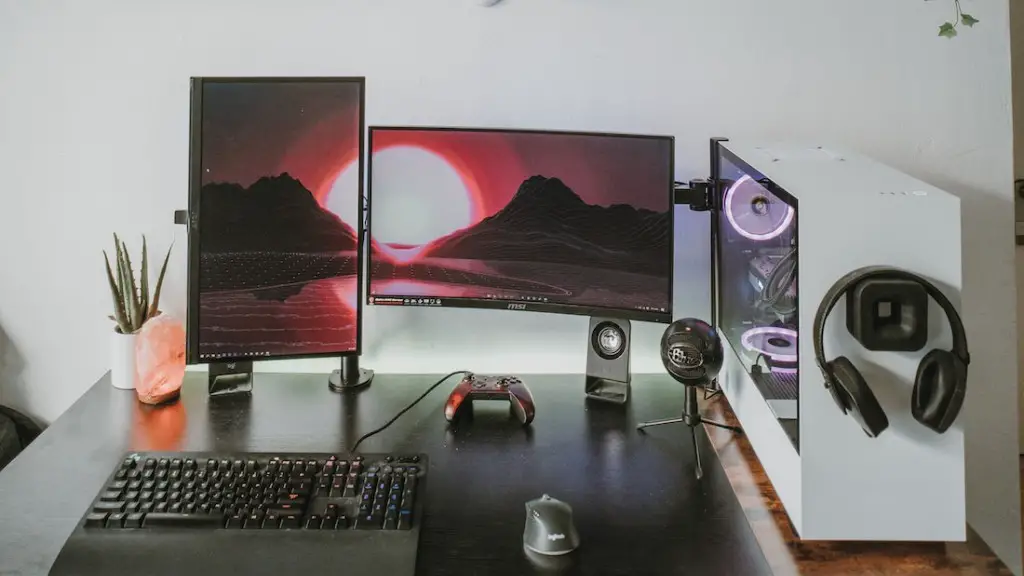
Third, assemble your device. Be sure to double-check every cable and connection to make sure all components are working properly. This is a crucial step that could make or break your gaming experience.
Fourth, install the necessary software. Depending on the operating system you’re using, this could include games, utilities, and other important programs. Be sure to update everything regularly to ensure optimal performance.
Fifth, test your device. Don’t launch right into the most intensive game you own; instead, run some lightweight games and other programs to make sure everything is working properly. If everything looks good, congratulations! You’ve successfully built a portable gaming PC of your own.
Alternative Parts Usage
When it comes to building a handheld gaming PC, it’s likely that you’ll want to use parts that are different from those used in normal desktop PCs. You’ll likely need a small form factor motherboard, lower-profile RAM modules and graphics cards, and a laptop-style hard drive to keep it all in place. In some cases, you might even want to look into unique parts such as a water-cooled CPU or custom-molded chassis.
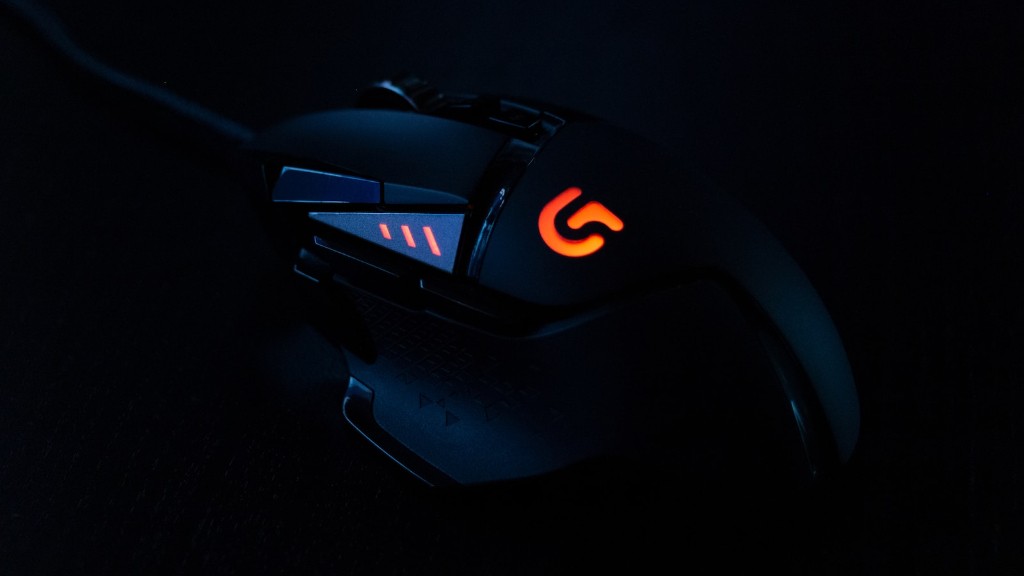
When choosing individual components, pay attention to their total power. The last thing you want is a device that throttles due to heat or power issues. To rectify this, make sure to get efficient parts that also fit in your budget. High-end parts can often yield better performance, but you don’t want to break the bank on something that won’t be used much.
Finally, consider the port selection of your particular device. If you’re planning on plugging in peripherals or connecting to an external display, you’ll want a device offering enough ports to do so. Make sure to double-check the specs for the components you’ve chosen to ensure that you’ve got enough ports available.
Storage Consideration
Storage is another important consideration for any gaming PC. Handheld devices are often limited in terms of the size of their internal storage, and as such you’ll likely need an external drive or some other form of storage solution. Storage drives such as SD cards and USB sticks can easily be used, but if you’re looking for more storage space you’ll likely need to opt for an SSD or HDD.
External storage can be beneficial in terms of preservation and convenience. They can keep your internal storage clean, allowing you to install and move your games around on external drives as necessary. If you plan on playing games remotely, keep your games on an external drive to make it easier to bring your library around.
When selecting a storage drive, it’s important to consider read and write speeds. This will determine the speed at which you can transfer data, and therefore how quickly your files can be transferred and loaded. Faster drives are usually more expensive, but can make a big difference in terms of performance.
In addition to this, you may want to make sure that your device offers enough ports for connecting your storage drive. If you’re using a laptop-style hard drive, you’ll want to make sure your device has a slot for it. If you’re using USB sticks or external SSDs, you’ll need enough USB ports for that.
Cooling System
Temperature is another key consideration when building a handheld gaming PC. Due to their size, these devices typically have limited space for cooling. As such, you’ll want a cooling system that offers enough cooling capacity to keep your device from throttling or overheating.
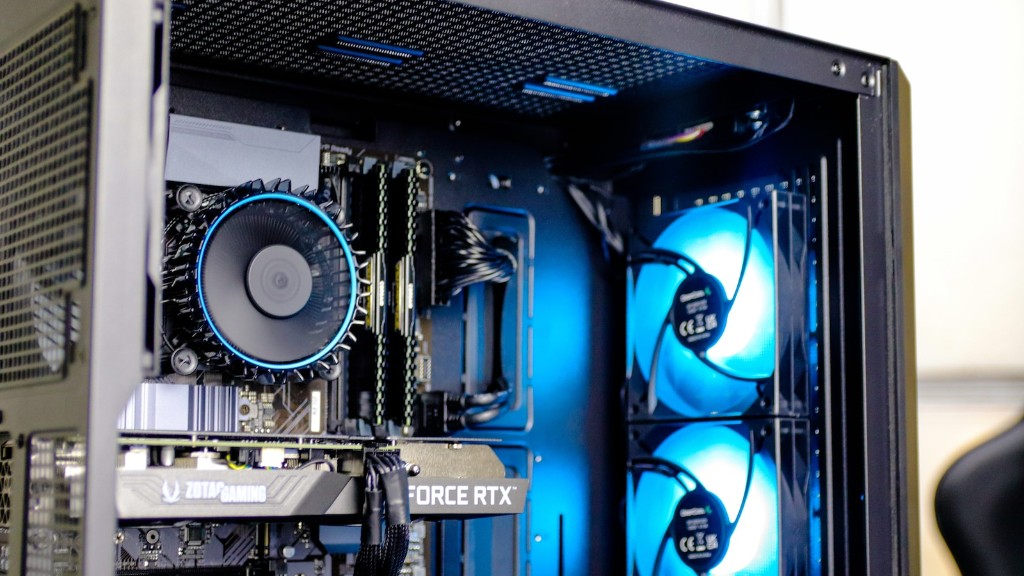
This can be addressed in a variety of ways. If you’re using traditional desktop components, you’ll likely need to install a desktop-style cooler inside the device. If you’re using laptop components, you may be able to get away with using passive cooling or a laptop-style cooling system. Whichever type of cooling you use, make sure to double-check the temperature of your components regularly to ensure that they’re not running too hot.
In some cases, you may even opt for a water-cooled system. These can be incredibly effective, but they can also be expensive. If you’re looking to keep your costs low, though, they can be a great option.
Finally, your cooling system should have enough airflow. Using a fan in your enclosure can help keep air flowing, but you may also want to consider installing some ventilation holes to ensure that air can make its way in and cool the components.
Assembly and Testing
Putting the last finishing touches on your device is another key part of the handheld gaming PC building process. Before fully assembling everything, make sure that all the components fit together in the way you intended and that all the cables are securely connected. Once everything looks good, you can proceed to putting all the components together.
Be sure to take your time when assembling everything. Make sure all the connections are properly secured and that the components are properly secured in their respective parts. Doing so will ensure a better-performing device in the end.
When you’ve completed the assembly, it’s time to test your device. Run some lightweight games and other programs to make sure that everything is working properly. Pay special attention to the temperature of the components to make sure they’re not running too hot.
Once you’ve tested everything and you’re confident in the performance of your device, you’re all set and ready to go. Congratulations! You’ve successfully built a high-performance handheld gaming PC of your own.