The connection between a gaming keyboard and a laptop can be complicated, especially to those with no technical experience. However, with the right instructions, anyone can easily connect their keyboard to their laptop. To begin, a suitable USB port needs to be identified on both the keyboard and laptop. This port should have a “male” USB symbol which will match the “female” port on the laptop. After establishing a suitable port, the USB cable needs to be plugged in. It’s important to ensure that the connector securely fastens into the port before attempting to connect the laptop and keyboard. Now that the connection has been established, the next step is to install the necessary drivers. This should be done through the laptop’s operating system, and ideally the keyboard should have come with its own drivers. If this isn’t the case, then drivers can be downloaded from the manufacturer’s website. Once the drivers are installed, a reboot may be necessary to test the full connection between the laptop and the keyboard. If successful, the keyboard should be ready to use, and you’ll now be able to configure whatever settings you need to complete your gaming experience.
Considering Keyboard Compatibility
It’s important to consider compatibility when connecting a gaming keyboard to a laptop. Laptops are usually limited in the types of keyboards they can connect to. Some gaming keyboards take up too much power or require additional hardware components to connect. If this is the case, the laptop won’t be able to power the keyboard and the connection may not be completed. However, if the keyboard is within the specifications of the laptop, it can easily be connected without any issues. It’s worth checking the compatibility of the keyboard before attempting to connect it to the laptop.
Troubleshooting Connection Issues
If the initial connection doesn’t work, or if keys on the keyboard are not functioning then there may be a few simple steps to troubleshoot the issue. Firstly, try and unplug the USB cable and plug it in securely. In some cases, the cable may be loose. Secondly, it’s worth checking to see if the laptop’s USB ports are working. If they are not, then the connection can’t be made. Thirdly, any extra hardware that might have been connected to the laptop can impact the connection. If this is the case, then it’s worth turning off these items to see if the connection debugs itself. Lastly, the laptop should be rebooted and the necessary drivers should be reinstalled. This might just be the thing that solves the connection issues.
Testing The Connection
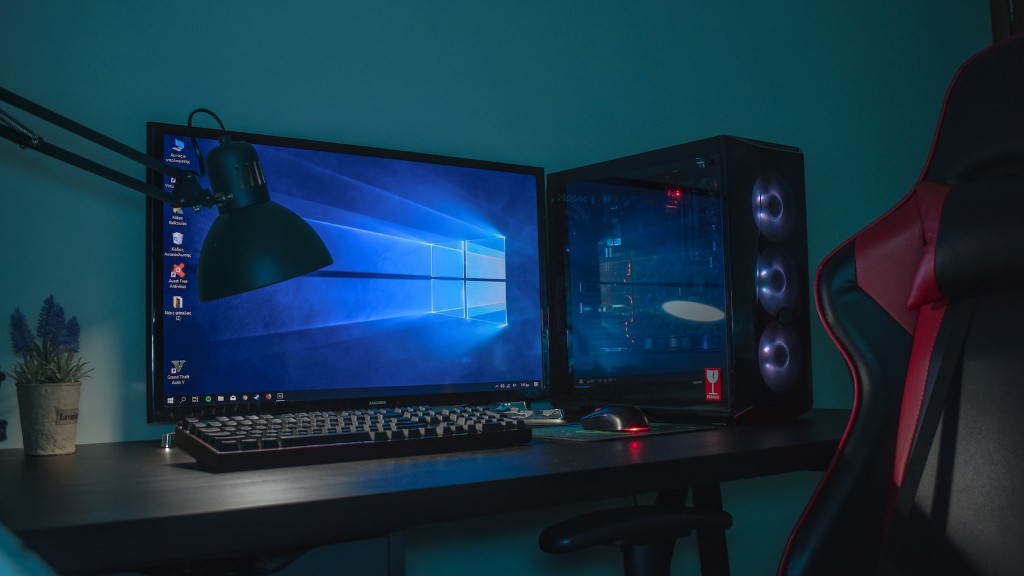
Once the connection between the laptop and gaming keyboard is established, it’s important to switch on the keyboard and test it out. This can be done via an online game or any other relevant software that requires the gaming keyboard. During this process, any keyboard settings or software related to the keyboard can also be tested. This testing is necessary to ensure the full access of the keyboard’s features, before adopting it into any larger gaming experience.
Considering Additional Connections
In more sophisticated setups, additional connections can be necessary. USB hubs, for example, may be used if more than one keyboard is necessary for gaming purposes. These USB hubs can help extend connection capability, allowing more than one keyboard to be connected to a laptop at once. Alternatively, some keyboards may be connected wirelessly and will require a USB dongle. This connection should function in the same way as a wired connection, although wireless connection is insufficient for any intense gaming experience.
Updating Drivers
One of the most important parts of connecting a gaming keyboard to a laptop is by downloading and installing the latest drivers. This should be done via the laptop’s system and won’t require any disc. These drivers may be specific to the laptop’s OS or they may just be the generic keyboard drivers the keyboard came with. It’s important to ensure the latest drivers are being downloaded, as this helps to guarantee the stability of the connection between the laptop and the keyboard.
Adding Software
Aside from downloading drivers, certain software can be useful for gaming purposes. This may include things like macros and features that are not visible when using a normal keyboard. This software should come with the keyboard and must be installed via the laptop’s system. Once the software is installed, this should help enrich the overall gaming experience with the keyboard. Additionally, certain gaming-specific features, such as buttons for rapid-fire, can be activated and tested as needed.
Verifying The Connection

Once all the necessary drivers and software have been installed, the last step is to verify the connection. This should be done with a simple quick test that can be performed via a game or any gaming platform. During the test, any extra connections that were set up should be tested as well. This includes any USB hubs or wireless dongles. After the test is complete, the laptop and gaming keyboard should be ready to use.
