Introduction
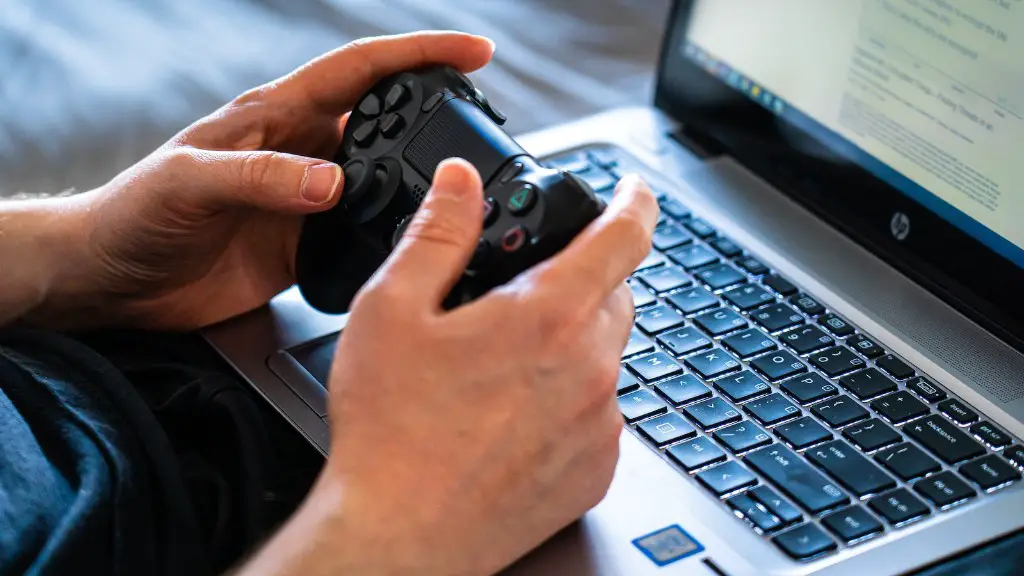
When it comes to buying a laptop for video editing, most people choose a desktop or a traditional laptop for its superior hardware characteristics. But nowadays gaming laptops are becoming more popular among video editors. The question still remains: is it worth investing money in such a laptop or not? This article will explain whether a gaming laptop is suitable for video editing or not and which features to look out for when making the purchase.
Advantages of Gaming Laptops
One of the main advantages of gaming laptops over other types of computers is their ability to run demanding computing tasks. They are equipped with powerful processors, large amounts of RAM, and high-end graphics cards. This means that they can handle video editing with ease and can even handle complex 3D effects and graphics work.
Furthermore, gaming laptops can run multiple programs and applications at the same time without slowing down or crashing. This is especially useful for video editors who often have to switch between multiple editing applications.
Finally, gaming laptops are usually lightweight and portable, making them ideal for on-the-go editing. Video editors don’t have to stay in one place to keep up with their work, as they can take their laptop with them on trips or to a location to work.
Disadvantages of Gaming Laptops
The main disadvantage of gaming laptops is the cost. Gaming laptops are usually much more expensive than their traditional counterparts, and their hardware components may not be suitable for video editing.
Another disadvantage is their overheating capabilities. Gaming laptops have powerful hardware that generates a lot of heat, which is then transferred to the laptop’s fan. This can cause the laptop to get hot quickly, and this can cause problems if the laptop is running continuously for long periods of time.
Finally, battery life can be an issue for gaming laptops, as the hardware consumes a great deal of power. This means that the laptop needs to be plugged into a power outlet for most of the time. This can be a limitation for video editors who want to work remotely.
Hardware Requirements for Video Editing
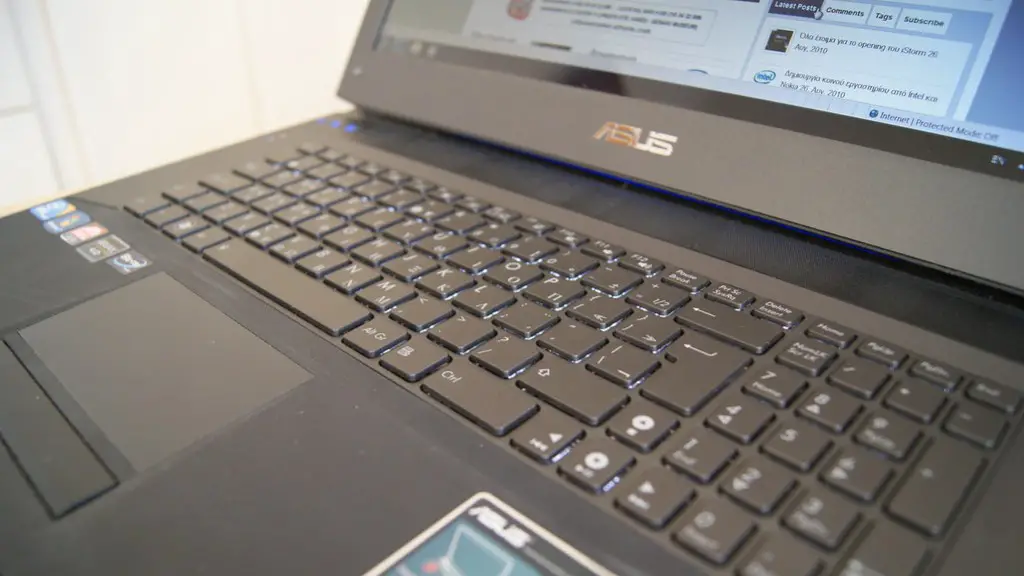
When selecting a laptop for video editing, it is important to consider the hardware requirements of the software applications being used. Most video editing software requires a minimum of 8GB of RAM, a multi-core processor, a dedicated GPU, and at least 500GB of storage space.
For more complex projects and tasks such as editing large videos and editing 4K videos, the laptop should be equipped with more powerful components, such as a dedicated GPU with at least 4GB of VRAM and a processor with 6 or 8 cores.
It is also important to consider the laptop’s display, as many video editing tasks require accurate colour reproduction. Most laptops offer HD or Full HD resolution displays, but some gaming laptops offer 4K displays for better colour accuracy.
Portability and Heat Management
Portability is an important factor for video editors as they often need to work in different locations. This means that the laptop should be lightweight and slim, and have a long battery life so that it won’t need to be plugged in to a power outlet all the time.
Heat management is also an important factor, as powerful graphics cards and processors generate a lot of heat, and this can cause the laptop to overheat quickly. So make sure to invest in a laptop with good ventilation and cooling systems.
Software Support
Another important factor for video editors is software support. Most editing applications are designed for Windows and macOS, but some applications may only be able to run on certain versions of each operating system. Therefore it is important to check with the application’s developer before making the purchase.
Budget
Finally, budget is a major consideration when selecting a laptop for video editing. Gaming laptops are usually much more expensive than their traditional counterparts, so be sure to check your budget before making the purchase. It is also a good idea to invest in accessories such as an external HDD, a mouse, and a keyboard to make the laptop more suitable for video editing.
Storage Space

Storage space is a key factor in video editing as videos take up a lot of space. So a laptop should offer enough storage space to store the video files. Most laptops offer 500GB or 1TB of storage, but some gaming laptops offer larger amounts of storage and even SSD options.
Conclusion
All in all, a gaming laptop can be a great choice for video editing if the user knows what to look for. Make sure to check all the hardware requirements, portability options, software support, budget, and storage space before making a purchase. With the right laptop, video editing can be a breeze.
