
Introduction
Whether someone is a hardcore gamer or just casual, the age-old debate of gaming laptop or pc will always be a subject of much discussion. To make the right decision, it is vital to take into account the differences between the two types of hardware and how they can affect the overall gaming experience. Factors like cost, hardware performance, peripherals and gaming library must be considered as well. Ultimately, the best choice for one person may not be the best for another, as there are a variety of factors to consider when choosing between a gaming laptop and pc.
Hardware Specifications
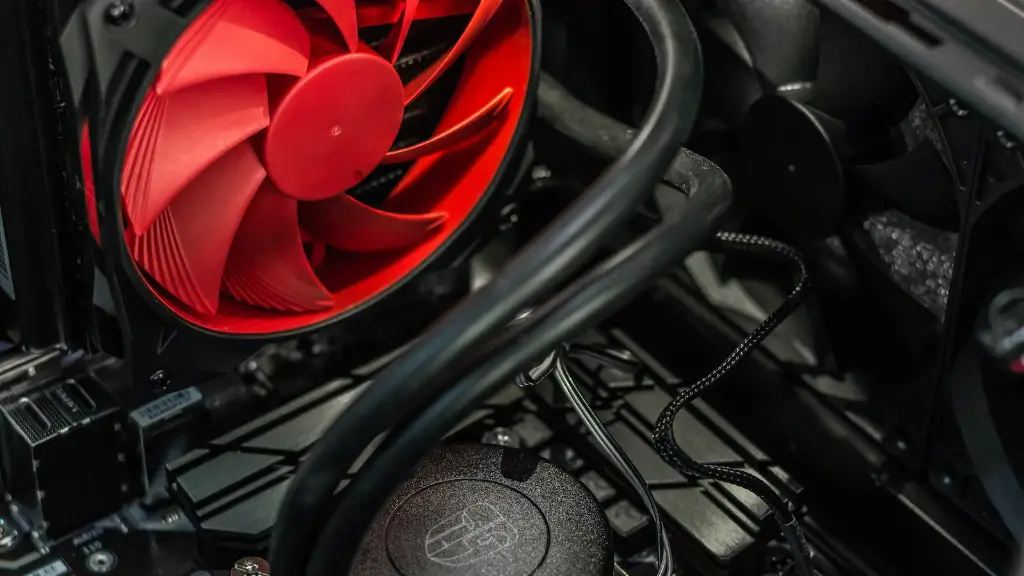
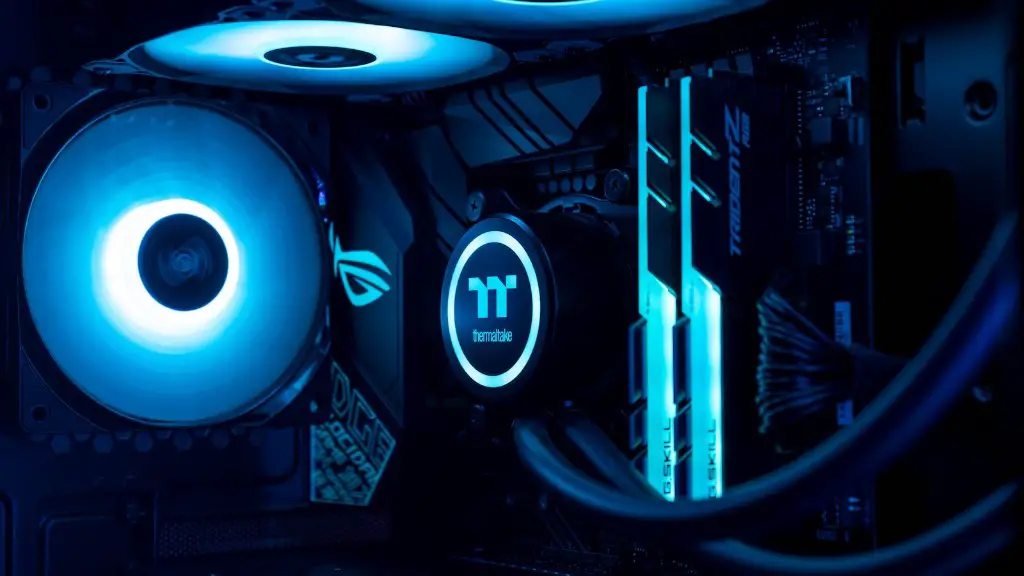
When comparing laptop and PC, it is important to consider their hardware specifications. Gaming laptops typically use technologies that are specifically designed for gaming such as high-end graphics cards, multiple storage drives, and powerful processors. On the other hand, PC gaming can be further customised to include the best parts available, allowing gamers to potentially save money and still get the best performance possible.
Portability
For gamers looking for portability, laptops are the obvious choice. Laptops can be used wherever there is an internet connection, making them ideal for on-the-go gaming. Furthermore, because laptops are designed to be lightweight, they are easy to transport from one place to another. PCs, on the other hand, are not as portable and require a dedicated space from which you can enjoy your gaming.
Cost
Another factor to consider is the cost. Gaming laptops are notoriously expensive, with the higher end models costing thousands of dollars. This cost can be offset by the fact that the laptop can often be used for both gaming and productivity applications. PCs, on the other hand, are cheaper in the short run but require more expenses to maintain over time.
Peripherals
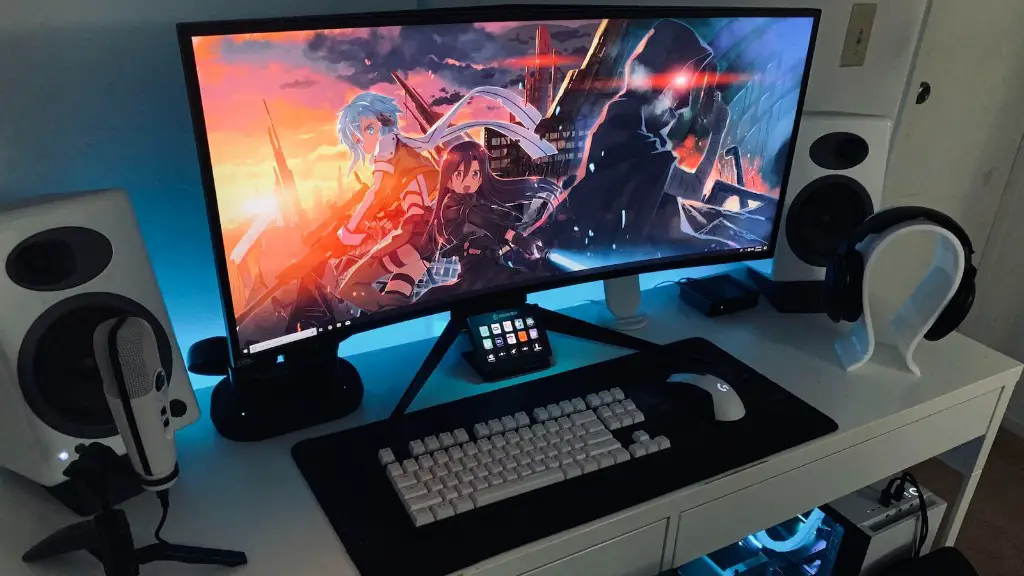
The gaming experience can be further enhanced by incorporating peripherals such as gaming controllers, headsets and monitors. For laptops, peripherals are available but often need to be bought separately, which can add to the overall cost. For PCs, the wide variety of peripherals available significantly increases the potential for an unforgettable gaming experience.
Gaming Library
The availability of the gaming library should also be taken into account when comparing laptops and PCs. Laptops typically have access to the same library as PCs, but their hardware may be more limited which may affect their capability of running certain games. PCs, on the other hand, have access to a much wider range of games thanks to their powerful hardware.
Conclusion
At the end of the day, deciding between a gaming laptop and PC is a matter of personal preference. It is important to consider factors like hardware performance, cost, peripherals and gaming library when making the decision. Ultimately, the best choice for one person may not be the best for another, so it is essential to weigh the pros and cons of each platform before making a purchase.
Battery Life
When choosing a gaming laptop or PC, battery life is an important factor to consider. Gaming laptops typically have shorter battery life due to the power-hungry components they use. On the other hand, PCs do not require much power and can run with minimal power consumption. This means that if someone is looking for a device that can be used for prolonged gaming sessions, then a PC may be more suitable.
Software Support
Software support is another important factor when selecting between a laptop and PC for gaming. Laptops are limited by the software and hardware they are designed to run, while PCs are able to support a wide range of gaming software. This means that PCs are able to run games that require better hardware specifications, and they are also able to support new games with compatible graphics cards and processors.
Upgradeability
Upgradability is another point of comparison between gaming laptops and PCs. With PCs, gamers have the flexibility to upgrade and replace components whenever necessary, as well as incorporate new hardware. This ensures that users have access to the latest technology for the best possible gaming experience. On the other hand, laptops do not have the same level of upgradability as PCs, as their hardware and components are pre-installed and are not easily replaced.
Fan Noise
Another point to consider when choosing between a gaming laptop and PC is the fan noise. PCs often have powerful cooling systems that can produce a lot of noise, while gaming laptops usually have smaller, quieter fans. This means that if someone is looking for a quieter gaming experience, then a laptop may be the better option.
