Which Is Better Gaming Laptop Or Gaming PC?
For gamers, selecting the right console is often a major dilemma. Whether they opt for a desktop or a laptop primarily depends on the individual gaming requirements. While both offer powerful performance and plenty of customizations to meet the demands of demanding titles, both also come with their own advantages and disadvantages.
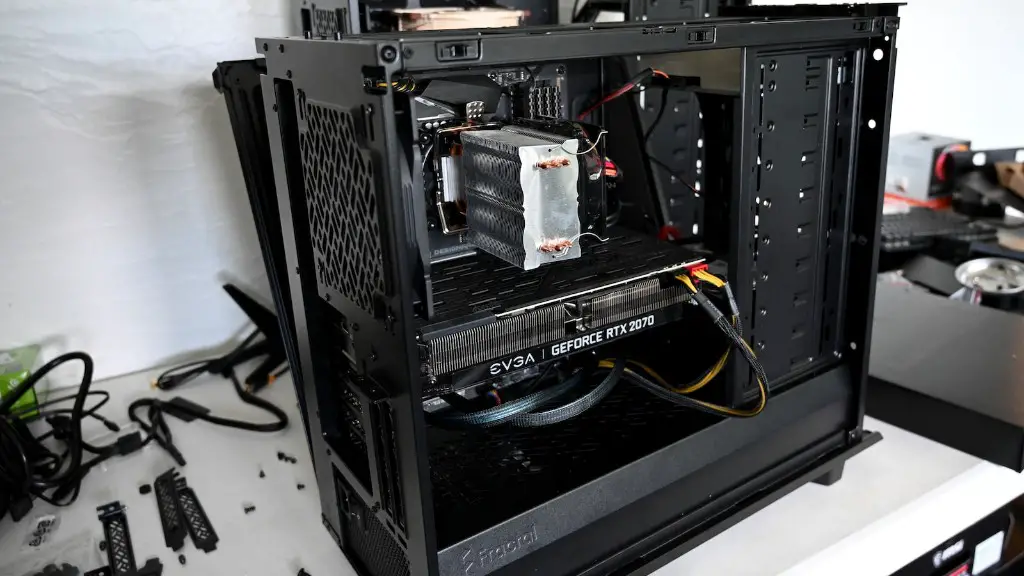
When it comes to graphics and visuals, desktop PCs are usually the clear winners. PCs optimized for gaming usually feature dedicated graphics cards, such as the popular AMD R¬¬adeon and NVIDIA GeForce series. These offer exceptional performance compared to integrated graphics chips found in laptops. For an immersive gaming experience, dedicating a powerful GPU for gaming is often necessary.
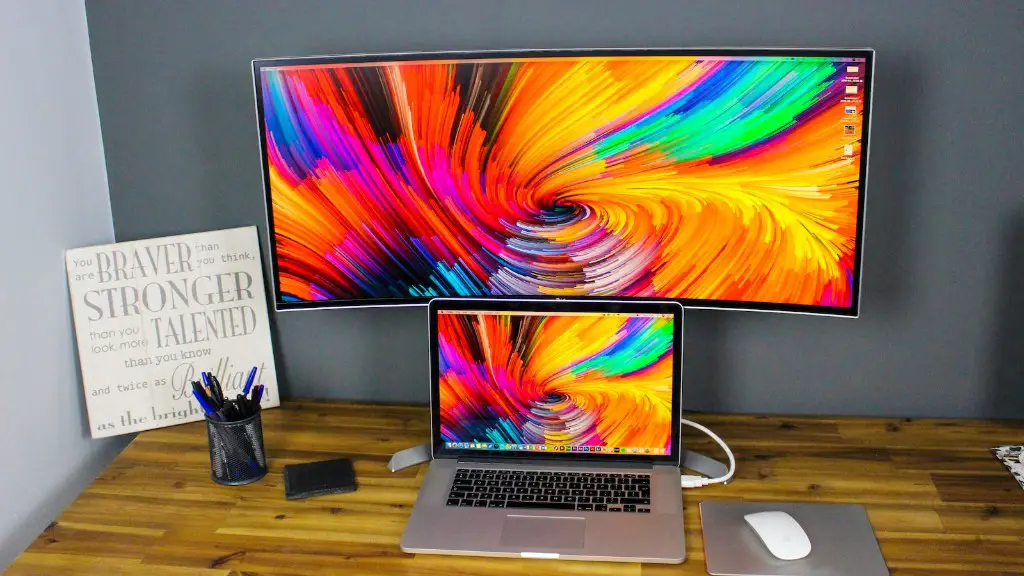
On the other hand, a laptop offers more portability than a desktop computer. Laptop gaming is more suitable for gamers who like to take their gaming experience with them, whether they are travelling or when they need to leave the house. Older games can run smoothly on laptops, but more demanding titles may unfortunately not run well without dropping the graphics settings considerably.
The price is also a factor when choosing between a gaming laptop or gaming PC. A top-of-the-line gaming PC can cost up to $4,000, while mid-end laptops cost around $2,000. Although laptops are more expensive tablet for gaming, it allows players to enjoy their favorite titles from the comfort of their couch or bed, while PCs might be better suited for those who are looking to make a long-term investment that can be upgraded and maintained over time.
From an upgradability standpoint, desktops offer higher customizations options because they are not limited by the small form factor like laptops. This also allows gamers to upgrade parts as they become outdated, without having to replace the entire system. For a laptop, to upgrade RAM or storage means changing the entire system.
In the end, the decision between gaming laptop or PC depends on the individual’s preferences, such as portability and budget. Both offer good performance and customizations, but depending on a user’s individual needs, one can be more suitable than the other.
Which Gaming Laptops To Select?
When shopping for a gaming laptop, there are a few major specs to consider. The most important factor is to make sure the laptop is equipped with the latest processors from Intel or AMD, as well as enough RAM. If a laptop has 4GB RAM, it won’t be able to handle newer games. 8-16GB RAM is usually sufficient for gaming purposes.
Storage is also an important factor to consider. Solid-state drives offer significant performance boosts over traditional hard drives and significantly reduce loading times. Gaming laptops also feature dedicated graphics cards and higher-end CPUs than regular laptops. For gamers who need power on the go and can’t use a desktop PC, gaming laptops are the perfect solution.
The other important part to look out for is the display and battery. A good laptop should have a display with at least 1080p resolution. Battery life is also important, as gamers often play their games away from an outlet. The best laptops usually last for more than 8 hours on a single charge.
Which Gaming PCs To Select?
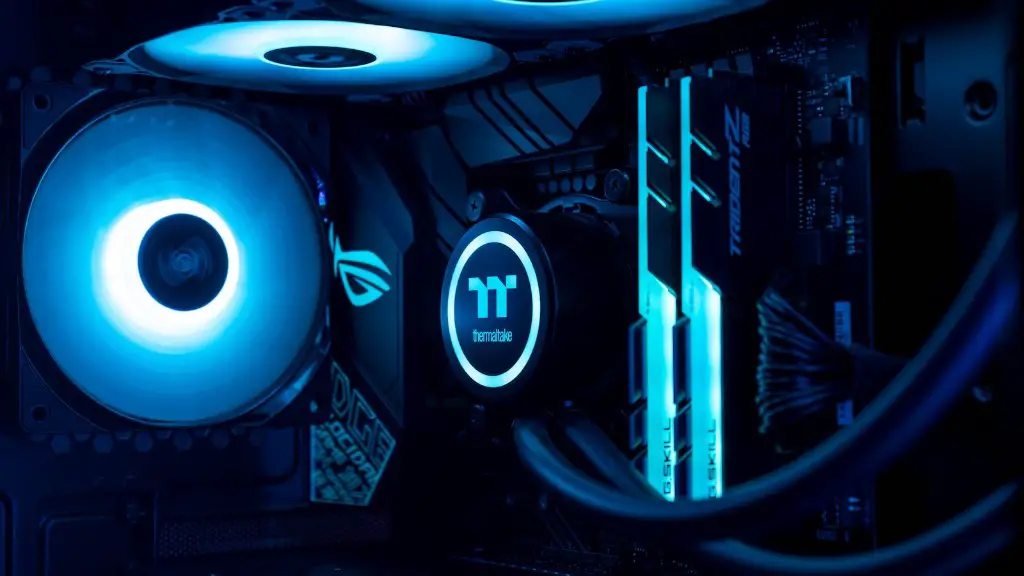
When choosing parts for a gaming PC, several components to consider. It is important to choose parts from reliable brands with proper customer support, such as ASUS, MSI, Gigabyte, etc. With a custom-built PC, gamers can customize build components such as processors, storage, graphics cards, etc. according to their preferences and budgets.
Starting with the processor, Intel Core i7 and AMD Ryzen series usually offer the best performance for gaming purposes. In addition to that, gamers should consider graphics cards such as the popular NVidia GTX and AMD Radeon series. A good graphics card can significantly boost gaming performance, while a weak one may result in slow loading times and laggy frames.
Furthermore, gamers should also consider storage and RAM. Solid-state drives offer much faster loading times while hard drives offer larger storage capacities. For the RAM, faster and higher capacity is always better. An 8GB to 16GB RAM is usually sufficient for gaming purposes.
Pros And Cons Of Gaming Laptops Vs Gaming PCs
The main advantage of a laptop is portability. Gaming laptops offer powerful performance in a compact, lightweight form factor. This is perfect for gamers who need to take their gaming experience with them on the go. On the other hand, desktop PCs are larger and often more expensive, but their upgradability and customizations options are much higher.
When it comes to gaming performance, desktop PCs usually offer more power than laptops. This is because PCs feature higher-end GPUs and more powerful processors. Furthermore, high-end PCs are often more future-proof, as they can be regularly upgraded with newer hardware.
Software And Compatibility
Most games are compatible with both PCs and laptops, but as mentioned earlier, laptops may not be able to handle more demanding games. In addition, some games are also not available for laptops, as they require more power or have limited laptop support. Lastly, some games may not be compatible with the operating system of a laptop.

Software such as Steam is also available for both desktops and laptops. Steam is an online gaming store that provides access to thousands of titles, as well as free and discounted games. Although Steam is available for both PCs and laptops, some titles are exclusive to one platform or another.
Conclusion
To sum up, both laptops and desktops offer powerful performances when it comes to gaming. Gamers must assess their individual requirements, such as portability and budget, to decide between gaming laptops or PCs. Laptops are more portable and may cost less, while desktops offer more customizations and upgradability options. Ultimately, the choice will come down to the individual’s preferences.