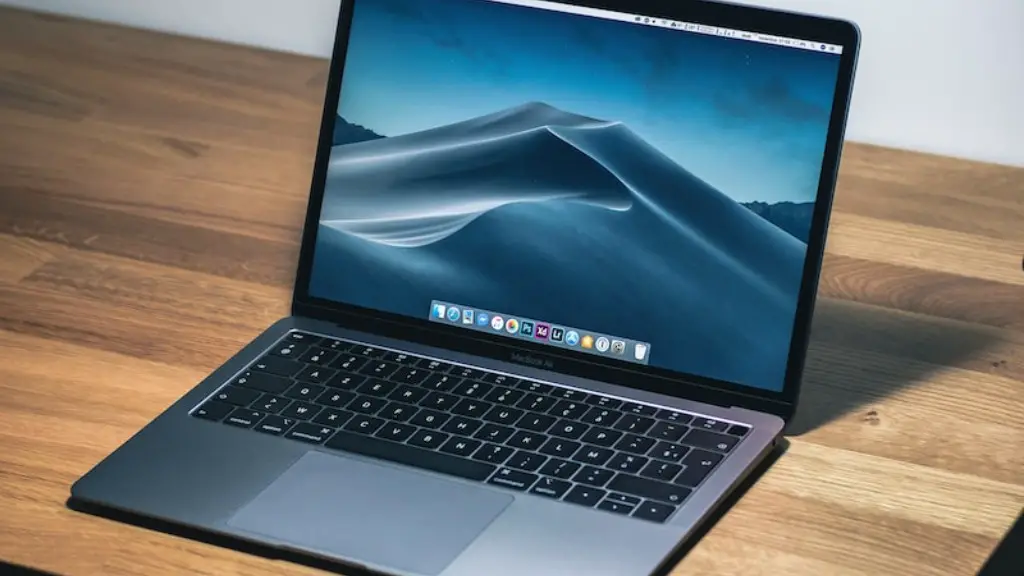
Today’s gaming laptops have come a long way from being bulky and expensive machines. Nowadays, you can get a laptop that offers smooth graphics, booming sound and the ability to play games at high settings for an affordable amount of money. But one question remains: can a gaming laptop run on a different monitor?
The answer is yes. Any gaming laptop can be connected easily to any type of monitor on the market. All you need to do is make sure you have the right cable. The type of cable you need depends on the type of connection that your laptop has. It’s also important to make sure the monitor is compatible with your laptop before you attempt to make the connection.
Most manufacturers provide detailed instructions in the instruction manual that comes with the laptop. If you don’t have access to the instruction manual, you can easily find the type of cable you need online. Once you have the correct cable, you can connect your laptop to the monitor and adjust the settings accordingly.
When connecting your gaming laptop to a monitor, it’s important to consider the resolution capabilities. Generally speaking, the higher the resolution of your monitor, the more detailed and high-definition your gaming experience will be. Most gaming laptops come with a resolution capability of up to 2460×1600. Keep in mind, however, that the resolution of the laptop itself will always be lower than that of the monitor.
Aside from the resolution, you will also want to consider the refresh rate of your gaming laptop. The refresh rate of a laptop is how often the screen displays new images. The higher the refresh rate, the smoother the graphics of your games will be. It’s important to make sure your laptop and monitor are both compatible with the same refresh rate. Otherwise, you may experience stuttering or ghosting in your gaming experience.
Fortunately, it’s easier than ever to connect a gaming laptop to a monitor. All you need is the correct cable and a compatible monitor. Once you have these two elements, you can easily adjust the settings and enjoy a smooth and detailed gaming experience.
Size of Monitor
When looking for the right monitor for your laptop, size is often an important factor. Most gaming laptops are capable of handling up to 27” monitors. However, it’s important to keep in mind that the bigger the monitor, the higher the resolution it will need. For example, a 27” monitor will require a resolution of at least 1920×1080. It’s also important to consider the distance between your laptop and monitor when choosing a larger size.
Depending on the size and shape of the laptop, it may be difficult or impossible to fit a larger monitor. If you’re looking for the best performance, it’s recommended to stay away from screens larger than 24” unless your laptop is designed for it.
When choosing the size of your monitor, you should also consider the ports on your laptop. Generally speaking, gaming laptops come with two different types of ports: HDMI and DisplayPort. Depending on the monitor you choose, you may need to use a converter to switch between the two.
Advantages of a Different Monitor
Aside from the obvious size and resolution benefits of using an external monitor, there are a few other advantages to consider. First, you can enjoy a larger desktop for multitasking. This means you can have multiple windows open at once, allowing you to quickly switch between multiple tasks.
Second, an external monitor will provide you with increased viewing angles. This is great for gaming, as some games require varying viewing angles in order to be successful. Additionally, you can also benefit from an improved colour palette and image quality from a monitor with higher resolution.
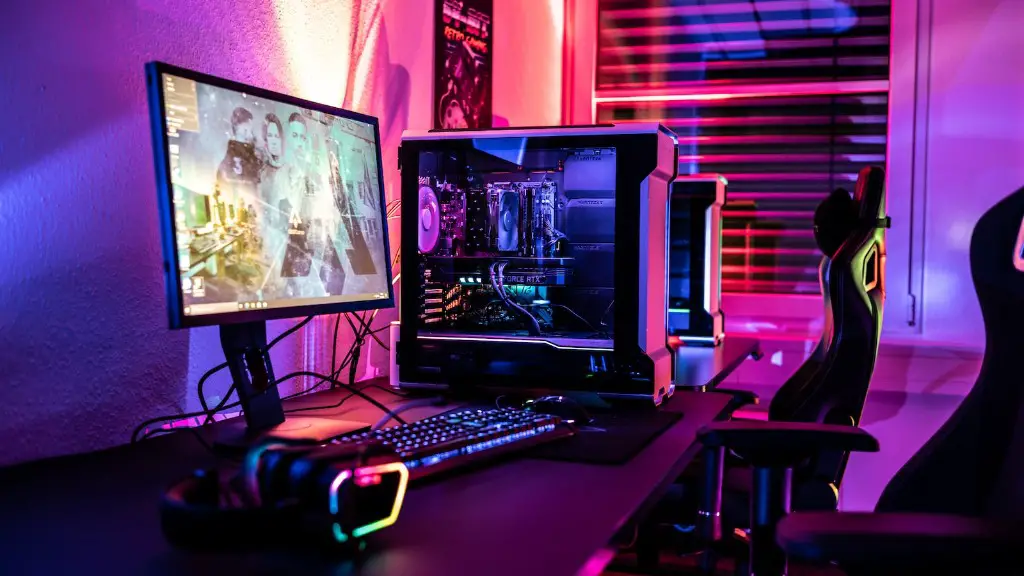
Finally, an external monitor can provide a more immersive and enjoyable gaming experience. This is especially true with virtual reality games, which require a wider field of view and better image quality.
Drawbacks Of A Different Monitor
As with most things in life, there are some drawbacks to using an external monitor with your gaming laptop. The most obvious downside is the cost. Depending on the type of monitor you choose, they can be quite expensive. It’s also worth noting that external monitors tend to be more power-hungry than their laptop counterparts.
Another potential downside is the setup time. It can be rather time consuming to set up an external monitor and it’s not uncommon to run into technical difficulties when attempting to do so. Additionally, you’ll need to make sure you have enough desk space to accommodate the additional monitor.
In some cases, a gaming laptop may not be able to handle the resolution and refresh rate of a higher-end monitor. This means you’ll be limited to only 1080p monitors and possibly lower resolution ones.
Conclusion
In conclusion, a gaming laptop can easily be connected to a different monitor, provided you have the right cable and a compatible monitor. This can provide you with higher resolution and refresh rate capabilities, as well as an improved gaming experience. However, it’s important to keep in mind that there are potential drawbacks to using an external monitor, such as cost and setup time.
