
Every person experiences the cold to a different degree based on their own physical properties. However, some people find it difficult to keep their gaming laptop at an optimal temperature, which can result in lags or less optimal performance. There are many variables that can determine the temperature of a laptop, including the gaming environment and the components inside the laptop.
On the one hand, an external influence such as the climate of the location could be the cause of the laptop getting too cold. For example, in winter months the temperature outside can drastically drop and this could influence the temperature of the laptop, making it colder and more difficult to game on. Another external influence could be the air conditioning inside a room that can have a cooling effect on the laptop.
However, internal components can also play a role in the temperature of the laptop when gaming. Bus speeds, clock speeds, and the amount of RAM can all affect the temperature of the laptop. Furthermore, the fan configuration and the built-in thermal protection of the laptop should also be taken into account.
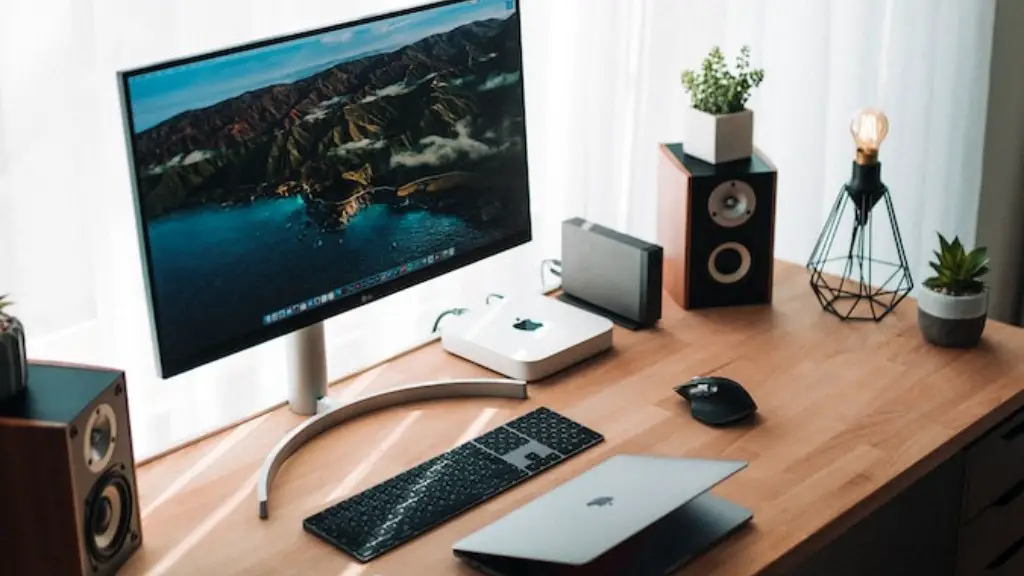
When using a laptop for gaming, it is important to pay attention to the temperature of the laptop and take the necessary steps to avoid it getting too cold. A laptop should be cool, not cold, and maintaining the optimal temperature could prevent any issues while gaming.
When a laptop is too cold or running too hot, the internal components start to wear down and the laptop starts to experience lags or even completely shut down. Severely cold laptops may even cause permanent damage to internal components. In addition, laptops too cold may not register button inputs and thus limit the gaming experience.
Combatting cold laptops is possible by obtaining a laptop cooler or cooling pad, especially built for gaming laptops, to help maintain a healthy temperature during gaming. A laptop cooler typically comes with its own fans and cooler design to support the laptop. They often connect to the laptop’s USB port, allowing for better air circulation, helping keep the laptop from getting too cold.
In conclusion, gaming laptops tend to get too cold for a multitude of reasons, including environment and the components inside. With the right tools and care, it is possible to keep a laptop cool and not let it get too cold.
Insulating a laptop
In order to keep a laptop cool, insulation is key. There are a few ways to properly insulate a gaming laptop. One way is to use a laptop sleeve or bag that is specifically designed to keep laptops cool – the sleeves are usually made of breathable materials and help to reduce the risk of a laptop getting too cold.
Furthermore, some laptop manufacturers design cooling technologies, such as hybrid cooling systems and flexible fan speeds, to help keep a laptop cool while gaming. It is essential that a laptop has these features so as to protect the laptop and maximize gaming performance.
Finally, gamers may also choose to manually adjust their laptop settings to ensure optimal performance. For instance, lowering the brightness level of the screen can make a huge difference when it comes to keeping a laptop cool. In addition, gamers can choose to redistribute their laptop’s weight composition by including padding or other material in the laptop’s case to reduce cold air from entering.
External Temperature
Although keeping a laptop insulated is key, gamers must also pay attention to external temperatures. It is important to game in a cooler space where the temperature of the room is lower than that of the laptop. Ultimately, keeping the laptop in an environment that is as cool as possible will help with the laptop’s temperature management.
Moreover, gamers should ensure their laptop is placed in an open, breathable space. This can make a huge difference in the temperature of the laptop. By utilizing this method, the laptop will not be subject to artificial or natural “heat traps,” meaning that it will remain cool while gaming.
In addition, changing settings and rebooting the laptop before gaming can also help to cool the laptop. Doing this will give the laptop’s cooling system a chance to catch up with the operating temperature and keep it cool while gaming.
Safety Features
Almost all laptops come equipped with safety features to manage the laptop’s temperature and protect it from getting too cold. These features usually take the form of the laptop’s power settings.
For example, by manually adjusting the laptop’s power settings, gamers can limit the wattage of the laptop in order to reduce the temperature and prevent any potential damage. Ultimately, the goal here is to increase the airflow into the laptop and keep it running at a cooler temperature without sacrificing performance.
In addition, one of the most common safety features of gaming laptops are Turbo Boosts. These boosts allow the laptop’s processor to operate at a faster rate, although it can cause the laptop to become hotter. As such, it is important to ensure the Turbo Boost is only used when necessary and that the laptop is kept cool and at an optimal temperature when gaming.
Cleaning a laptop
Finally, gamers should regularly clean their laptop and check for any dust or debris in the laptop’s vents and fans. This will help keep the laptop running at an optimal temperature, thus allowing for a better gaming experience.
Moreover, by routinely monitoring a laptop’s temperature, gamers can identify any potential problems with the laptop’s internal components or external influences and make necessary adjustments. This can help prevent any damage to the laptop and keep it running cooler for a longer period of time.
In the end, taking the proper steps and utilizing the right tools can help keep a gaming laptop safe and at an optimal temperature while gaming. By following the tips above, gamers can ensure their laptop is cool and not too cold, thus optimizing performance and game time.
