Seasoned gamers certainly can tell the difference between gaming on a regular monitor vs a gaming monitor. The primary difference is the response time. A gaming monitor has a much faster response time than a regular monitor, offering up to 5 milliseconds vs up to 12 milliseconds. This results in smoother and faster gameplay.
Still, it’s not just about response time. A serious gamer is playing in a highly competitive environment and needs all the advantages they can get. That makes the features of a gaming monitor quite attractive. Unlike regular monitors, they often come with specialized features like 144 Hz refresh rate, low input lag, motion blur reduction, an ergonomic design, and low blue light. All of these features help better the gaming experience overall, giving gamers an edge.
It should be noted that having a gaming monitor does not guarantee improved gaming skills. Just because you have the best monitor, doesn’t mean your gaming skills will instantly increase. It may just mean more smooth graphics and more comfortable eye movement. Skill level still requires lots of practice and dedication, but the equipment certainly helps.
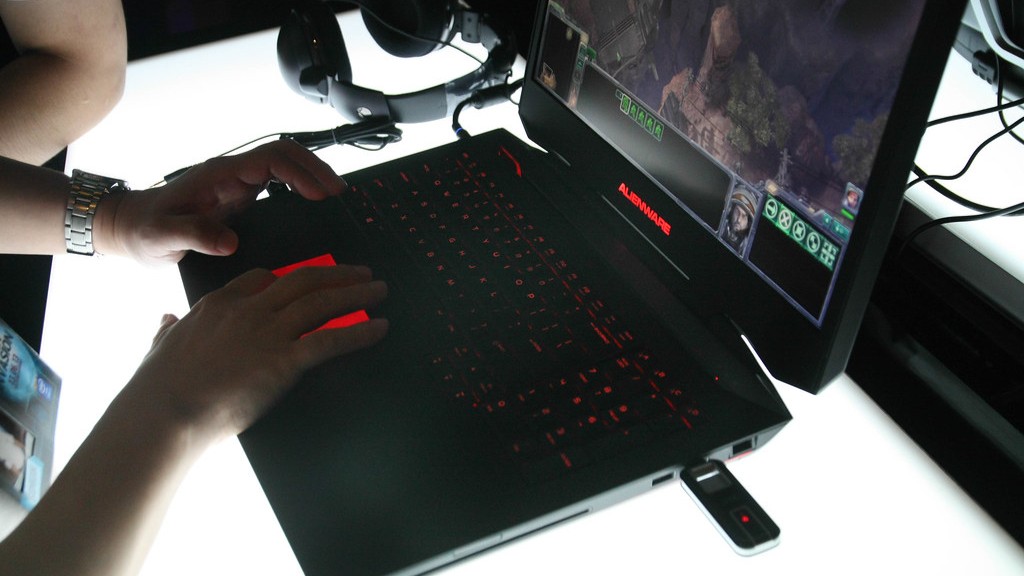
What about 4K monitors for gaming? As technology has progressed, many gamers assume that getting a 4K monitor is the holy grail of gaming. While 4K monitors certainly do provide crisper images, they actually come with some disadvantages too. For starters, they tend to lower gaming frame rate, even if you are playing on a console. Additionally, they can be pricey and many don’t come with features that specialty gaming monitors do.
In the end, if you are a serious gamer, investing in a gaming monitor could be something to consider. It could take your gaming skills to the next level, even if it just means more comfortable eye movement. So if you haven’t explored gaming monitors, now may be the time to.
What Are the Key Benefits of a Gaming Monitor?
Having a gaming monitor definitely has its advantages. When compared to a regular monitor, gaming monitors have several critical differences that can really benefit gamers. One of these advantages is a better response time. Response time is what determines how quickly the screen changes information – the lower the time, the better. Gaming monitors have a quicker time, which is typically between 1 and 5 milliseconds. This ensures that the frames displayed on the monitor can be refreshed quickly while playing, making games smoother overall.
Another benefit is having specialized features tailored towards gaming. Standard computer monitors are just used for basic computer operations, such as browsing and typing. While they can be used to play video games, they typically don’t come with features such as a 144 Hz refresh rate, low input lag, motion blur reduction, an ergonomic design, or low blue light.
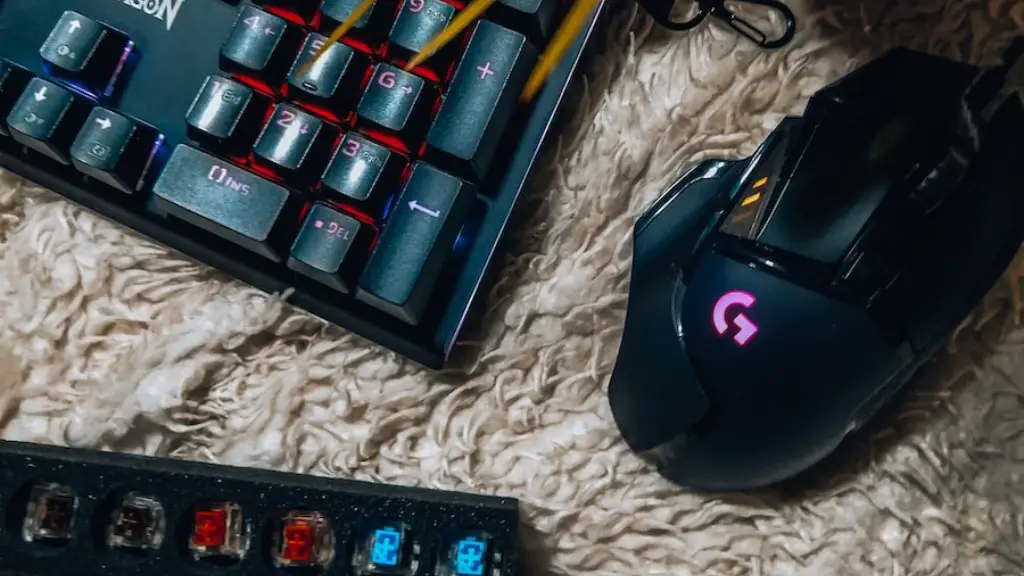
In the end, gaming monitors are specifically designed with the purpose of gaming in mind. They are built to provide a better gaming experience overall, giving gamers the edge they need to win. In fact, some gaming monitors may have image technologies that provide a more immersive and enjoyable playing experience.
How Important Is a Gaming Monitor for Playing Video Games?
In the gaming world, a gaming monitor is often seen as an important piece of equipment for playing video games. While it’s common knowledge that a gaming monitor has a better response time than a regular monitor, they also provide some other useful features too. These features can be helpful when it comes to playing competitive video games, as they provide gamers with an edge to give them that extra boost when playing in a highly competitive environment.
At the same time, though, it should be noted that having a gaming monitor does not guarantee improved gaming skills. Just because you have the best monitor doesn’t mean your gaming skills will immediately become better. Yes, having the monitor does mean more smooth graphics and more comfortable eye movements, but skill level requires lots of practice and dedication. Therefore, it’s important to remember that buying a gaming monitor is just one part of a bigger picture.
Do 4K Monitors Work Well For Gaming?
It’s natural to assume that a 4K monitor would be the best option when it comes to gaming. After all, 4K monitors provide sharper images and crystal clear details. The downside, however, is that they can actually lower gaming frame rate, especially if you’re playing on a console. In addition, they tend to be pricey and don’t always come with features found on specialty gaming monitors.
For these reasons, it’s important to do some research before deciding on a 4K monitor. You may find that it won’t really be worth the extra cost, depending on the type of gaming you are doing. On the other hand, if your budget allows for it and you can find one with some of the features found on gaming monitors, then it could be a good option to go with.
Do Gaming Monitors Offer More Affordable Options?
One of the common misconceptions about gaming monitors is that they all cost an arm and a leg. This isn’t actually true, though. While gaming monitors can be a bit pricey, there are also more affordable options out there too. The trick is to do some research and compare prices before making a purchase. You may find that you can get a decent gaming monitor within your budget.
One tip when shopping for gaming monitors is to keep an eye out for sales and specials. Many retailers offer deals, such as discounts or free shipping, which can save you some money. Additionally, certain brands such as ASUS, Dell, and LG offer “gaming ready” monitors that are optimized for gaming, but cost less than more expensive gaming monitors.
Are Bigger Gaming Monitors Better Options?
When it comes to gaming monitors, the size does matter. Generally, bigger monitors are better for gaming, since they provide a larger, more immersive viewing experience. Another advantage of a larger monitor is that you have more room to see your opponent’s movements and reaction speeds, giving you more time to react quickly. Some gamers even opt to get two monitors and connect them together, providing more room for gaming.
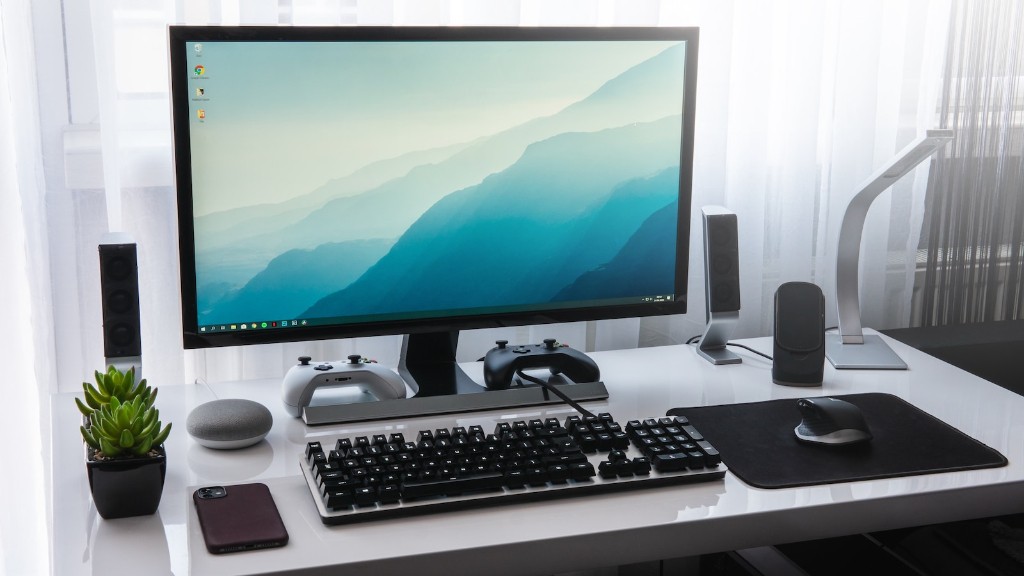
However, it’s important to keep in mind that bigger isn’t always necessarily better. If you plan on playing in a tournament or competition, you’ll want to make sure you don’t get too overpowered. Otherwise, you may find that your opponents can spot your movements and predictions more easily, putting you at a disadvantage. Therefore, it’s best to think carefully before investing in a larger gaming monitor.