Using a gaming monitor is essential for gamers, as it provides better picture quality and fast response times. This can make all the difference between losing or winning in a game. Here are the steps to use a gaming monitor correctly.
The first step is to ensure that your gaming monitor is compatible with your PC or console. You can do this by checking the manual or going to the manufacturer’s website. Once you are sure that the monitor is compatible, it’s time to connect it. If you don’t know how to do this, consult the manual or check on Google.
The second step is to make sure the gaming monitor is adjusted correctly. This can be done by placing the monitor at eye level and adjusting the brightness. You should also adjust the contrast and sharpness if necessary.
The third and most important step is to optimize your gaming monitor for the best performance. This will involve changing the settings of the monitor to suit the game you are playing. This can include setting the refresh rate, resolution, and other settings.
The fourth step is to adjust the in-game settings if necessary. This will involve setting the frame rate, motion blur, anti-aliasing, and other settings. It is important to note that these adjustments can vary from game to game and must be tailored to the game you are playing.
The fifth step is to check the status of the monitor. This can be done by running tests such as checking in the panel settings or testing the color accuracy. It is important to note that these tests can take some time, but they are important if you want to ensure the best performance.
In conclusion, using a gaming monitor correctly can make a huge difference to your gaming experience. It is important to ensure you follow the steps outlined above to get the best performance out of your gaming monitor.
How to Optimize a Gaming Monitor
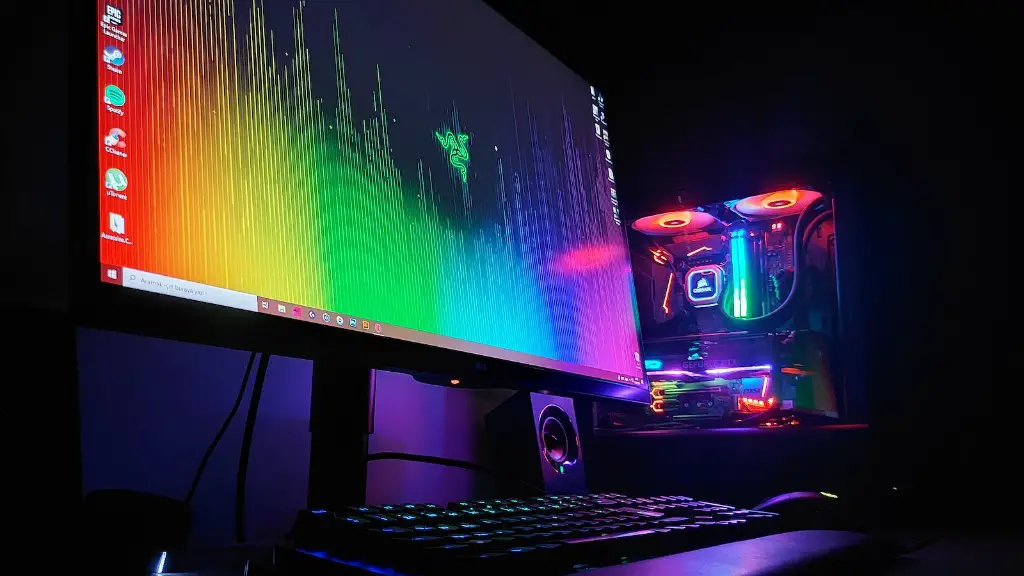
When using a gaming monitor, it is important to optimize it for the best possible performance. This includes setting the refresh rate, resolution, and other settings. In order to optimize your gaming monitor, you should first check the panel settings and make sure that the monitor is optimally set up. This includes adjusting the brightness, contrast and sharpness as well as making sure that the monitor is at the correct height for eye-level viewing.
It is also important to adjust the in-game settings for the best possible performance. This includes setting the frame rate, motion blur, anti-aliasing, and other settings. Each game has different settings, so it is important to tailor the settings to the game you are playing.
In addition, you should regularly check the status of your gaming monitor. This can be done by running tests, such as checking in the panel settings or testing the color accuracy. These tests can take some time, but they are important if you want to maintain the best performance.
Finally, it is important to make sure that your gaming monitor is correctly connected. This includes ensuring that it is compatible with your PC or console. You can do this by checking the manual or going to the manufacturer’s website.
How to Choose a Gaming Monitor
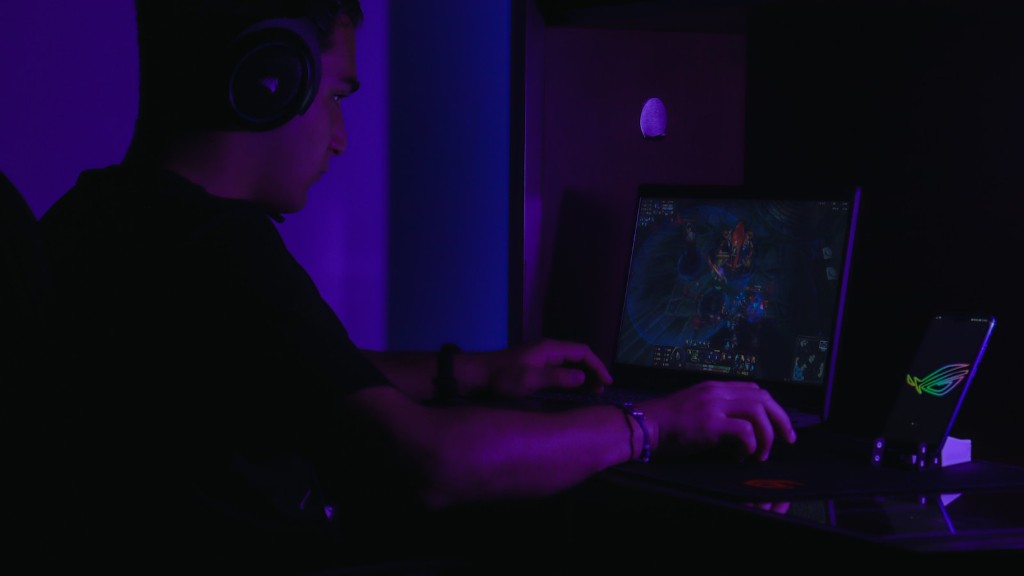
Choosing the right gaming monitor can have a huge impact on your gaming experience. When selecting a gaming monitor, you should consider the size of the monitor, refresh rate, and resolution, as well as other features such as G-Sync or FreeSync support.
The size of the monitor is important, as larger sizes provide a more immersive gaming experience. However, keep in mind that larger monitors can be more expensive. Additionally, a larger monitor may require a beefier gaming PC or higher console to run games at maximum settings.
The refresh rate is also vitally important, as higher refresh rates can provide smoother gameplay. Generally, it is recommended to get a gaming monitor with a refresh rate of at least 144 Hz or higher.
The resolution of the monitor is also an important factor. Higher-resolution monitors provide sharper visuals, but they may require more powerful hardware to run games at higher settings. Therefore, if you have a more basic system, it may be best to get a monitor with a lower resolution.
Finally, it is important to consider any special features your gaming monitor may have. This includes support for technologies such as G-Sync or FreeSync, which can reduce screen tearing and improve performance.
How to Set Up a Gaming Monitor
Setting up a gaming monitor correctly is essential to getting the best performance out of it. This includes connecting the monitor to your PC or console, adjusting the settings to fit the game you are playing, and ensuring the monitor is at the correct height for eye-level viewing.
The first step is to connect the gaming monitor to your PC or console. This can be done using either an HDMI or DisplayPort cable, depending on the type of connection your monitor and PC use. Once the monitor is connected, you should go into the display settings and make sure it is using the correct resolution and refresh rate for the game you are playing.
The second step is to make sure the gaming monitor is adjusted correctly. This includes both physical adjustments, such as placing the monitor at eye level, and settings adjustments, such as brightness and contrast. Additionally, it is important to set the in-game settings, such as frame rate and motion blur, to fit the game you are playing.
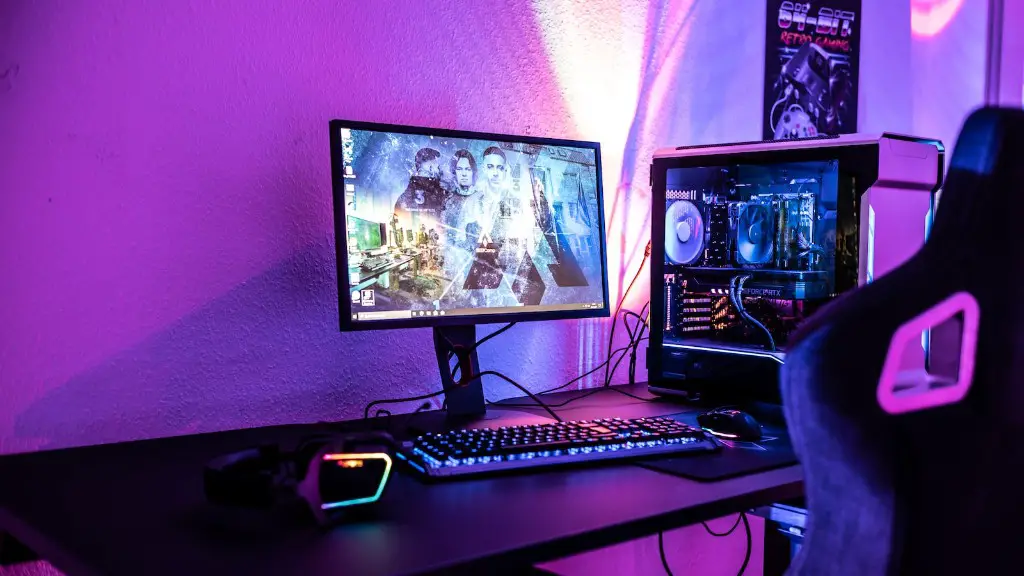
The third step is to test the gaming monitor. This can be done by running some tests, such as checking in the panel settings or testing the color accuracy. This will ensure the monitor is functioning correctly and is providing the best performance possible.
In conclusion, setting up a gaming monitor correctly can make a huge difference to your gaming experience. It is important to follow the steps outlined above to get the most out of your gaming monitor.
How to Troubleshoot a Gaming Monitor
If you are having trouble with your gaming monitor, there are some steps you can take to try and rectify the problem. Firstly, you should check the connections to make sure the monitor is connected correctly. If these are all in order, then you should proceed to the panel settings and check if there are any issues with the monitor. If there are any settings that need adjusting, you should do so accordingly.
If the monitor is still not working properly, it may be worth checking the status of the monitor. This can be done by running tests such as checking in the panel settings or testing the color accuracy. If the monitor is not operating as expected, it may be worth checking the manual or consulting a professional.
Finally, if you are still having trouble with your gaming monitor, it may be necessary to reset the monitor. This can usually be done by pressing the reset button located on the back of the monitor. This will reset the monitor to its factory settings, allowing you to try and adjust the settings again from scratch.
In conclusion, troubleshooting a gaming monitor can be tricky, but it is not impossible. It is important to follow the steps outlined above to try and rectify any issues you may be experiencing. If all else fails, it may be worth consulting a professional for more advanced troubleshooting.
