When looking for a new gaming monitor, there are a few key features to consider. Size, refresh rate, response time, resolution, and price are the main aspects to consider when purchasing a monitor for gaming. Here, we will go through each feature in detail to help you decide what gaming monitor is best for you.
Size is first and foremost and is an important factor in choosing the right gaming monitor. Depending on your budget, and the space you have available on your desk or in your home, you can choose between a more traditional-style ult-wide and a flat panel monitor. The bigger the monitor, the more immersive your gaming experience will be. Plus, if you opt for a bigger size, you can take advantage of additional digital inputs on the monitor.
Refresh rate is another key consideration when selecting the right gaming monitor. Most monitors will come with a refresh rate of 60Hz, this means that the monitor will update the images being displayed on the screen every 60 seconds. Higher end monitors can offer a refresh rate of up to 144Hz, which will provide you with a much smoother experience when gaming. This can be especially beneficial in first-person shooters or competitive games.
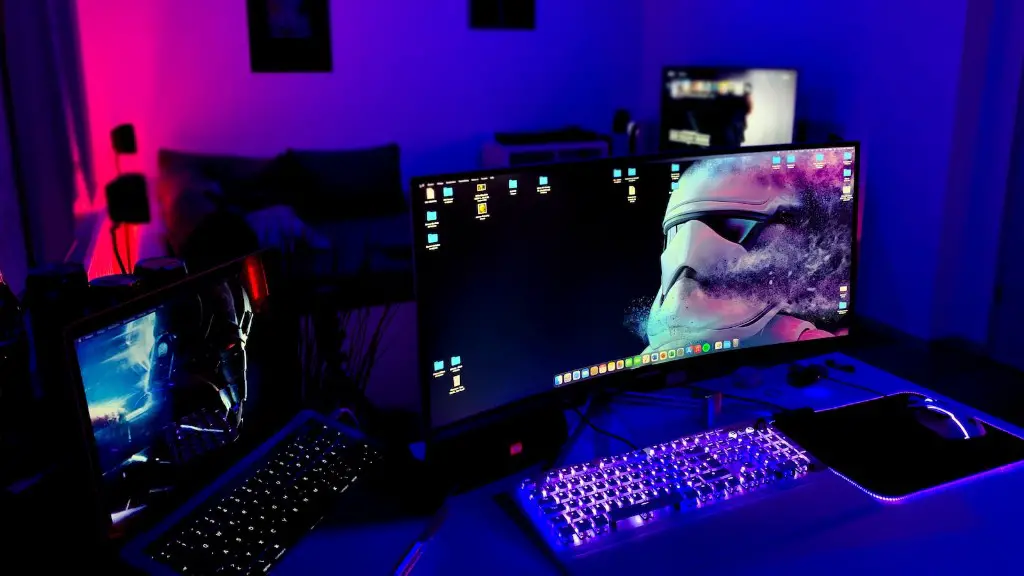
The response time of a gaming monitor is also important to consider. This is the time it takes for pixels to switch from one colour to another and it is measured in milliseconds (ms). The lower the response time, the less the motion blur and ghosting that is created with the image on the screen. To get the most out of your gaming experience, you should look for a monitor with a response time of 4ms or less.
The resolution of the monitor is also worth considering when selecting a gaming monitor. The higher the resolution, the better quality images you will have on the screen. Most gaming monitors have a resolution of 1080p, but higher-end monitors may offer a resolution of 1440p or even 4K. Keep in mind, the higher the resolution, the more demanding it can be on your hardware.
The last key factor to consider when selecting a gaming monitor is the price. Monitors can range in price from a few hundred dollars up to several thousands. The higher-end monitors will offer more features such as height adjustments, tilt capabilities, etc. so make sure to consider what features are important when choosing your monitor.
Screen Quality
When looking for the best gaming monitor, another factor to consider is the screen quality. This includes aspect ratio, viewing angles, brightness, contrast ratio, and color accuracy. Some of these elements will affect your experience more than others, so it’s important to consider which ones are important to you. Aspect ratio can determine how much of the screen you can see, while viewing angles are vital in ensuring you get a clear picture from any angle. Brightness, contrast ratio, and color accuracy will all impact the vibrancy and clarity of your gaming experience.
It is important to consider how you will use the monitor as different gaming setups require different features from the monitor. For instance, if your gaming setup requires a monitor to display several windows at once, you will want to opt for a monitor with larger screen size and multiple inputs. Alternatively, if you are mostly playing one game at a time, a smaller monitor with multiple inputs won’t be necessary.
Something else worth considering when it comes to the screen quality of a gaming monitor is the frame rate. This is the number of frames per second (fps) your monitor. Higher frame rates will give you a smoother gaming experience, while lower frame rates can cause your gaming experience to feel choppy or laggy. If you are planning on playing graphically-intensive games, you should opt for a monitor with a higher frame rate.
Lastly, the type of display technology you choose can also have an impact on your gaming experience. The most common types of display technologies used for gaming monitors are LED, LCD, and OLED. LED is the most common and provides good picture quality and brightness, while LCD and OLED offers higher picture quality. It is up to you to decide which technology is best for your needs and budget.
Connectivity
When selecting a monitor for gaming, you also want to make sure you consider the connectivity and ports that are available. This can include HDMI, DisplayPort, USB, or DVI. HDMI is the most common and widely used, as it can be used to connect to many types of displays. DisplayPort is becoming increasingly popular and is a good option for gamers who need to connect multiple monitors at once. USB is more limited but can be used to connect peripherals such as gaming controllers or headsets.
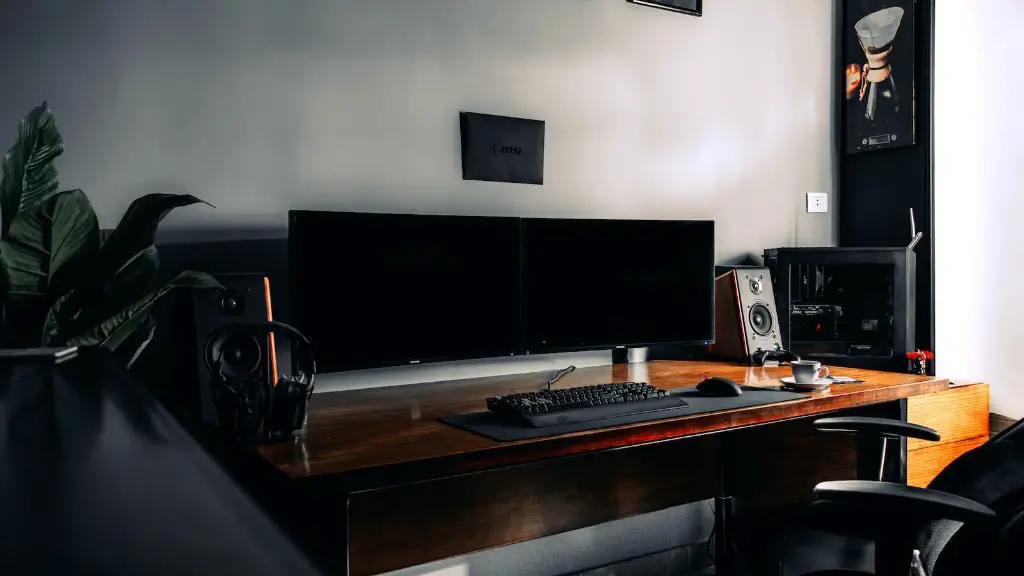
Connectivity is also important when it comes to ease of use. If your monitor offers multiple ports, it is much easier to connect all your gaming accessories at once. This can also help reduce cable clutter and make it easier to move your gaming setup. Additionally, some monitors may come with built-in speakers or Wi-Fi connectivity.
Something else to consider when it comes to connectivity is the type of interface you will be using. This could be an HDMI, DVI or even a DisplayPort. There are advantages and disadvantages to all of them and what you choose will depend on the type of gaming you plan on doing. For instance, if you are playing a fast-paced game, you may want to use a DisplayPort for better performance.
When it comes to connectivity, it is also important to think about how much bandwidth you will need. This is especially true for gamers who want to make the most out of their gaming experience by streaming or recording their gaming sessions. This may require you to opt for a monitor that supports high speed connections such as HDMI 2.1 or Thunderbolt.
Lastly, if you plan on using your gaming monitor for more than just gaming, make sure it is compatible with additional peripherals such as sound systems or microphone inputs. While some monitors may come with built-in speakers, it is always a good idea to double check the compatibility of your peripherals before making your purchase.
Software Features
In addition to the hardware features of a gaming monitor, there are also software features to consider. This includes features such as Game Mode, SPLENDID, Shadow Control, and DisplayHDR. Each manufacturer has their own software features, so it is important to familiarize yourself with how each of them works.
Game Mode is a feature found on many gaming-oriented monitors. This feature can optimize the image output for gaming, making it easier to see details in dark areas and improving the overall performance. It can also reduce input lag, so if you are playing fast-paced games, this feature is worth considering.
SPLENDID is another software features found on many gaming monitors. This feature optimizes the color output on your monitor to ensure that you get accurate and vibrant colors when gaming. Many monitors also offer color profiles for different types of games, such as first-person shooters, racing games, and sports.
Shadow Control is a feature found on some gaming monitors, and it is designed to make it easier to see details in dark areas. This feature can be adjusted to get the best results for your type of game and can be used to reduce motion blur and ghosting.
Finally, DisplayHDR is a feature that can improve the overall picture quality of your gaming monitor. This feature utilizes High Dynamic Range (HDR) technology to increase the range of colors that can be displayed on the screen. This can help provide a more realistic image and a more immersive experience.
Ergonomics
When selecting a gaming monitor, ergonomics should also be taken into consideration. This includes things such as the stand, tilt adjustability, swivel, and height adjustments. All of these will affect your comfort and how easily it is to use the monitor for long periods of time.
The stand, for example, should provide a stable base for your monitor and should also allow for stability when making adjustments. Some monitors may also come with a VESA mount, which can be used to mount the monitor on a wall or to a desk mount.
Tilt adjustability is important in order to get the best viewing angle for the monitor. You should be able to tilt the monitor for optimal comfort when gaming or studying. Some monitors also offer swivel and height adjustments, which can be beneficial for people who prefer to game or work in a standing position.
The last ergonomic consideration is eye comfort. This includes features such as blue light filters, flicker-free technology, and anti-glare screens. These technologies are designed to reduce eye strain over long gaming sessions and can help improve your overall comfort when using the monitor.
As you can see, there are many features to consider when selecting the right gaming monitor. Doing your research to understand the available features, such as size, refresh rate, response time, resolution, and more, will help you select the monitor that is best for your needs. Additionally, considering the screen quality, connectivity, software features, and ergonomics are all important factors that should be taken into account when selecting your gaming monitor.