A gaming monitor is a type of computer display that is designed to meet the demands of contemporary gaming. But can a gaming monitor also be a regular monitor? This article will explore the answer to this question.
First, it’s important to understand what makes a gaming monitor different from a regular computer monitor. It is typically higher in resolution and refresh rate than its regular counterparts. The refresh rate of a gaming monitor is measured in Hertz (Hz) and is how many times per second the monitor redraws its image while its resolution is how many pixels make up the image. Greater resolution and a higher refresh rate provide higher image sharpness and the appearance of motion in games.
Second, there are a few key features on gaming monitors that make them ideal for gaming but not great for everyday use. For example, their response time might not be fast enough for professional applications but can be perfect for gaming. Furthermore, many gaming monitors utilize a curved design that can be detrimental to scrolling through text-heavy websites or productivity apps.
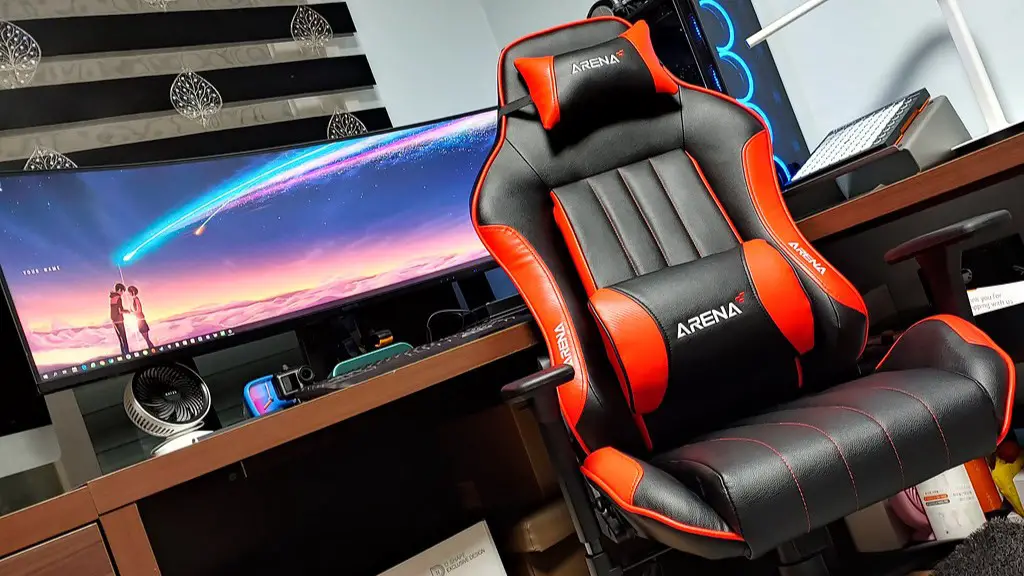
Third, gaming monitors tend to offer a wide range of connectivity options. They commonly feature more than one type of port for connecting a range of peripherals. In addition, many gaming monitors come with multiple inbuilt speakers for enhanced sound production.
Fourth, gaming monitors tend to offer more visual customization options than regular monitors. For example, gaming monitors usually have a more adjustable stand to allow for the perfect viewing angle. They may also offer features like adjustable brightness and contrast and user-defined colour calibration making them more suitable for gaming.
Finally, gaming monitors can be used as regular monitors. However, it is necessary to consider their features and how these might affect everyday use. For example, gamers may appreciate the lack of input lag found on some gaming monitors but this could be an issue when typing or working on documents.
Applications
Applications such as gaming and web-browsing are well suited to gaming monitors, as they are designed to offer the best performance for these activities.

Most gaming monitors offer refresh rates more than twice as fast as regular monitors, making them perfect for gaming as the faster refresh rate means faster response times. This also translates well to internet usage, where a faster refresh rate means smoother browsing.
In addition, many gaming monitors offer advanced colour control settings, perfect for intense gaming or watching multimedia. These settings are designed to help gamers visualize their broadcasts more accurately.
In terms of colour accuracy, dedicated gaming monitors are designed for increased vibrancy, making them perfect for recreating real world settings with as much accuracy as possible.
Finally, in terms of design and ergonomics, gaming monitors often come with adjustable stands, making them easy to manoeuvre and adjust to a user’s needs.
Productivity

Gaming monitors can also be used for productivity activities such as web browsing, office work and design.
Gamers will appreciate the ability to adjust the settings to get the most accurate visuals and to see small details in their work. The higher refresh rates also make for smoother scrolling, ensuring that websites and documents render as quickly as possible.
Adjustable stands and image calibration tools provide a good base for productivity. The latter can be used to help customize the settings to better suit individual tasks.
The wide variety of ports available on gaming monitors also make for easier connections with a range of peripherals. Plus, the multiple built-in speakers will provide a more immersive experience for movies, music and more.
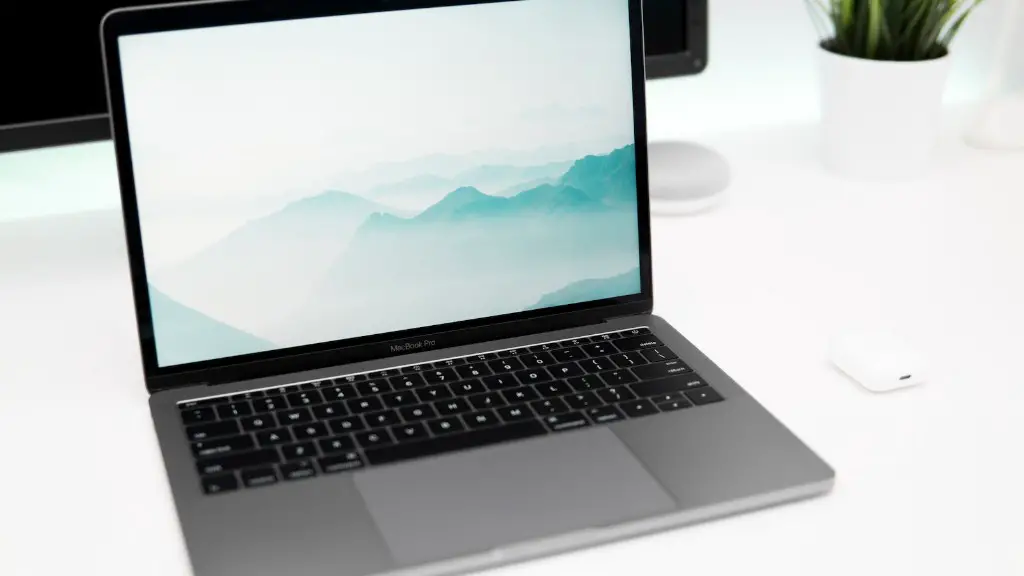
Finally, the improved resolution of gaming monitors compared to regular computer monitors means a clearer image and more options when it comes to scaling fonts, optimizing workspace and more.
Limitations
Although gaming monitors come with a range of features perfectly suited to gaming or other activities, there are a few limitations that could be an issue.
The most notable limitation is the relatively slow response times of some gaming monitors compared to regular monitors. Typing or working with documents could be a challenge as they might not be able to keep up.
The design of gaming monitor displays also differs from that of regular computer monitors. Their curved design isn’t ideal for scrolling through documents or websites and can be a hindrance for precision tasks such as design.

Although almost all gaming monitors offer a wider range of connectivity options, some of the ports may be duplicates or not be compatible with regular peripherals.
Finally, gaming monitors are optimized for gaming and may come with features such as motion smoothing which could be bothersome while doing other activities.
Conclusion
In conclusion, gaming monitors can be used as regular computer monitors. However, it is important to consider the features offered by gaming monitors, as these can be useful for gaming but detrimental for other activities. Knowing the pros and cons of a gaming monitor can help make an informed decision about the type needed.
