The Sony PlayStation 5 (PS5) is quickly becoming the must-have gaming system. It offers revolutionary power, speed and high definition graphics. To truly get the most out of the PS5, it’s important to pick the right gaming monitor. Fortunately, there are lots of options on the market today, so finding the best gaming monitor for your PS5 should be straightforward.
For starters, you should determine the size and remain of your monitor. A widescreen monitor is usually the best option, as it offers a greater field of view and better ergonomics. A 27-inch monitor should be large enough for most gamers, although larger sizes are available for those who need more screen space. In terms of resolution, always aim for a 4K monitor – the extra resolution will be appreciated, especially on a larger monitor.
The refresh rate is another important consideration. Aim for at least 120Hz or higher, if possible. This will make games appear smoother, and eliminate motion blur and tearing. Response times are important too, and you should look for a monitor with a response time of around 5ms for the best performance.
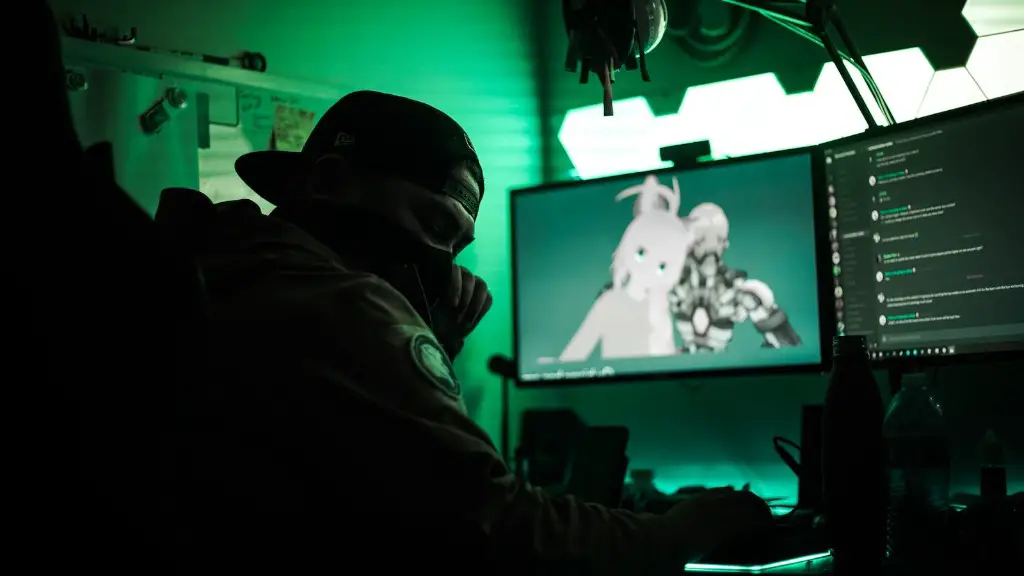
In terms of extra features, make sure your monitor has an adjustable stand and adjustable display settings, such as contrast and color. HDR support is also a bonus, as this will make your games look better and more immersive. Fortunately, many monitors on the market today come with HDR support, so finding one shouldn’t be too difficult.
Given the sheer variety of options on offer, finding the best gaming monitor for PS5 is far from easy. Before you buy, make sure you double-check the specs and consult tech reviews to make sure you’re getting a good deal. Spend a bit of extra cash on a high-quality monitor and you’ll be better off in the long run.
HDMI, Display Port, and USB
High-definition multimedia interface (HDMI) is a versatile connection for devices such as digital audio/visual devices and gaming consoles. For those who want to experience the most out of their gaming, an HDMI-compatible monitor is ideal for the best picture quality. A display port offers a higher bandwidth, which is great for gamers who want the best performance from their monitor. USB connections are also an option, and many monitors come with multiple USB ports for extra convenience.
Adaptive Sync and FreeSync
Most gaming monitors now come with adaptive sync technology, which reduces screen tearing and minimizes input lag. FreeSync is Nvidia’s patented technology, which allows gamers to benefit from sync between the monitor and their graphics card, resulting in smoother gameplay. Note that adaptive sync and FreeSync require a compatible graphics card, so be sure to double-check this before making a purchase.
Brightness and Contrast
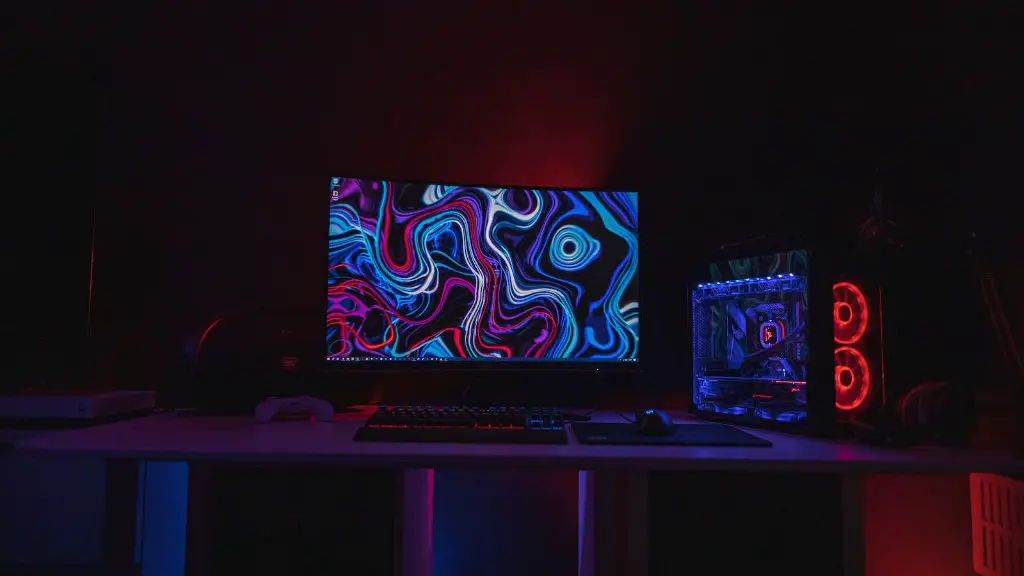
Brightness and contrast are the two key elements when it comes to viewing clarity and color accuracy. A monitor should be bright enough so you can comfortably play in dark environments, while still offering good contrast levels. Good contrast makes it easier to spot game elements in dark areas. As brighter screens tend to be more expensive, it’s best to find the right balance between brightness and contrast that works for you.
G-Sync
G-Sync is a proprietary technology developed by Nvidia to reduce screen tearing and stuttering. It works by synchronizing the monitor refresh rate with the GPU’s frames-per-second output. This results in smooth gameplay, without sacrificing any graphical fidelity. G-Sync requires a compatible monitor and graphics card, so check compatibility before you buy.
Warranty and Support
Finally, make sure to check the warranty and support offered by the manufacturer. To keep your monitor in perfect condition, make sure it’s covered by a good warranty plan. Most monitors offer a one- or two-year warranty, so pick one that suits your needs and budget. Many monitor manufacturers also offer online support, in case you have any questions or issues with the device.
