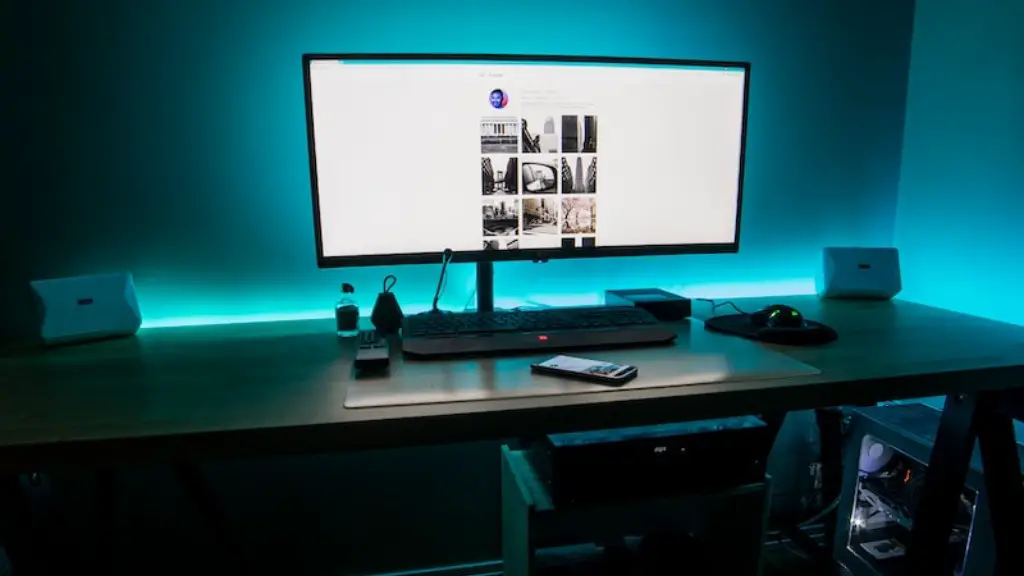
The choice of operating system for gaming PCs is an age-old conundrum for many gamers around the world. Experience has long dictated that gaming in Windows is handled with greater ease than any other OS and, with such new technologies sparking more improvements, gamers are ever-increasingly bound and expected to choose Windows for their gaming PCs. But what type of Windows should they choose? This article seeks to explore the two major contenders in the field, Windows 10 and Windows 8, providing insight into their pros and cons, as well as suggesting which Windows best suits the needs of different types of gamers.
Windows 10
Windows 10, created and distributed by Microsoft, is the newest and most user-friendly of the two choices, having been released in late July of 2015. A product of Microsoft’s focus on more user-centric OS design, Windows 10 successfully bridges the divide between PCs and unified platforms, providing a gaming experience which is both fluid and reliable. Thanks to Microsoft’s collaboration with a range of game developers, Windows 10 offers a variety of sophisticated in-game mechanics, as well as allowing gamers to tailor and personalize their gaming experience.
One of the biggest advantages of Windows 10 is its speed. Using the 64-bit version of the OS, loadouts and gaming sessions are handled rapidly and without lag, allowing gamers to spend more valuable time playing than waiting around for their system to catch up. Gamers additionally benefit from the suite of integrated applications, which seamlessly work together, in addition to Windows’ SkyDrive cloud platform. This ensures that users can easily shift and store their gaming data, in addition to relishing the convenience of their gaming library being constantly updated and technologically up to date.
The most prominent drawback to Windows 10 when it comes to gaming is its compatibility. It runs only on the latest generation of PC hardware and can yet struggle to find compatibility with some older games. This can prove burdensome for gamers who still have a sizeable library of legacy titles. Gamers using older hardware will also suffer from decreased performance, even if they do manage to make Windows 10 work on their device.
Windows 8
Windows 8 is the second choice for gamers looking for the best OS for their gaming PCs. Released in October of 2012, it is the predecessor to Windows 10, designed considering more graphically-cultural and style-driven design principles. As a result, it provides many of the visual implementations users of Windows 10 have access to, while still having a vastly-different user interface.
The greatest advantage Windows 8 has over Windows 10 is its compatibility with older hardware and games. It is much more likely than its successor to run seamlessly on out-dated and aging hardware, and combined with its compatibility with the majority of modern games, it provides an unprecedented competitive gaming advantage for gamers with older PCs. Additionally, Windows 8 features improved performance over Windows 10 across a variety of hardware generations, meaning even gamers with newer hardware benefit from increased speeds when playing demanding titles.
The biggest downside for Windows 8 is its lack of newer features and visual appeal. While it does provide a large chunk of the features provided by Windows 10, its system is largely composed of legacy tools and user interface choices, meaning gamers without access to Windows 10 miss out on new-age elements which greatly enhance the gaming experience. Moreover, this lack of integration with newer applications and software makes gamers using Windows 8 more prone to game and system crashes.
Which Windows is best for gaming PCs?
The decision ultimately lies in the hands of the gamer and their preference of system performance versus compatibility with newer tools. Those looking for a visually-attractive OS, faster loadouts and access to new-age applications might opt for Windows 10, whereas gamers with a large library of legacy titles, or those requiring greater compatibility with older hardware, should choose Windows 8.
Windows 10 For Competitive eSports Gamers
Competitive gamers can benefit from Windows 10’s wide range of features when playing games such as League of Legends, Counter-Strike and Dota 2. Its various performance upgrades, including faster loadouts and integrated applications, can help gamers outsmart their opponents and gain an edge in the ever-populated ESport’s scene. The SkyDrive cloud platform further guarantees that even if players have to move to a different gaming computer, their game library, settings and performance upgrades are still on-hand and naturally saved.
Additionally, the majority of professional ESport’s tournaments and leagues endorse Windows 10 as the OS of choice for competitive gamers, meaning players are often better supported and provided with superior system emulators, particularly if they want to gain a competitive edge by gaming in virtual reality.
Windows 10’s major disadvantage remains its compatibility with older hardware and games. As such, competitive gamers planning to use a new gaming PC should carefully consider the benefits they will receive using the newest operating system, and their hardware’s ability to meet such demands.
Windows 8 For Casual Gamers
Windows 8 is the best choice for casual gaming, providing an overall balance between compatibility with legacy hardware and the basic performance upgrades common with modern gaming PCs. Its high level of system stability, especially compared to Windows 10, ensures that gamers can more confidently shift between gaming sessions without worrying about software malfunctions or crashes.
Moreover, Windows 8’s user interface is much more tailored to casual gamers than Windows 10. With slick animations, effective navigation and graphically-appealing wallpapers, gamers benefited from numerous visual tweaks when compared to its successor. This simplicity can prove a great asset for casual gamers, allowing for more access to simple and efficient gaming experiences, as well as potentially adding fun-factor to their overall commutes.
On the negative side, Windows 8 misses out on the majority of the performance upgrades released with Windows 10 and does not integrate with modern applications in the same fashion as its successor. This can lead to frustrating delays or tab-shuffling when loading content and settings, or when attempting to access outside settings.
Windows 10 For Indie Gamers
Indie gamers seeking a modern OS should consider using Windows 10. Its compatibility with newer gaming applications, such as Unreal Engine 4 and DirectX 11, allows indie players more flexibility when designing their own games as well as even further increasing the potential performance of their gaming sessions.
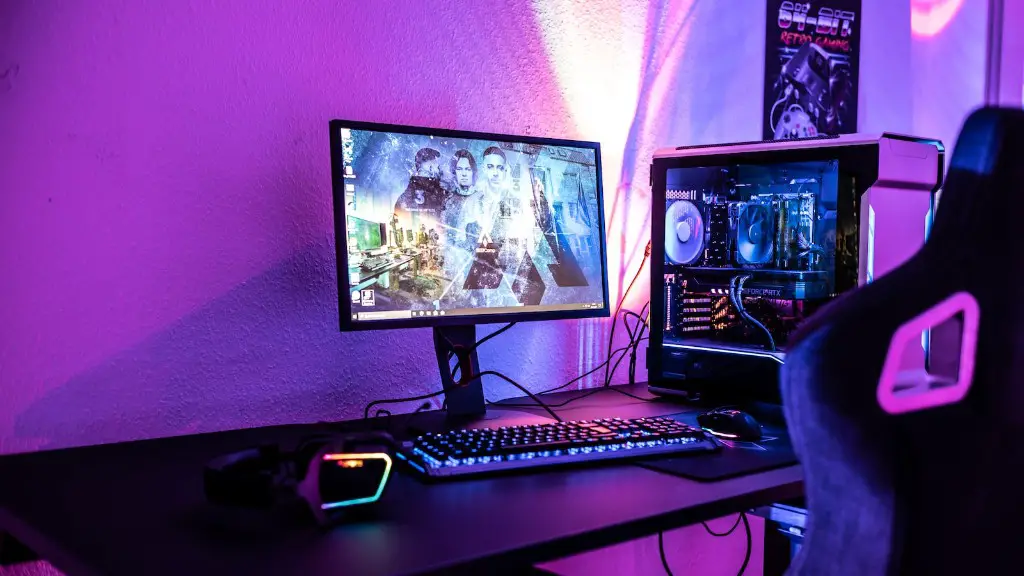
Similarly, indie game developers can benefit from Microsoft’s many programs and tools when creating their titles. Examples of such programs include Visual Studio, a custom-tailored IDE, as well as many other coding-environment editors which are commonly used within the industry.
The downside of Windows 10 for indie gamers and developers can be summarized in its incompatibility with older hardware. Introducing such new features and design principles can prove inefficient on older configurations, failing to live up to expectations or being straight up incompatible. This can become increasingly problematic when accessing popular older indie titles, some of which might remain exclusive to the older hardware.
Windows 8 For Retro Gamers
Retro gamers require an OS which is both compatible and flexible. This is where Windows 8 comes in: it provides developers with access to an immense variety of tools and system emulators as well as an OS which rarely, if ever, fails to perform as expected. Not only are these platforms more reliable, they are also compatible with a wide range of older titles, ensuring retro gamers can game to their heart’s content.
Moreover, Windows 8’s enhanced user experience ensures gamers are consistently provided with retro-style game environments. Despite being graphically less demanding than modern games, they can still provide great visuals, providing a true throwback to the classic FMV games of the 80s and 90s.
The major downside of Windows 8 for retro gamers is its lack of access to newer games. Unfortunately, developers pursuing such ambitions will struggle to find compatibility with recent titles. This can be discouraging for gamers seeking to taste the best of both worlds, as well as for indie developers dreaming of creating the next best retro-style game on modern hardware.
