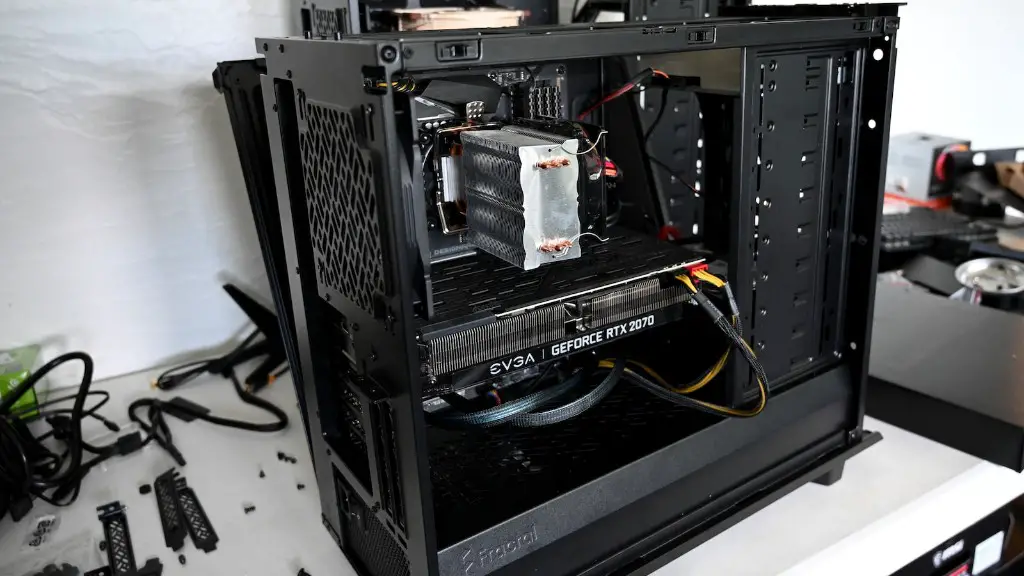
When choosing a power supply (PSU) for a gaming PC, there are many factors to consider. The first is the wattage of the PSU. Most gaming PCs will have components that require around 500-850 watts in order to run efficiently. Make sure the wattage of the PSU is sufficient for the components in the system. The next factor to consider is the quality of the PSU. Lower-end power supplies can be more prone to failure, so it is important to look for a PSU with high-end components and good ratings. Furthermore, the reliability of the brand is also worth considering when purchasing a PSU. Finally, the amount of connectors and the type of connectors should be taken into account. Make sure that all the components will have proper power, and look for a PSU with enough connectors for all the peripherals. Doing so, will ensure that the computer runs efficiently and reliably.
Type of Power Supply
When shopping for a power supply, some of the most common types are ATX, SFX, TFX, and server-grade supplies. ATX is the most common and can be found in most gaming computers. SFX supplies are smaller and have a limited wattage range, so they are typically recommended for mini PC builds, or where space is an issue. TFX power supplies are similar to SFX but have more wattage, making them suitable for mid-range gaming PCs. Server-grade power supplies are very reliable but also more expensive and they come in various wattage ranges.
Modular and Non-Modular Power Supplies
When selecting a power supply, there is a choice between modular and non-modular. Most mid-range gaming PCs will come with a non-modular power supply, while higher-end gaming PCs tend to use a modular supply. Non-modular power supplies have cables that are connected to the power supply itself, and they cannot be removed or replaced. Modular power supplies, on the other hand, allow for the cables to be detached, making the power supply easier to install and manage.
Power Supply Ratings
Before buying a power supply, it is important to check the ratings for the PSU. Components such as the GPU, CPU, and RAM all require stability and a certain level of power to run optimally. The wattage of the PSU needs to be sufficient to support the components in the system. Furthermore, the power supply has to be able to deliver power efficiently and consistently to maintain system stability. To ensure the power supply is sufficient, look at the ratings of the PSU, including the power efficiency rating, power capacity rating, and temperature rating. Higher ratings in each of these areas will contribute to a better overall performance of the system.
Price vs Quality
When selecting a PSU for a gaming PC, there is a tradeoff between price and quality. Cheaper power supplies may be adequate for mid-range PCs, but higher-end gaming PCs require more reliable and quality power supplies. Higher-end PSUs tend to be more expensive than budget ones, but they provide a more reliable and consistent power to the system, helping to avoid unexpected system failure. Therefore, it is important to consider the quality of the power supply when building a gaming PC.
Overclocking Considerations
If the system is going to be overclocked, the power supply needs to be capable of providing enough power to adequately support the components in the system while they are being overclocked. Therefore, the wattage of the PSU should be higher than the components in the system and adequate for the planned overclocking settings. Furthermore, if the system is being overclocked, higher-end power supplies should be considered as they provide consistent and reliable power when the components in the system are set to run at overclocked levels.
Protections and Extras
When selecting a power supply for a gaming PC, consider the features of the PSU. Certain features such as overvoltage protection, surge protection, and temperature protection can help to protect the components in the system from damage. Furthermore, look for additional features that may come with the PSU such as cable management, fan control, or power monitoring software.
Conclusion
When selecting a power supply for a gaming PC, it is important to take into account the wattage requirements of the components in the system, the quality and reliability of the brand, the number of connectors available, the type of power supply, and the additional features that may be included. Doing so will help to ensure that the power supply meets the requirements of the gaming PC and provide optimal performance in the system.