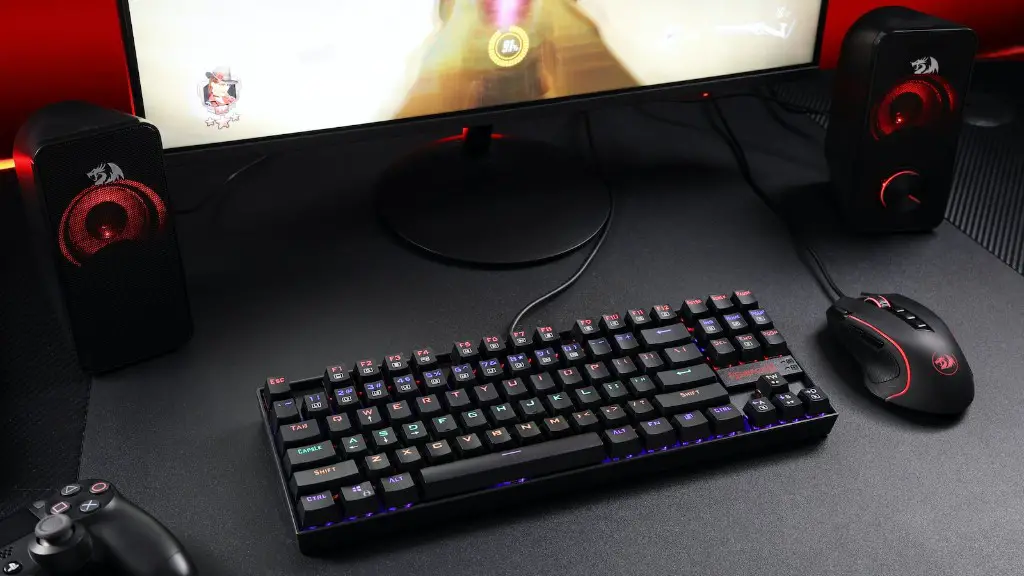
One of the most popular activities for people of all ages is playing video games. The experience is enhanced and made even more enjoyable when the gaming device is a powerful and efficient one like a gaming PC. Playing competitive video games at the highest level requires powerful processing and graphics speed. One can get a competitive edge over their opponents and be better equipped to handle the load of the most demanding games if they have a capable gaming PC.
A custom-built gaming PC is the obvious choice when looking for an optimal gaming experience. The components of a gaming PC can be selected and tailored to suit the individual’s specific needs, giving a great level of control. Buying a pre-built gaming PC is a great option but the system may not be as powerful as the user desires.
Building a gaming PC gives you access to the latest hardware at a much lower cost. The user can choose to build a gaming PC with the latest and greatest hardware components, or they can opt to assemble a gaming PC with more mid-range hardware and still achieve excellent performance. Building a gaming PC allows the user to have a better understanding of the components used, and it also gives the user a better sense of accomplishment.
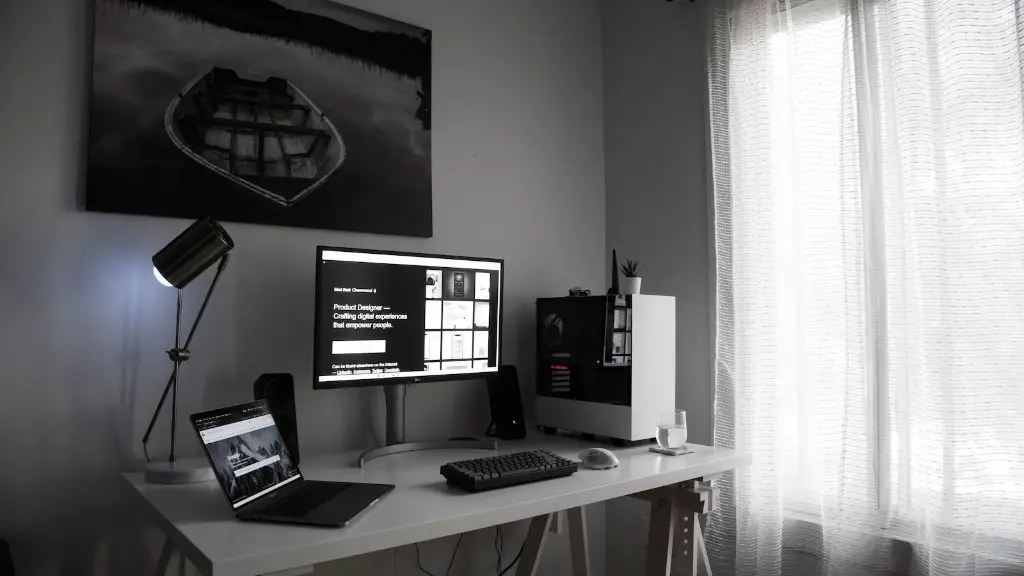
The decision to build a gaming PC should also be based on the user’s budget. Building a gaming PC can be relatively inexpensive if the user chooses wisely and is willing to use used or refurbished parts. It can also be relatively expensive if the user chooses to use the latest and greatest components. Another method is to buy pre-built components like pre-built graphics cards or pre-built CPUs, which can help to reduce the overall cost.
The components that are used to build a gaming PC should be based on the user’s intended use for the machine. Different components are required for different kinds of games and activities. If the user intends to play high-end first-person shooter games, they may need a more powerful graphics card than they would need to run a game like Elasto Mania.
Another factor that should be considered is the form factor of the gaming PC. Some form factors are better suited for certainPC set-ups, such as a mini-ITX build, while others are better suited for more powerful PCs. Additionally, the user should also consider the cooling system that is necessary for the gaming PC; some components require more cooling than others.
Overall, building a gaming PC is a fulfilling experience for the user, as it gives them a great level of control over the components used, the cost of the PC, and the expected performance. Building a gaming PC is a great way to get an optimal gaming experience, and it can provide the user with a great sense of accomplishment.
What Parts Are Necessary to Build a Gaming PC?
When building a gaming PC, the user needs to make sure they have all of the necessary components. The main components required to build a gaming PC are a motherboard, processor, memory, storage, case, power supply, cooling system, and graphics card. All of these components must be compatible with each other, otherwise the gaming PC may not perform as desired.
The motherboard is the base of the gaming PC, and it is responsible for connecting all of the other components in the system, such as the processor, memory, storage, case, and cooling system. The processor is the “brain” of the gaming PC, and it is responsible for executing instructions and running tasks, such as rendering a game. Memory, or RAM, is what stores the instructions and data that the processor needs, and it is important to pick the correct amount and type of RAM for the gaming PC.
Storage is what holds the data, such as the games, and the user should choose a type of storage that meets their needs. The case is what houses all of the components and keeps them cool, and there are a variety of types and sizes of cases that can be chosen from. The power supply provides the gaming PC with the electricity it needs to run and should be chosen with the other components in mind.
The cooling system is what keeps all of the components of the gaming PC running in peak condition and can be relatively simple and inexpensive or quite complex. Lastly, the graphics card is what renders all the images in the game and should be chosen with the game and other components in mind.
What Are the Benefits of Building a Gaming PC?
Building a gaming PC has a number of benefits for the user. Firstly, building a gaming PC can be relatively inexpensive if the user is willing to purchase refurbished parts or used components. This is a great option for those on a tighter budget, as they can still build a powerful gaming PC without spending a fortune. Secondly, building a gaming PC gives the user much more control over the components used and the expected performance of the machine.
The user can tailor the gaming PC to their exact specifications, choosing components that meet their budget and performance criteria. This gives the user the unique ability to select the exact components that they desire. Lastly, the user can gain a better understanding of the components used and their purpose. Building a gaming PC can help develop a better understanding of the inner workings of a PC, which can be useful for troubleshooting any issues that may arise.
Should I Buy Pre-Built Components?
Rather than purchase individual components when building a gaming PC, some users may opt for pre-built components such as graphics cards or pre-built CPUs. Buying pre-built components can help reduce the overall cost of the gaming PC, as these components tend to be cheaper than buying each component separately. Additionally, another advantage of buying pre-built components is that they tend to be compatible with most other components and do not require additional parts.
However, there are some disadvantages of buying pre-built components. Firstly, the components may not be as powerful as desired. Additionally, the user may not have access to the latest and greatest components, as they may only be available individually. Lastly, pre-built components may be limited in terms of overclocking, as they may not be overclocking ready.
What Are Some Tips for Optimizing a Gaming PC?
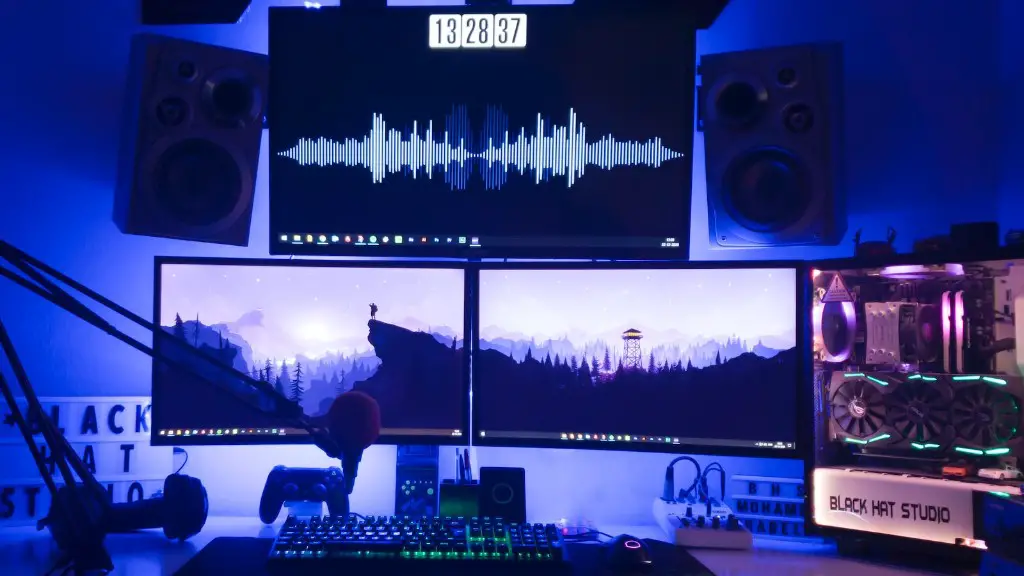
As with any gaming PC, users should take steps to optimize the performance of their device. The first step is to ensure that all of the components are compatible with each other. This is particularly important for the processor, memory, and graphics card. Additionally, the user should ensure that the cooling system is sufficient for the components used. A good cooling system will help ensure that the PC does not overheat during long gaming sessions.
Users should also ensure that their gaming PC has enough storage to accommodate all the games they wish to install. It is important to purchase enough RAM, as having too little can result in performance issues. Lastly, the user should use a reliable power supply to power their gaming PC, as a faulty power supply can result in damage to the components.
What Are the Benefits of an Overclocked Gaming PC?
Overclocking a gaming PC can significantly increase the performance of the machine. By increasing the frequency of the CPU and RAM, the gaming PC can achieve much better performance than the components would be capable of without the overclock. Additionally, overclocking a gaming PC can allow the user to unlock more features and unlock more performance, as some components are capable of performing better with an overclock.
However, there are also some disadvantages to overclocking a gaming PC. Overclocking can increase the power consumption of the PC, as the components are being pushed beyond their intended operating limits. This can result in significantly higher electricity bills. Additionally, overclocking can void the warranties on components, as the manufacturer does not cover this type of modification. Lastly, there is always the risk of components becoming damaged or unstable due to the increased power draw.
How to Choose the Right Components for My Gaming PC?
When choosing components for building a gaming PC, it is important to select the right set of components to ensure optimal performance. When selecting a motherboard, the user may need to make sure that it is compatible with the other components, such as the processor, memory, and graphics card. Additionally, the user should also consider the type of connections they need, such as USB ports and SATA connections.
The processor should be chosen with the games that the user intends to play in mind. Different processors have different capabilities, and the user should choose one that is capable of running the games they wish to play. Additionally, the user should choose memory that is compatible with the motherboard and processor, and the same applies for the graphics card. Lastly, the user should ensure that the power supply is sufficient for the components used.